
 Get Guardian on Google
Political freedom across Africa improved in 2026, with the continent’s overall score rising from 47 in 2025 to 52.8, although significant setbacks in judicial independence and freedom of expression persist in some countries, a new report has revealed.
The 2026 Freedom in Africa (F(in)AR) Index, which measures the state of freedom and prosperity across the continent, also found improvements in electoral processes, press freedom and freedom of assembly, pointing to a gradual expansion of political liberty in several African countries.
However, the report noted that the gains were uneven, with countries including Chad, Burundi, Cameroon, Egypt and Equatorial Guinea recording setbacks in some indicators of political freedom.
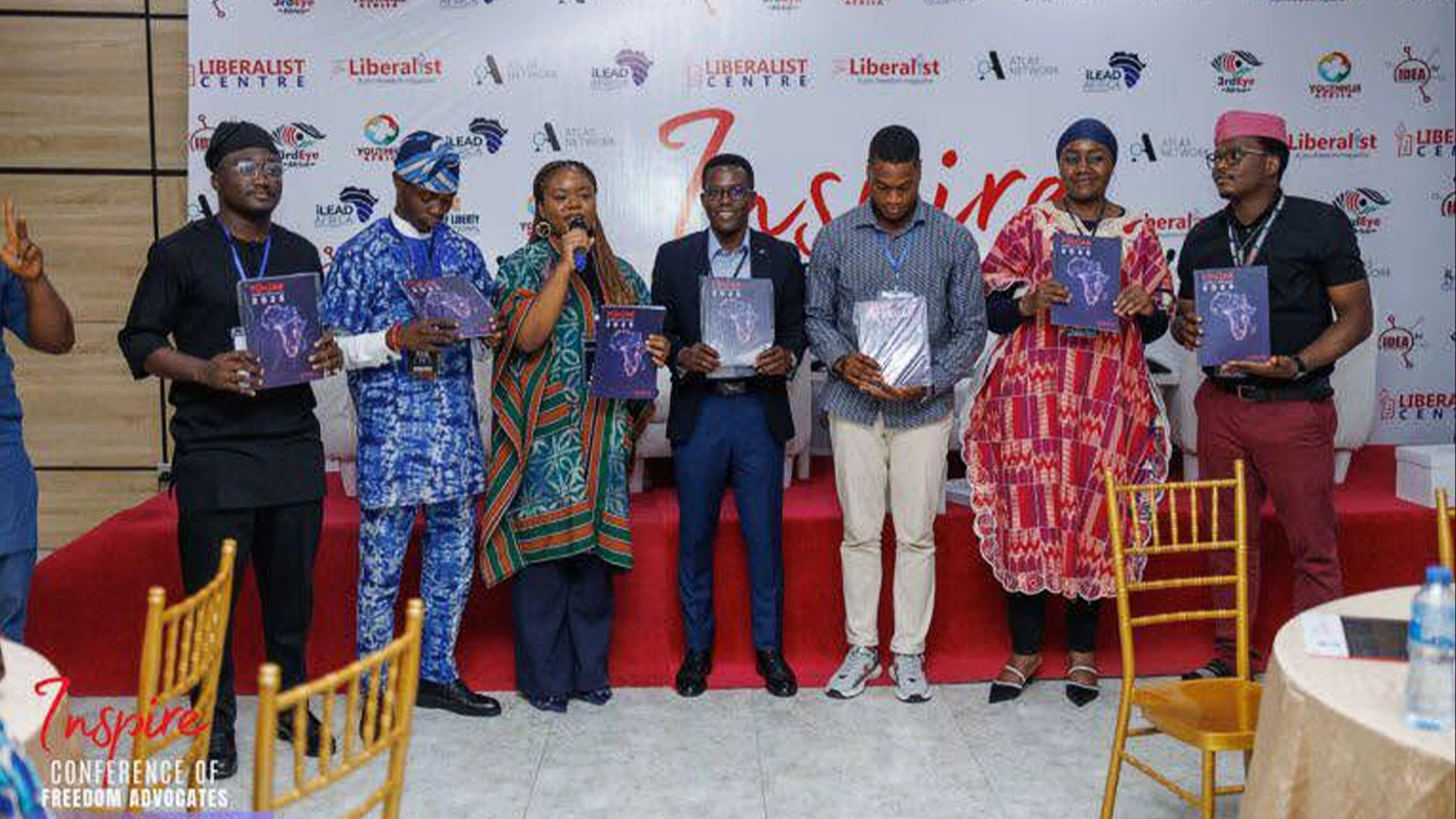
The index, an initiative of the Liberalist Centre, a policy and research think tank dedicated to advancing liberty and prosperity across Africa, was unveiled at the Conference of Freedom Advocates (CFA) in Abuja. The 2026 edition is the second publication of the report.
F(in)AR 2026 examines three interconnected areas: political freedom, economic freedom and prosperity. It assesses the conditions under which people exercise their rights, participate in society, pursue economic opportunities and improve their quality of life.
The report relies entirely on secondary data, drawing from international and African datasets, indexes and statistical sources rather than conducting independent surveys or collecting information directly from countries.

On political freedom, the index considers election integrity, freedom of speech, press freedom, freedom of assembly, judicial independence, and protection from oppression and torture.
Its findings showed that election integrity improved across the continent, with the average score rising to 5.2 out of 10 in 2026 from four points in the previous year.
Ghana recorded one of the strongest improvements, moving from 6.8 to 9.5, while Morocco rose from 2.9 to 7.9 and Côte d’Ivoire from 1.8 to 6.0. These countries emerged among the strongest performers in the election integrity assessment. However, Somalia and Libya continued to record declines.
The report also highlighted growing differences in freedom of speech across African countries, with some making progress in creating a more open environment for public expression while others continued to impose restrictions.
The Gambia’s score rose from 5.8 to 8.7, reflecting improvements in its media environment, including reduced self-censorship among journalists. In contrast, Gabon’s suspension of access to major social media platforms was identified as a setback to citizens’ freedom of expression.
Press freedom recorded an average score of 6.4 out of 10. Despite the relatively strong performance, the report noted that journalists across the continent continued to face political, legal and economic pressures.
Citing findings by Reporters Without Borders (RSF), it noted that journalists still face verbal attacks, despite the presence of a strong investigative media culture.
Freedom of assembly recorded an average of 5.8 out of 10, with Nigeria among the countries that made significant improvements. Madagascar and Lesotho also recorded gains, although restrictions on public demonstrations remained a challenge in some countries.
Judicial independence, however, remained one of the weakest areas of political freedom across the continent, with an average score of 4.0 out of 10.
Seychelles recorded the strongest improvement, with its score rising from 9.0 to 9.9. The Gambia moved from 7.0 to 8.1, while Benin improved from 4.9 to 7.8.
Nigeria recorded a sharp decline in the same indicator, with its score falling from 6.1 to 2.9, highlighting the uneven performance of countries across the continent.
According to the index, Seychelles, Cape Verde, Ghana, Mauritius, South Africa, São Tomé and Príncipe, The Gambia, Namibia, Botswana and Lesotho ranked among the 10 best-performing countries in political freedom.
At the other end of the ranking, Sudan, Chad, Libya, Rwanda, Burundi, South Sudan, Eswatini, Egypt, Equatorial Guinea and Eritrea were listed among the 10 least-performing countries.
Overall, the 2026 index pointed to an improvement in political freedom across Africa, but its findings showed that progress in electoral processes and other civil liberties had not been matched by similar gains in all areas, particularly judicial independence and the protection of freedom of expression.