
 Get Guardian on Google
Africa processed 71.4 billion instant payment transactions worth $1.8 trillion in 2025, nearly three times the 2021 figure, according to a new report by AfricaNenda Foundation.
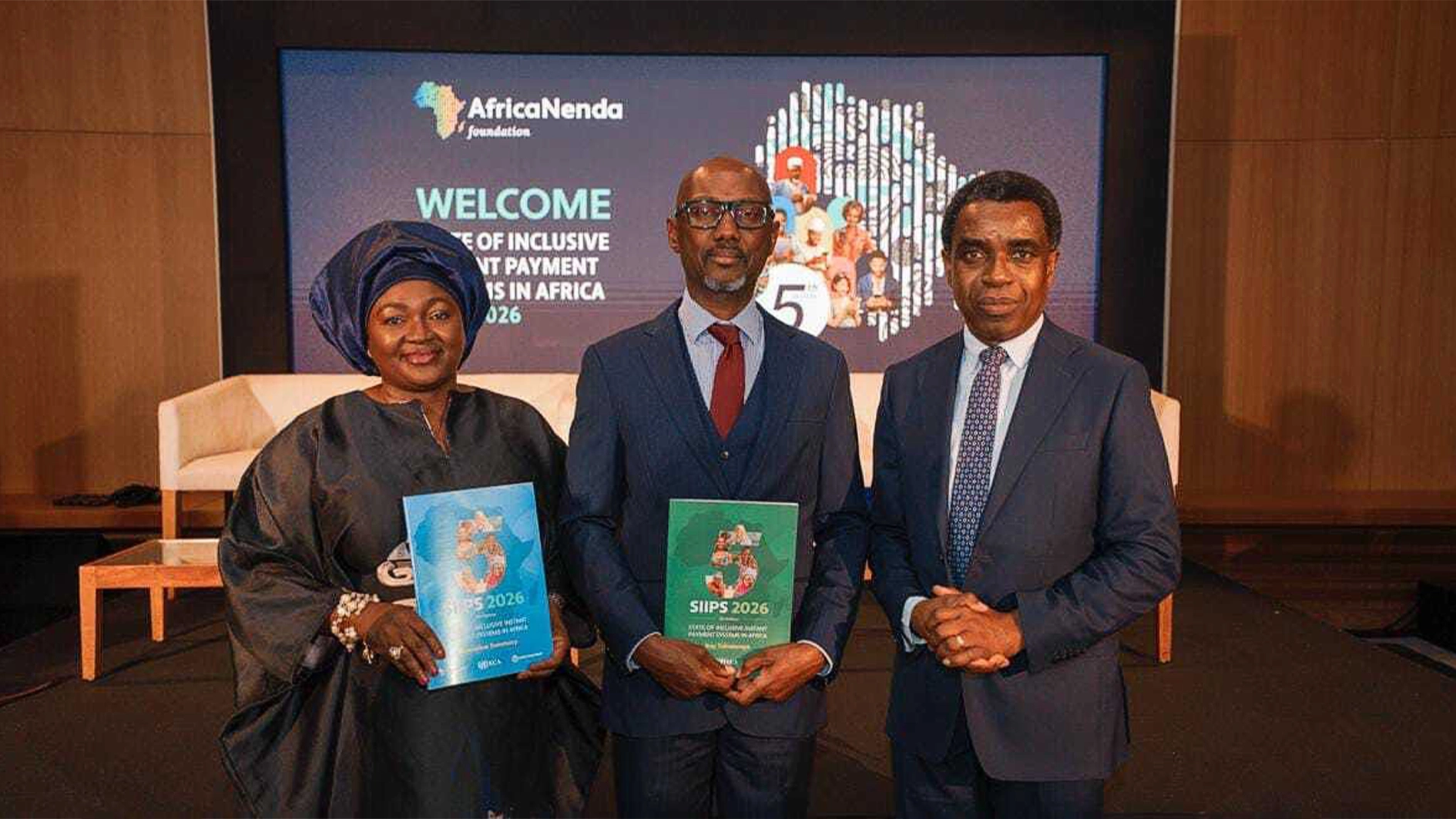
The State of Inclusive Instant Payment Systems in Africa (SIIPS) 2026 report, published on Thursday in partnership with the United Nations Economic Commission for Africa and the World Bank Group, said 89 per cent of African adults live in countries with access to instant payment systems.
However, the report warned that low trust, payment failures and poor complaint handling continue to discourage many people from using digital payments.
A survey of 1,403 digital payment users across 15 African markets found that 55 per cent still use cash for about half of their transactions.
It also found that more than half of respondents had experienced payment problems, including delays and transfers to wrong recipients. However, one in three of those affected never reported the problems, mainly because they did not know how to do so.
Sabine F. Mensah, Deputy Chief Executive Officer of AfricaNenda Foundation and lead author of the report, said the challenge had shifted from providing access to building public trust.
“ It is no longer whether Africans can pay instantly, but whether they trust the system enough to stop reaching for cash,” she said.
Mensah said instant payment confirmation, recipient verification and quick refunds were essential to building confidence in digital payments.
The report found that Africa now has 39 live instant payment systems, comprising 35 domestic systems in 29 countries and four regional systems.
Four domestic systems were introduced in Liberia, Burundi, Guinea and Mauritania in the past year, while a new regional system serves eight West African Economic and Monetary Union countries.
Another 17 countries have instant payment projects underway.
Transaction volumes have grown by an average of 28 per cent annually since 2021, while the average transaction value fell from $45 to $26, showing increased use for everyday purchases.
Mobile money accounts for 73 per cent of all instant payment transactions.
The report also found that 43 per cent of users who lost money through digital payments reduced their use of the services, while those who received refunds were more likely to continue using them.
It noted that payment service providers were adopting artificial intelligence to fight fraud faster than instant payment system operators, while many users remained concerned about AI-related risks, including deepfakes.
AfricaNenda Chief Executive Officer, Dr Robert Ochola, said the next phase of growth must focus on making instant payment systems affordable, safe and sustainable.
He said Africa had made significant progress in building digital payment infrastructure but needed to strengthen public confidence to encourage wider use.