 Follow Us on Google News


 Follow Us on Google Discover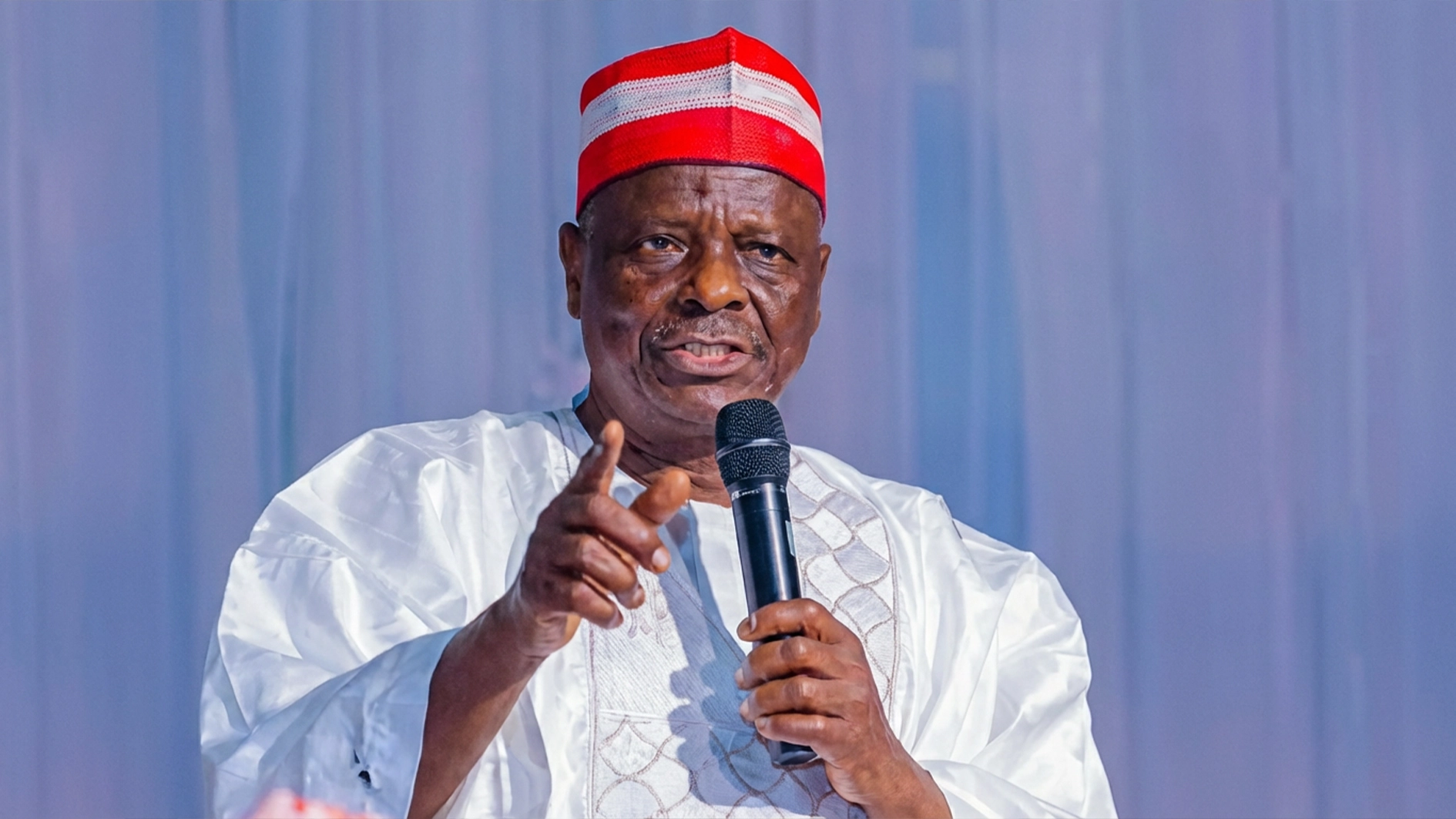
Whenever political discussions arise in Kano, especially those involving political separation or defection from Senator Rabiu Musa Kwankwaso, one word is frequently invoked is betrayal.
According to Kwankwaso, anyone who leaves his political camp, regardless of the reason, is guilty of betrayal, and such people, he insists, never succeed politically.
This claim has been repeated so often that it has gradually taken on the status of a political belief among his followers. Yet politics does not operate on sentiment or belief alone. It is driven by history, evidence, and outcomes.
This makes it necessary to ask an important question: is this claim true? And before answering that, an even more fundamental question must be addressed, what does success really mean in Nigerian politics?
What Does Political Success Mean in Nigeria?
In Nigerian politics, particularly in Kano, the meaning of success is straightforward. Success means:
• winning an elective office,
• securing a political appointment,
• or gaining access to power and influence.
These are the tools that enable politicians to serve themselves, their communities, and their supporters. Any definition of success that excludes these realities is either an attempt to mislead followers or to bind them with false ideals.
Ironically, Kwankwaso himself affirmed this reality in 2018 when he defected from the APC to the PDP. At the time, he repeatedly complained that he and his loyalists had worked hard to build the APC and win the 2015 elections, yet after the government was formed, they were sidelined and denied political appointments and relevance.

That grievance alone confirms a basic truth of Nigerian politics: political reward matters, and it is received in this world, not the next.
More recently, during speculations about Governor Abba Kabir Yusuf possibly joining the APC, Kwankwaso was quoted as saying that before the governor and his supporters crossed over, they must give them their material reward for the work they’ve done to get the Governor in office.
This again reinforces the point that, even in Kwankwaso’s own thinking, political reward is the basis for political participation.
Kwankwaso and Ganduje: Measuring Success After the Split
The most relevant example in this discussion is Abdullahi Umar Ganduje, widely regarded as the most prominent figure to have parted ways with Kwankwaso.
After their political separation:
• Ganduje contested the 2019 Kano governorship election.
• Publicly, many believe, myself inclusive that the PDP candidate, Engr. Abba Kabir Yusuf, won the polls.
• However, the election was declared inconclusive, supplementary polls were conducted, and the familiar realities of Nigerian politics played out.
• In the end, Ganduje was declared winner, sworn in, and he successfully defended his victory in court.
• He completed his term in office.
Regardless of how one judges the process, by the practical and realistic standards of Nigerian politics, this was a clear political success.
Whether the process was morally right or wrong is a separate debate, history records outcomes, not intentions. If any of this were to be regarded as victory for any other person apart from Ganduje, it would be the popular Abba Gida Gida not Kwankwaso who millions believed his mandate was stolen, snatched and robbed and this feeling of sympathy and many other factors played keys role in his emergence in 2023.
Kwankwaso After Leaving APC: Can This Be Called Success?
On his part, Kwankwaso joined the PDP after leaving the APC and entered the party’s presidential primaries in Port Harcourt. At that contest:
• Wallahil Azim Kwankwaso secured 158 votes.
• The eventual winner, Atiku Abubakar, secured 1,532 votes.
The question is simple: by what political standard can this be described as success? Yet, Kwankwaso has after the primaries in many instances described that experience as a form of victory.
Supporters on Both Sides: Who Benefited?
Looking beyond the leaders to their followers makes the picture even clearer.
After the split:
• In 2019, apart from PDP victories in the Kano State House of Assembly, Kwankwaso’s faction failed to win a single federal legislative seat.
• All National Assembly members who followed Kwankwaso into the PDP entered a period of political stagnation.
• Before the 2023 elections, most of them returned to Ganduje’s political camp.
In contrast, those who aligned with Ganduje achieved measurable political advancement:
• One became Deputy Senate President.
• Others rose from state assembly leadership positions to the National Assembly.
• Some are now among the longest-serving and most influential legislators.
Beyond individual careers, the split also created opportunities for new political actors:
• Several local government chairmen, many of them young politicians from urban Kano, emerged during this period.
• In Bichi, the defection of Ahmed Garba Bichi from the APC in 2018 paved the way for Abba Bichi’s election to the National Assembly.
In Bichi to be specific it is virtually impossible to suggest that leaving Kwankwaso means zero political success because it was leaving Kwankwaso that paved way for Abba Bichi who by all account is a blessing to Bichi, remarkable development and progress he has brought to his hometown.
One might also argue that Kwankwaso wrestled power from Ganduje in 2023 which saw the emergence of the current Kano State Governor, Alhaji Abba Kabir Yusuf.
Oh yes he did and you can not take that away but remember in the same year he contested for presential election and got 1.4m votes nationally with both super contenders Alhaji Atiku garnering close to 7m votes, Peter Obi 6m and the winner and the sitting President, Asiwaju Bola Ahmed Tinubu got 8.7m votes.
Whether this is success or not is not of importance here, what should be asked now is, it rational to classify the much talked about purported defection of Governor Abba as betrayal to Kwankwaso? And as Kwankwaso continue to say leaving him is betrayal, wouldn’t the rational thing to do ask himself with all sincerity, why did Ganduje leave? Why did others, some of whom were both political associates and childhood friends leave? Why is Abba leaving?
When the language of “betrayal” is used carelessly in politics, it becomes a tool for emotional control rather than historical truth. The political reality of Kano shows clearly that success is not tied permanently to any one individual, nor is it lost simply because someone chooses a different political path.
In the end, politics does not ask who you left behind. It asks what you achieved after you moved on.
Muhammed Shuiab is a Public Analysist

