 Follow Us on Google News
 Follow Us on Google Discover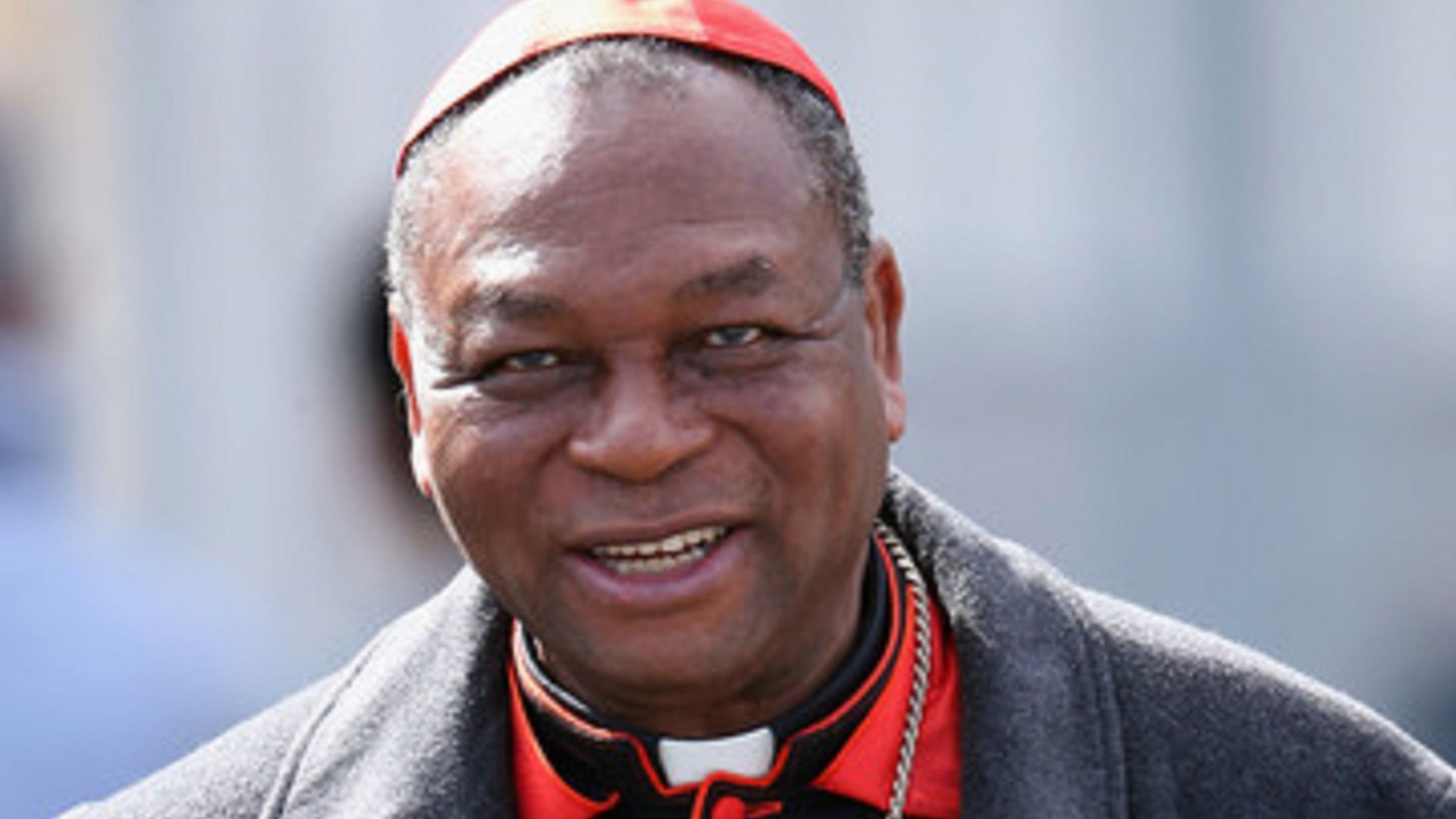
By Ojo Emmanuel Ademola
The recent debate surrounding Cardinal John Onaiyekan’s public reflections on a meeting between Catholic bishops and President Bola Tinubu provides a timely opportunity to examine a broader and more enduring question: how should influential leaders handle privileged engagement in the digital age?
The issue is not simply about politics, religion, or personalities. It is fundamentally about leadership ethics, responsible communication, institutional trust, and the stewardship of access in an era where every conversation can instantly become public content.
The transformation of influence in the digital age
The digital age has radically transformed the nature of influence. Access to power was once limited to physical meetings, private correspondence, and carefully managed press statements. Today, access carries a secondary dimension: the ability to shape public perception through television interviews, online publications, social media platforms, podcasts, and digital archives.
Consequently, the value of a meeting is no longer determined solely by what occurs within the room. Its significance is also determined by how participants communicate about it afterwards.
This transformation means that leaders must now operate with dual consciousness. They must be attentive not only to the immediate dynamics of dialogue but also to the afterlife of their words in the digital sphere. A remark made in confidence can be reframed, replayed, and reinterpreted endlessly. The digital environment has created a permanent memory for society, where every utterance becomes part of a growing historical archive.

Democratic engagement and its responsibilities
The meeting between the Catholic bishops and President Tinubu was a legitimate democratic engagement. Religious leaders, civil society actors, professional groups, and community organisations possess both the right and the responsibility to present concerns to government. Equally, elected leaders have an obligation to listen, respond, and explain their decisions. Such engagements are healthy features of democratic governance and should be encouraged.
However, the digital age demands a higher standard of discipline. When influential participants leave a confidential or privileged meeting and immediately provide individual interpretations to the media, attention can shift away from substantive issues toward competing narratives. Public discourse then becomes focused less on solutions and more on personalities. Trust, which should have been strengthened through engagement, risks erosion through selective communication.
Privileged access and public value
A central lesson for contemporary leaders is that privileged access should produce public value rather than public spectacle. The greatest achievement of a strategic meeting is not media visibility but measurable progress. Modern societies face complex challenges involving economics, security, education, technology, health, and social cohesion. Such problems require collaborative thinking. Leaders who gain access to decision-makers should therefore focus on outcomes, recommendations, and implementation rather than post-meeting publicity.
The digital environment rewards visibility. Unfortunately, visibility is often mistaken for impact.
Viral commentary may generate attention for a few days, but sustained value emerges from constructive engagement, strategic follow-up, and institutional cooperation. This distinction is increasingly important because digital platforms preserve words indefinitely. Responsible leaders must therefore communicate with long-term consequences in mind.
Confidentiality as an enabler of dialogue
Another important lesson concerns confidentiality. Confidentiality does not imply secrecy or a lack of accountability. Rather, it creates a secure space where participants can speak candidly, test difficult ideas, and explore solutions without fear that every remark will immediately become a headline.
Effective governance, whether in government, business, academia, or religious institutions, depends upon such environments of trust.
In the digital age, confidentiality should not be regarded as an obstacle to transparency. Instead, it should be viewed as an enabler of meaningful dialogue. Transparency is best achieved through agreed communiqués, official summaries, documented resolutions, and measurable outcomes. When participants communicate from a shared position, the public receives clarity rather than confusion. Confidence in institutions is strengthened rather than weakened.
Evidence-based engagement and intellectual humility
The Onaiyekan-Tinubu example also underscores the importance of evidence-based engagement. Opinions remain valuable, but data strengthens credibility. Modern leadership should combine moral conviction with factual analysis. Whether discussing economic conditions, education reforms, security developments, or social welfare, stakeholders should strive to support their arguments with verifiable evidence. The future belongs to leaders who can unite values with information and wisdom with data.
An equally significant issue involves the concept of truth. In contemporary public discourse, many individuals assume that only critics possess truth while decision-makers merely resist it. Such assumptions oversimplify reality.
Digital-era leadership requires an appreciation that information flows through multiple channels. Governments receive intelligence reports, economic assessments, security briefings, academic research, public surveys, and stakeholder feedback.
Religious leaders, community groups, businesses, and citizens also contribute valuable perspectives. No single constituency possesses a monopoly on truth.
Consequently, mature leadership demands intellectual humility. The most effective engagements occur when participants recognise that each stakeholder sees only part of a larger picture. The purpose of dialogue, therefore, is not to establish superiority but to enhance collective understanding. This approach creates a culture of problem-solving rather than confrontation.
Influence and responsibility
The digital age also introduces a new principle: influence must be accompanied by responsibility. Every public figure, whether a cleric, politician, scholar, journalist, activist, or corporate executive, now possesses unprecedented capacity to shape public opinion. Such influence should be exercised carefully.
Responsible communication asks three essential questions: Does this statement increase understanding? Does it strengthen trust? Does it contribute to solutions? If the answer is negative, silence may be more valuable than commentary.
Furthermore, organisations must develop communication frameworks capable of preventing narrative fragmentation. Sensitive meetings should ideally produce agreed records, joint statements, or coordinated summaries. These mechanisms protect institutional dignity while ensuring public accountability. They minimise misunderstanding and discourage competing versions of events. Most importantly, they refocus attention on substantive outcomes.
Historical responsibility and future lessons
Digital transformation has created a permanent memory for society. Every interview, article, post, and broadcast contributes to a growing historical archive. Future researchers, policymakers, journalists, and citizens will review today’s communications to understand the decisions of our era. Leaders must therefore think beyond immediate reactions and consider their contribution to historical understanding.
The broader lesson from the public discussion around the bishops’ meeting is that leadership in the 21st century requires a balance between openness and discretion. Excessive secrecy undermines trust, but unchecked disclosure can also damage relationships and institutions. Wise leaders understand where that balance lies. They recognise that influence is not validated by constant public commentary but by the ability to generate measurable societal value.
From noise to wisdom
Ultimately, the most important question is not who won an argument following a meeting. The more important question is whether the meeting created pathways for national improvement. Digital society does not need more noise. It needs more wisdom. It requires leaders capable of converting access into action, criticism into collaboration, and dialogue into transformation.
As the world becomes increasingly interconnected, the responsibility attached to privileged access will continue to grow. The exemplary standard for future engagements should be simple: meet with honesty, deliberate with maturity, communicate with responsibility, preserve trust where necessary, share outcomes where appropriate.
Above all, ensure that every engagement leaves behind greater value than visibility. That is the true measure of leadership in the digital age.
In the end, leadership is not judged by the noise it generates but by the legacy it leaves. The digital era demands leaders who can rise above spectacle and embrace substance, who understand that the true currency of influence is trust, and who recognise that every privileged conversation is an opportunity to build bridges rather than walls.
If leaders can uphold these principles, they will not only safeguard the dignity of institutions but also inspire societies to move forward with confidence, clarity, and collective purpose.
Ademola is First African Professor of Cybersecurity and Information Technology Management.

