 Follow Us on Google News
 Follow Us on Google Discover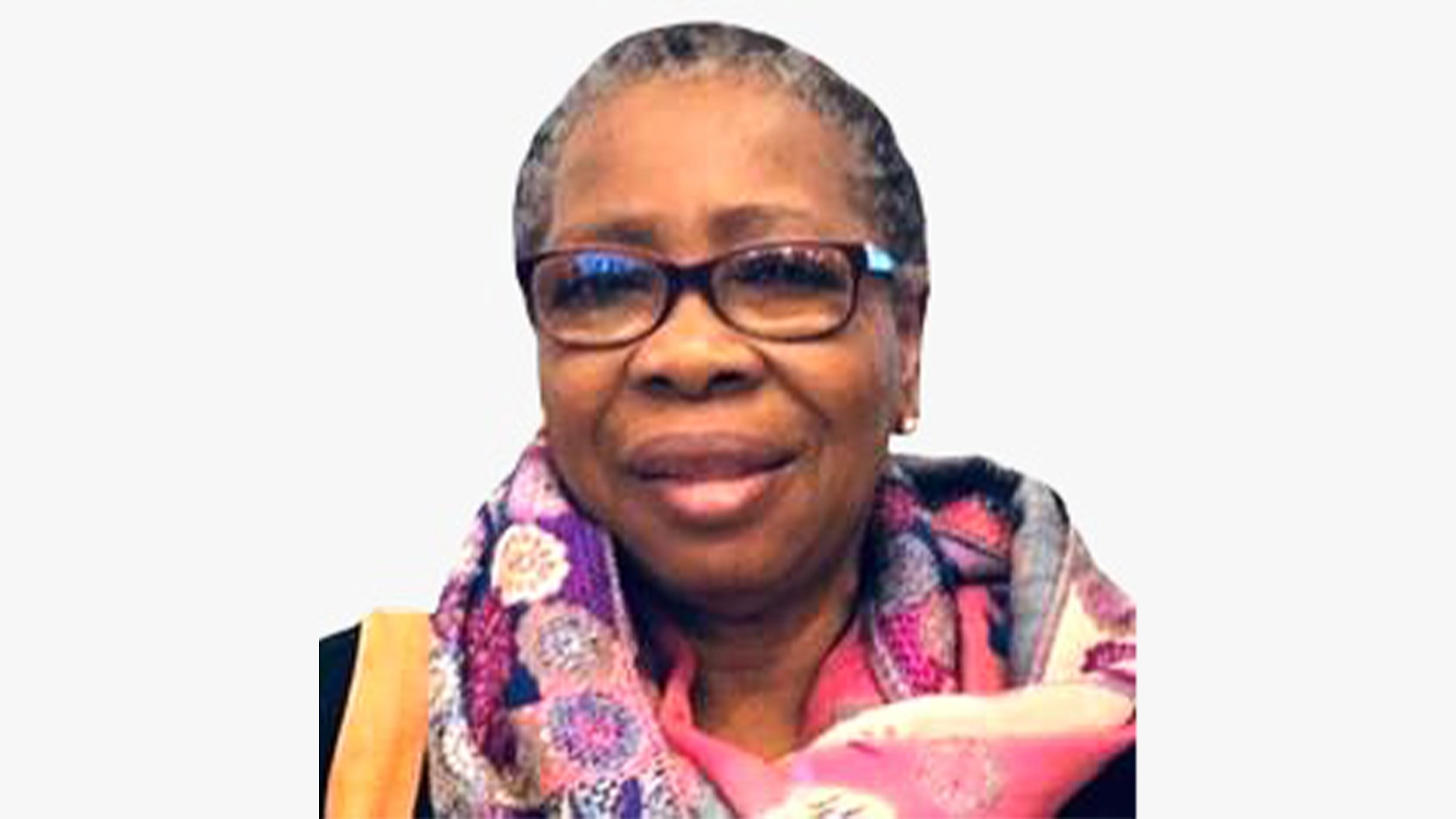
By Dr Ayotunde Adegboyega
Sir: When I received the news of Dr Toyin Salawu’s passing, I was completely devastated. What made it even more difficult to accept was that I had planned to call her during the weekend to see how she was doing. Although I knew she had been facing significant health challenges over the last few years, I never imagined that everything would come to finality so soon. I am still trying to come to terms with her passing.
Salawu was my boss for eight of my 11 years at the Federal Ministry of Health, Lagos, from 1992 to 2000. Looking back today, I can say without hesitation that those were among the most rewarding and formative years of my public service career.
Before she became my Head of Unit through a departmental reorganisation, I used to see her around our office at Onikan. She was very quiet and reserved and, I must confess, I had formed an impression of her from a distance. Once I began working closely with her, I quickly realised that you do not judge a book by its cover.
Behind that quiet and unassuming personality was an intelligent, disciplined and principled woman. She was deeply committed to improving the health of Nigerians, unwavering in her Christian faith, and uncompromising when it came to professional and financial accountability.
Whether the issue involved maintaining professional standards or ensuring that public funds were properly accounted for, Salawu always stood firmly on the side of what was right. She neither sought popularity nor avoided difficult decisions. It was therefore no surprise that she earned the confidence and respect of colleagues, development partners, and public health professionals and paediatricians who had the privilege of working with her across the country.

I had the privilege of serving as her assistant in the National Control of Diarrhoeal Diseases Programme and later during the implementation of the Integrated Management of Childhood Illness (IMCI) strategy. Working with her was demanding but immensely rewarding. Together with our development partners, we contributed to strengthening child survival programmes across Nigeria through policy development, health worker training, supervision and programme support. Those years gave me an invaluable foundation in public health practice and remain some of my fondest memories of public service.
One of Salawu’s greatest gifts was her ability to recognise potential in people and quietly encourage them to develop it.
At that stage of my public health career, I had many interests and ambitions. Like many professionals living in Lagos at the time, I was trying to balance my civil service responsibilities with several business interests. There was a popular joke in those days that the Structural Adjustment Programme (SAP) had forced doctors to “adjust” by venturing into business. I was no exception.
Salawu recognised my abilities and entrusted me with important responsibilities, but she consistently encouraged me to devote more of my time and energy to building my professional career. She believed I could make a greater contribution to public health if I remained focused.
Following her encouragement, I pursued a master’s degree in public health and became much more deliberate about my professional development. Looking back today, I remain deeply grateful for her wisdom and encouragement. The education I received, together with the invaluable experience of working under her leadership and, above all, God’s grace, laid a strong foundation for the opportunities that later came my way, including the privilege of serving the World Health Organisation for 22 years.
Her desire to see people succeed extended well beyond me. I remember that our secretary at the time had only a secondary school certificate. Salawu persistently encouraged her to continue her education through part-time study. She eventually obtained a university degree, later earned a master’s degree and went on to build a successful professional career. Nothing gave Salawu greater satisfaction than seeing people grow and fulfil their potential.
Another quality I will always remember was her integrity. She insisted that every kobo of unspent government funds allocated for programme activities be returned to the Ministry’s Accounts Department. There were no shortcuts, no excuses and no compromises. She taught us that public service was a trust, and that trust had to be honoured.
Although she was officially my supervisor, over the years our relationship evolved beyond that of a boss and her subordinate. She became a sister and a friend. Even after my work with the World Health Organisation took me out of Nigeria, we remained in touch. Whenever I came home on annual leave, my wife and I made it a point to visit her.
Every visit and every conversation reminded me of the warmth, honesty and genuine concern for others that defined her.
Salawu never sought recognition for herself. She simply devoted her life to serving God, serving her country and helping others become the very best they could be. She leaves behind a legacy that lives on in the many lives she touched through her guidance, encouragement and example. I count it a great privilege to have been one of them.
To Salawu’s family and everyone who loved and cared for her, I extend my deepest and most heartfelt condolences. I know how close you all were and how much she meant to each of you. The love, care and unwavering support you surrounded her with throughout her life, and particularly during her illness, undoubtedly brought her comfort, strength and peace
Thank you, Salawu, for believing in me, for your wise counsel, your friendship, your integrity and, above all, for the quiet example you set every single day. Your life reminds us that true leadership is not about titles or recognition, but about character, service and the lives we touch.
I will always thank God that our paths crossed.
Dr Ayotunde Adegboyega was a former assistant and friend to the deceased.

