
 Get Guardian on Google
By Wealth Dickson Ominabo
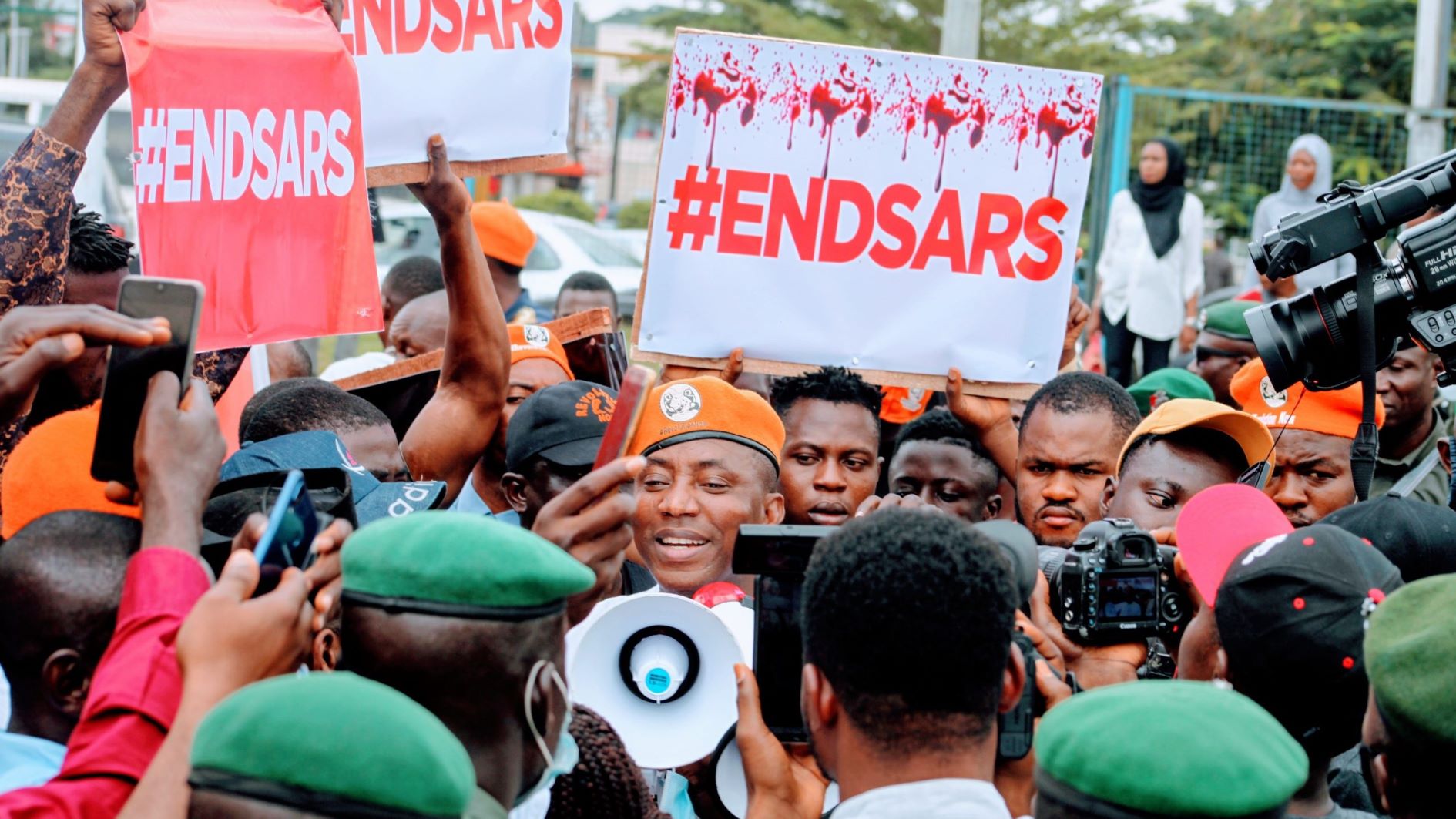
Sir: Six years after the EndSARS protests ended, the young Nigerians who marched across most of the country are still waiting for answers. Their complaints about injustice, state brutality, and the structural violence of the Nigerian state and its elite remain largely unaddressed.
Some things changed on paper. SARS was dissolved within days, and panels of inquiry sat in several states. But protesters distrusted the replacement units from the start, and the panels have given Nigerians little they can point to.
Nigeria goes back to the polls in a few months. EndSARS deserves a place in the national conversation because it was never a mere protest. It was a movement against systemic bad governance and the sustained political injustice citizens have lived under. It asked those in power to take responsibility and to remove the barriers that make justice so hard to reach.
Six years after, the country has moved on; there is no justice for the bereaved, none for society, none for the citizen. The issues that produced EndSARS have not been addressed. The salient questions about state violence remain unanswered. By most accounts, it has grown.
Recently, over 30 artisanal miners died in the custody of the Nigeria Security and Civil Defence Corps (NSCDC) in Niger State. In April 2024, a police officer in Delta State shot a handcuffed suspect in public with live rounds after the man was intercepted with an illegal firearm, a suspect who had admitted wrongdoing and begged to cooperate with the officers in their investigation. Some officers do their work decently. The trouble is a system in which those who abuse power rarely face consequences, and citizens approach the security forces with mistrust and fear.

EndSARS was never only about the police. The death of a young Nigerian was the spark, not the cause. What boiled over was years of frustration with leaders grown comfortable with corruption and deaf to the people; it was a warning that the rights of the masses could not keep being disregarded. Some of that energy went into voter registration and the 2023 campaigns, with mixed results. The rest seems to have gone quiet.
Panels of inquiry did sit, and in Lagos they heard testimony that ought to have changed things. What followed was an argument over what to call Lekki, not over who answers for it. Human rights abuses keep rising. Politicians have grown bolder and defiant. In some states, the police, in cahoots with state power, move to suppress citizens who dare to challenge the excesses of public officials. Lekki Toll Gate is treated as a place where no assembly is allowed, and people have been arrested for marking a defining national moment.
For many Nigerian youths, EndSARS was the greatest moment of civic action they had known. It was the most organic movement in recent memory. A moment of national reawakening, shared courage, resilience, and collective action.
EndSARS birthed a spirit in the hearts and minds of the Nigerian youth. Though that spirit was tested when the security forces fired live ammunition at the youth on October 20, 2020, it will continue to be a watershed moment in our national life, shaping our political and social culture.
As we remember EndSARS, we remember that citizens were shot while holding the national flag and singing the national anthem. We remember that some citizens went missing, some remain in exile, and others are no longer with us.
Justice, truth, and hope are guardrails for building a peaceful and inclusive nation. Nigerian youths are still hopeful for justice and the truth about EndSARS. They are still asking for the end to state violence and bad governance.
The lesson of EndSARS remains urgent as Nigeria prepares for another election. The political class must rebuild the breakdown of power relations, address the crisis of trust between citizens and government, and close the distance between political promises and lived reality that led to the protest. Before asking Nigerians to place their faith in the ballot once again, the political class must confront these unanswered questions of accountability and justice and structural violence against the citizens.
History shows that unresolved injustices resurface in a nation’s politics, shape public trust, and deepen the distance between citizens and the state.
EndSARS was a national reawakening, not a fit of rage. The message of the moment should not be forgotten. The protests were not simply a rejection of police brutality; they were a rejection of a style of governance that treated citizens as subjects rather than stakeholders.
Those problems still confront the people today, and like Banquo’s ghost at Macbeth’s feast, EndSARS still sits at the table. Lord Alfred Tennyson in Ulysses reminds us that “it is never too late to seek a newer world.” A new Nigeria cannot be built on amnesia or avoidance. It begins with truth, accountability, and an honest reckoning with October 2020 before we cast another ballot and make another set of promises.
Wealth Dickson Ominabo, a media professional and a researcher, can be reached via X: @WealthDickson.