 Follow Us on Google News
 Follow Us on Google Discover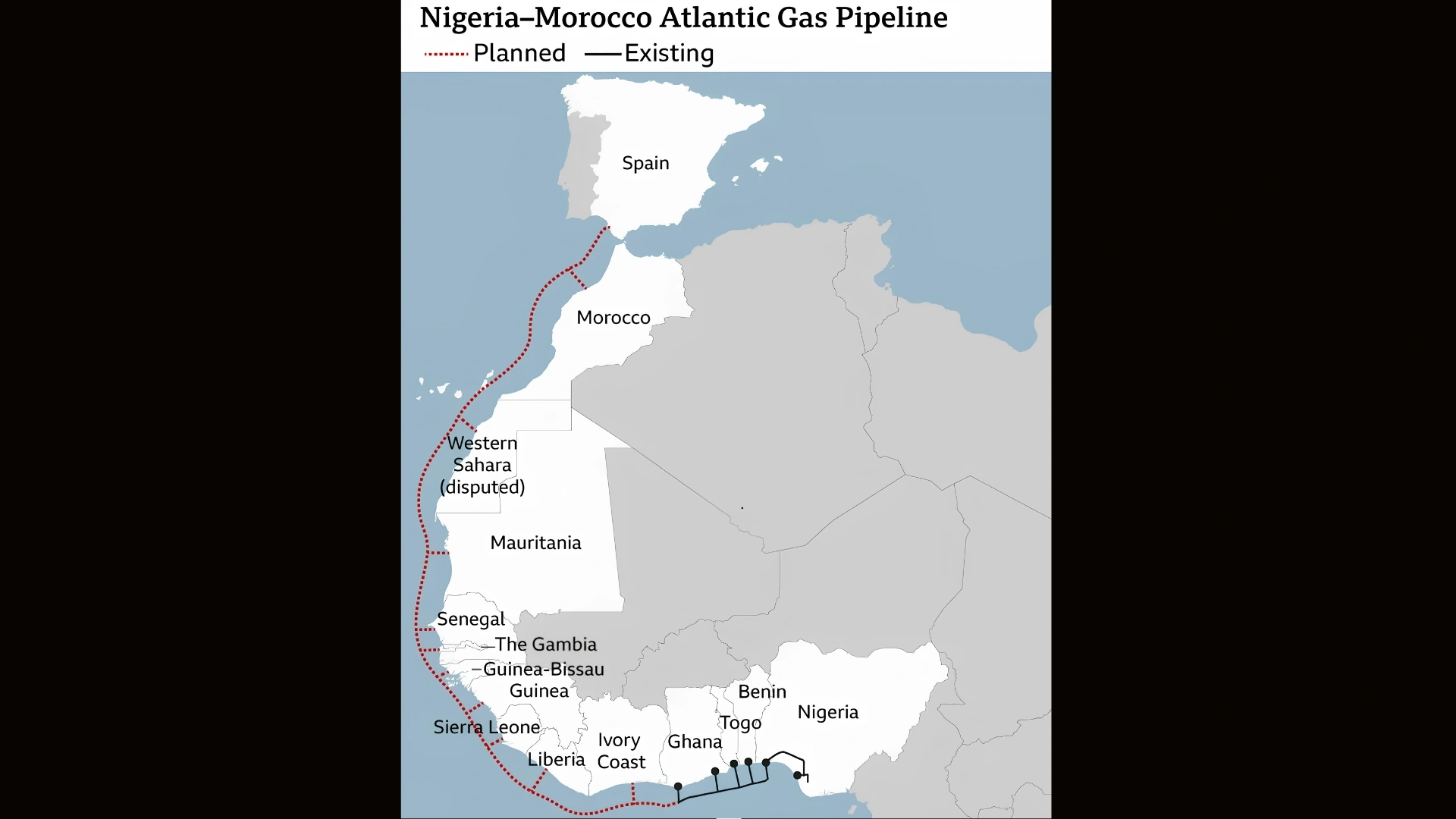
The $25 billion Nigeria-Morocco Atlantic Gas Pipeline is not just another energy project
It is a defining test of Africa’s industrial ambition. For decades, Africa has exported raw resources while importing equipment, expertise, financing, and technology. Mega infrastructure projects have often created jobs and wealth, but too much of the value has accrued outside the continent.
This project gives us an opportunity to change that. The real question is not whether we can build a pipeline stretching thousands of kilometres across West Africa.
The real question is: Will Africa build the pipeline, or will the pipeline build Africa?
A project of this scale requires far more than pipes and gas. It requires an integrated ecosystem of African capabilities:

Engineering and EPC contractors, Heavy equipment and construction fleets
Marine logistics and offshore support vessels, steel fabrication and manufacturing, Ports and transport infrastructure, Digital monitoring and asset management systems, Skilled engineers, technicians, and project managers and African banks, pension funds, insurers, and private investors
Every dollar invested should create long-term industrial capacity, not just temporary construction activity. This is where the African private sector has a historic opportunity.
Fleet owners. Construction companies, Logistics providers, Equipment leasing firms, Manufacturers, Technology companies, Financial institutions and Local entrepreneurs.
The pipeline should become a catalyst for building African industrial champions capable of delivering the continent’s next generation of infrastructure projects.
Beyond energy security, this project can accelerate Regional integration, Industrialization, Local manufacturing, Technology transfer, Skills development, Private sector growth and Sustainable job creation.
If we get the execution right, the legacy of this project will not simply be a pipeline. It will be a stronger African industrial economy.
This conviction inspired my latest research on the African Fleet Development report, which explores how strategic ownership of construction, logistics, and industrial assets can transform infrastructure delivery, strengthen local content, and retain more value within African economies.
I invite policymakers, development finance institutions, EPC contractors, OEMs, investors, and business leaders to join this conversation.
Africa does not lack opportunity. Africa must now ensure it owns more of the assets, builds more of the capability, finances more of the projects, and captures more of the value.
The future of African infrastructure should be built by Africans, financed with African capital, and powered by African enterprise.

Captain Ladi Olubowale is a distinguished Nigerian maritime executive, Master Mariner, and the President of the African Shipowners Association (ASA) Nigeria. He also serves as the Group Managing Director and CEO of the Seamate Group. With over two decades of industry experience, he is a leading voice in Africa’s blue economy, green shipping, and fleet development.

