 Follow Us on Google News


 Follow Us on Google Discover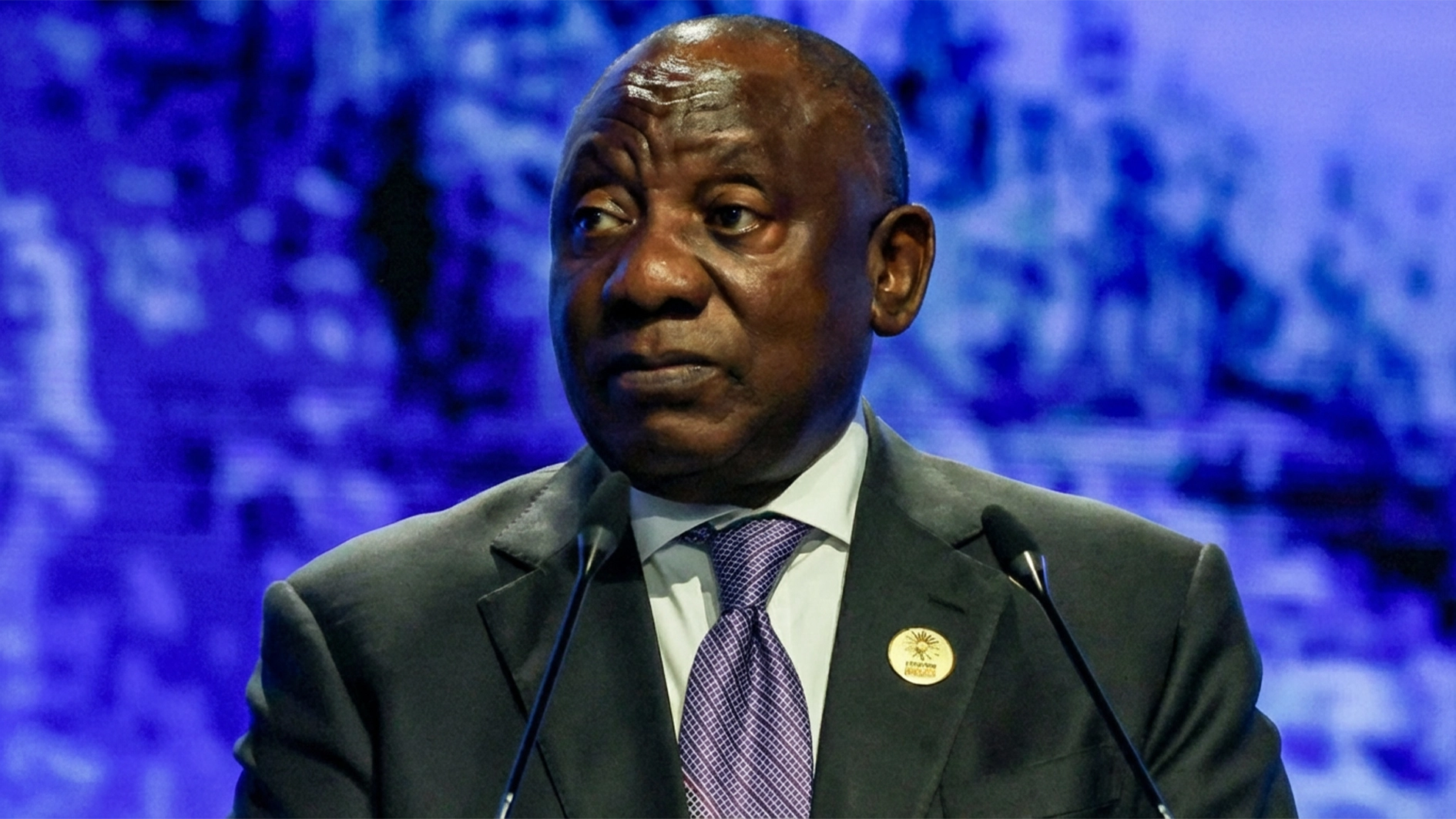
South African president’s condemnation of hostility towards foreign Africans gives Pretoria an opportunity to rebuild confidence around African Energy Week — if words are followed by visible safeguards
A significant shift has occurred in the controversy surrounding African Energy Week 2026.
For weeks, concerns over xenophobia, intimidation of foreign nationals and the safety of African visitors to South Africa have fuelled calls for governments, companies and delegates to reconsider participation in the October gathering in Cape Town.
Now, President Cyril Ramaphosa has intervened in unusually direct language.
Speaking in Durban on Friday at a public lecture linked to the 46th Southern African Development Community Summit, Ramaphosa said South Africans were “deeply concerned and ashamed” that nationals of other countries had been subjected to discrimination and ill-treatment.
“We cannot preach integration at summits and practise exclusion in our streets,” he said.

The intervention does not erase the concerns surrounding African Energy Week, scheduled for October 12 to 16. But it changes the political atmosphere around them.
Until now, one of the strongest arguments driving boycott pressure was the perception that Pretoria had not responded forcefully enough to hostility directed at foreign Africans.
Ramaphosa has now done so.
Acknowledging the problem
The significance of the speech lies not in any direct reference to AEW — there was none — but in the principle the president established.
South Africa, he argued, cannot promote African integration while tolerating intimidation of Africans within its own borders.
Ramaphosa also placed the issue within the history of regional solidarity, reminding South Africans that neighbouring countries paid a heavy price supporting the struggle against apartheid.
“We can never forget that the freedom that South Africans enjoy today was, in great measure, paid for by the people of our region and continent,” he said.
That historical framing matters.
For delegates from Nigeria, Ghana, Angola, Zambia, Zimbabwe, Mozambique and elsewhere weighing whether South Africa remains an appropriate venue for a major Pan-African gathering, the message is that hostility towards foreign Africans runs against the country’s stated regional identity.
Ramaphosa described such discrimination as a repudiation of the solidarity on which SADC was founded.
That is precisely the kind of political acknowledgement critics had been demanding.
Boycott pressure meets a changed reality
The case advanced by boycott advocates has been clear: South Africa should not benefit from African conferences, investment and visitors while failing to demonstrate that Africans will be welcomed and protected.
One presidential speech cannot settle that question.
But neither can the speech be dismissed.
The head of state has publicly acknowledged the underlying problem, condemned intimidation and linked the treatment of foreign nationals directly to South Africa’s credibility as a champion of regional integration.
That weakens the argument for immediate disengagement without first assessing whether Pretoria will turn those words into action.
For AEW, this creates an opening to move the debate away from confrontation and towards practical assurances.
The next test is implementation
Ramaphosa has provided the political message. What is needed now is an operational response.
Delegates will want clarity on arrangements involving Cape Town authorities, national security agencies, hotels, transport providers, diplomatic missions and conference organisers.
Visible security around major venues, reliable transport systems, clear emergency contacts and coordination with African embassies would help convert political reassurance into practical confidence.
Such measures would not amount to an admission that Cape Town is unsafe. International conferences routinely require coordinated security.
In the present climate, however, making those arrangements explicit could be decisive.
South Africa does not need to pretend xenophobia does not exist. Ramaphosa has effectively ruled out that approach himself.
A more credible message is simpler: the problem exists, the government rejects it, those responsible for intimidation do not speak for the country, and legitimate visitors will be protected.
The speech also speaks directly to AEW’s agenda
Ramaphosa’s lecture was not only about discrimination.
Much of it addressed the same issues that African Energy Week is expected to debate: energy security, cross-border infrastructure, regional power trading, industrialisation and the need for Africa to capture more value from its own resources.
He highlighted the Southern African Power Pool, regional electricity interconnectors and the need for greater investment in generation and transmission.
He also criticised the continent’s long-standing pattern of exporting raw materials and importing finished products.
“We export the ore and we import the battery,” he said.
That wider argument reinforces the case for African governments and companies to remain engaged with platforms where energy investment, infrastructure and regional cooperation are being discussed.
Boycotting AEW may express dissatisfaction with South Africa, but it could also remove African stakeholders from conversations directly affecting their commercial and strategic interests.
The challenge, therefore, is to address legitimate safety concerns without weakening African participation in African economic institutions.
A chance to lower the temperature
There is still time before October to prevent the dispute from hardening.
Pretoria can make its welcome explicit.
Cape Town can make security arrangements visible.
AEW organisers can communicate those measures clearly.
African diplomatic missions can engage South African authorities where specific concerns remain.
And those who demanded stronger action can continue to insist on implementation while recognising that the political response they sought has now begun.
The dispute should not become a wider confrontation between South Africa and the rest of the continent.
Ramaphosa’s own speech underscored how deeply interconnected the region has become. Electricity must cross borders. Capital, skills and technology must circulate more freely. African resources must increasingly be processed within Africa.
That vision is difficult to reconcile with an environment in which Africans feel unwelcome in neighbouring African countries.
The president acknowledged that contradiction.
That acknowledgement creates an opportunity for de-escalation.
The earlier debate around African Energy Week posed a fundamental question to Pretoria: will South Africa make clear that Africans are welcome?
Ramaphosa has begun to answer it.
The next question is whether his government can make that answer visible and credible before thousands of African executives, officials, investors and entrepreneurs arrive in Cape Town in October.
If it can, his Durban intervention may mark the point at which an escalating AEW controversy began to shift from boycott pressure towards confidence-building.

