 Follow Us on Google News


Ramaphosa’s Xenophobia Rebuke Offers Opening to Ease AEW Boycott Pressure
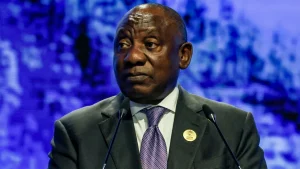
South African president’s condemnation of hostility towards foreign Africans gives Pretoria an opportunity to rebuild confidence around African Energy Week — if words are followed by visible safeguards A significant shift has occurred in the controversy surrounding African Energy Week 2026. For weeks, concerns over xenophobia, intimidation of foreign nationals and the safety of African visitors to South Africa have fuelled calls for governments, companies and delegates to reconsider participation in the October gathering in Cape Town. Now, President Cyril Ramaphosa has intervened in unusually direct language. Speaking in Durban on Friday at a public lecture linked to the 46th Southern African Development Community Summit, Ramaphosa said South Africans were “deeply concerned and ashamed” that nationals of other countries had been subjected to discrimination and ill-treatment. “We cannot preach integration at summits and practise exclusion in our streets,” he said. The intervention does not erase the concerns surrounding African Energy Week, scheduled for October 12 to 16. But it changes the political atmosphere around them. Until now, one of the strongest arguments driving boycott pressure was the perception that Pretoria had not responded forcefully enough to hostility directed at foreign Africans. Ramaphosa has now done so. Acknowledging the problem The significance of the speech lies not in any direct reference to AEW — there was none — but in the principle the president established. South Africa, he argued, cannot promote African integration while tolerating intimidation of Africans within its own borders. Ramaphosa also placed the issue within the history of regional solidarity, reminding South Africans that neighbouring countries paid a heavy price supporting the struggle against apartheid. “We can never forget that the freedom that South Africans enjoy today was, in great measure, paid for by the people of our region and continent,” he said. That historical framing matters. For delegates from Nigeria, Ghana, Angola, Zambia, Zimbabwe, Mozambique and elsewhere weighing whether South Africa remains an appropriate venue for a major Pan-African gathering, the message is that hostility towards foreign Africans runs against the country’s stated regional identity. Ramaphosa described such discrimination as a repudiation of the solidarity on which SADC was founded. That is precisely the kind of political acknowledgement critics had been demanding. Boycott pressure meets a changed reality
