 Follow Us on Google News


 Follow Us on Google Discover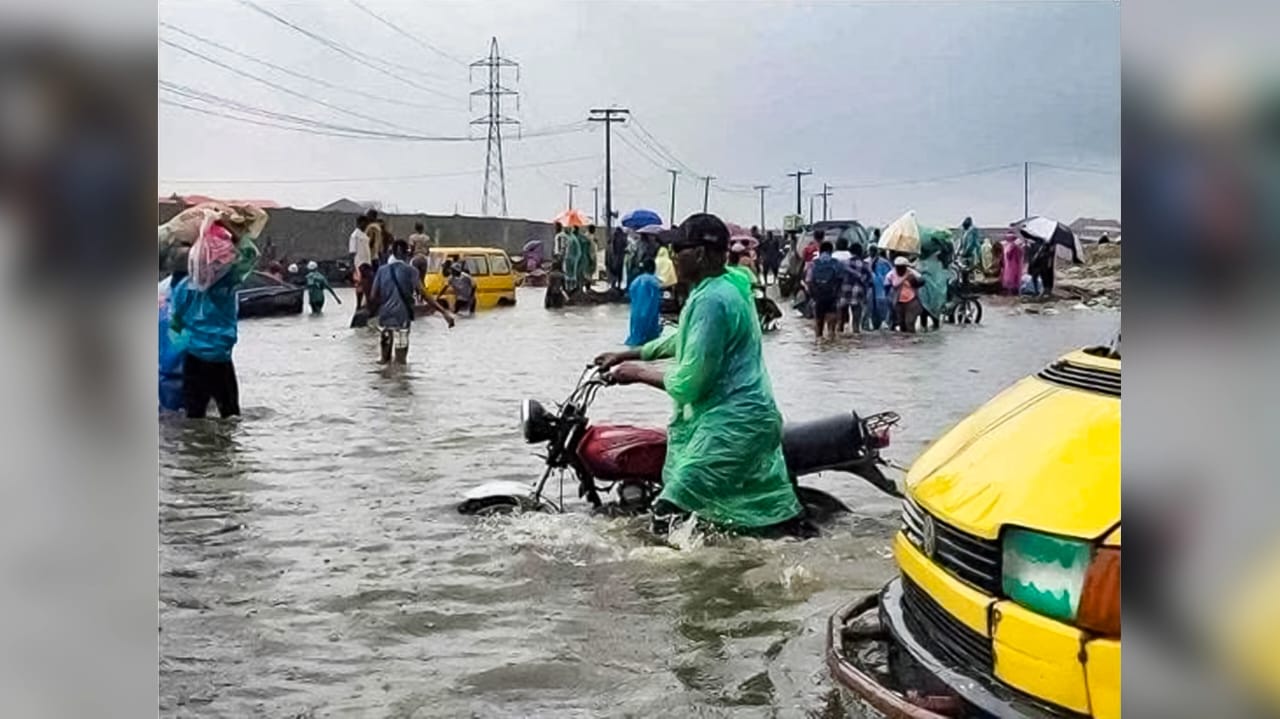
By Okoh Richard
Saturday evening began like any other rainy day, but within a few hours, it became another painful reminder of Nigeria’s growing flood crisis. In Osapa London, Lagos, Chinedu Okoro stood helplessly as the rain continued to pour and his street slowly disappeared beneath muddy floodwater.
Parked vehicles were trapped, generators were submerged, and frightened residents struggled through waist-deep water carrying children, food items, and whatever valuables they could save.
Hundreds of kilometres away in Onitsha and Ogidi, Anambra State, the situation was just as heartbreaking. Floodwaters swept through markets, destroying goods worth millions of naira. Traders who had invested their life savings watched helplessly as their businesses were ruined. Mama Ngozi, an elderly fabric seller, stood ankle-deep in dirty water holding soaked materials close to her chest. Fighting back tears, she simply said, “This is our life washing away again.”
Although the Nigerian Meteorological Agency (NiMet) had warned about heavy rainfall in several states, many residents admitted they never expected the flooding to reach such devastating levels. Thankfully, no deaths were officially reported, but countless families suffered heavy financial losses. Homes, shops, vehicles, and personal belongings were damaged, leaving many unsure of how they would recover.
Flooding has become an all-too-familiar experience across Nigeria. What was once considered a seasonal inconvenience has gradually turned into a recurring national disaster. Experts point to climate change, increasing rainfall, rising sea levels, blocked drainage systems, and rapid urban development as major factors responsible for the worsening situation. Poor waste disposal habits and the construction of buildings on waterways have only made matters worse.

Officials in Eti-Osa Local Government explained that drainage channels had been cleared before the rains arrived, yet the volume of water overwhelmed the system. In Anambra, many residents expressed frustration over what they described as delayed government action and repeated promises that rarely led to lasting solutions. Year after year, communities are assured that better drainage and flood control projects will be implemented, but many affected areas remain vulnerable whenever heavy rain falls.
Despite these challenges, the resilience of Nigerians continues to shine through. During the flooding in Osapa London, young men joined hands to rescue stranded motorists and push vehicles to safer locations. Neighbours opened their homes to families whose houses had been flooded, while volunteers assisted elderly residents and children to safer ground. Their actions demonstrated the strong sense of community that often emerges during times of crisis.
By Monday morning, life slowly began to return to normal. Market women reopened their stalls despite losing a significant portion of their goods. Business owners immediately started cleaning their shops, hoping to rebuild what had been destroyed. Software developer Adewale Ogunleye, who lost part of his generator to the flood, remained optimistic. “Naija no dey carry last,” he said with a tired smile. “We complain, but we always find a way.”
Environmental experts continue to call for stronger flood prevention measures. They recommend proper urban planning, regular clearing of drainage channels, stricter enforcement against illegal construction, improved waste management, and increased tree planting to reduce the impact of heavy rainfall.
While government agencies often acknowledge these recommendations, many citizens believe more practical action is needed instead of repeated assurances.
For people like Chinedu Okoro, Mama Ngozi, and thousands of other Nigerians affected by the floods, recovery will take time. The floodwaters may eventually recede, and the sun will shine again, but the emotional and financial scars remain. Every flood leaves behind destroyed property, interrupted livelihoods, and growing uncertainty about the future.
As climate change continues to increase the frequency of extreme weather events, Nigeria faces an urgent need to strengthen its infrastructure and disaster preparedness. Until meaningful and lasting solutions are implemented, communities across the country will continue to live with the fear that every heavy rainfall could become another disaster.
By Okoh Richard a student of Delta State University Abraka

