
 Get Guardian on Google
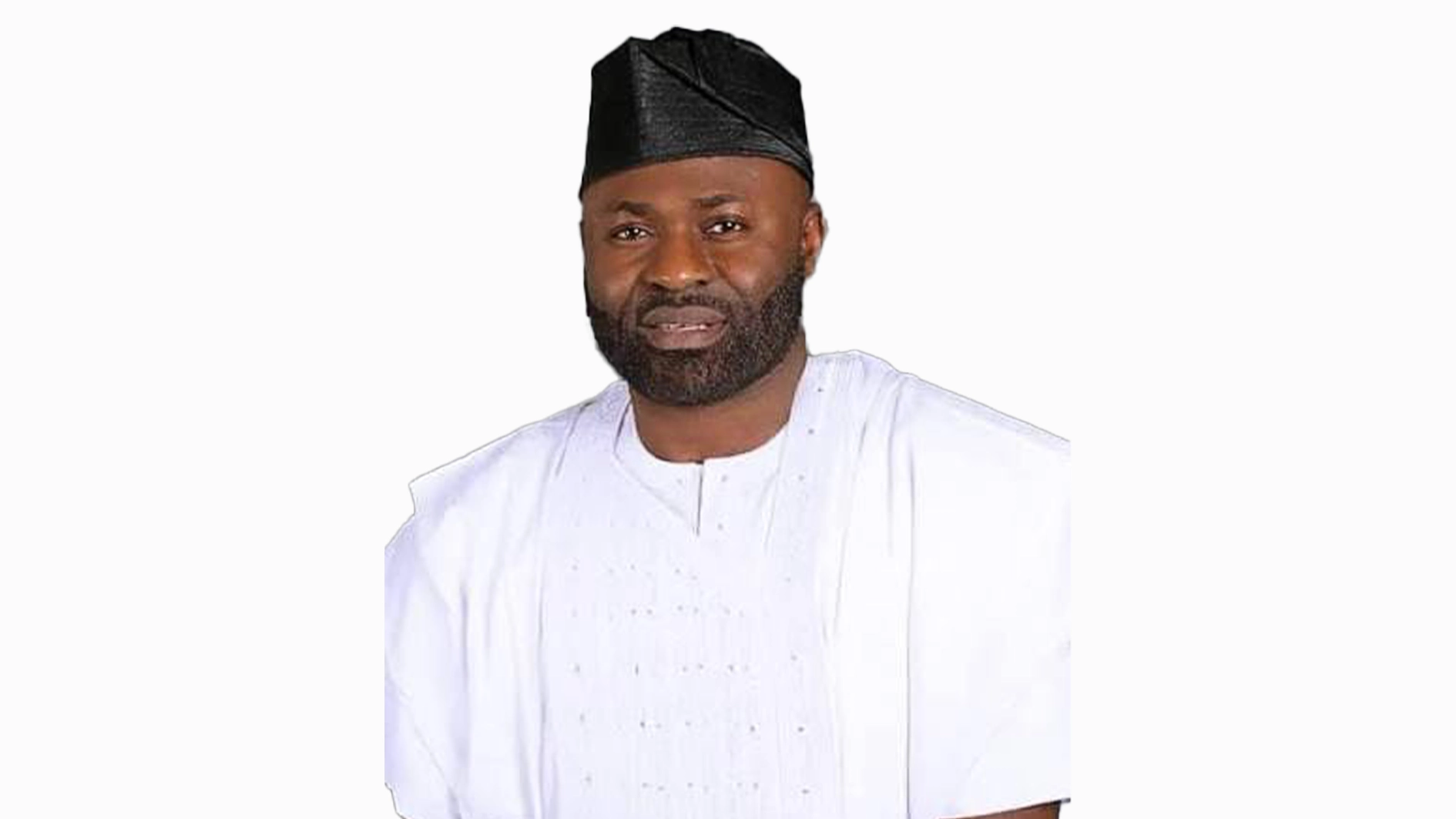
Dr. Desmond Oludare Ojumu is the senatorial candidate of the Allied Peoples Movement (APM) for Lagos Central in the 2027 elections. In this interview with SEYE OLUMIDE, he speaks on his plans to tackle traffic gridlock along the Apapa corridor, address flooding and housing challenges in the district, among other issues.
What is your connection with the people of Lagos Central that makes you think they should vote for you?
My responsibility, if elected, will be to represent the people of this district, understand their challenges and ensure that their concerns receive adequate attention at the National Assembly.
This is where I live. I have been here for years. I have a business here. I know Saheed, the local mechanic in Ikota. Njideka, my secretary, comes from Surulere. I share the agony of residents affected by state-led demolitions in Eti-Osa.
I understand that we could do better on the Apapa corridor, where traffic congestion continues to affect businesses, workers and ordinary commuters. The flood vulnerability assessment and mapping is also clear to me. The pain points across the five local governments are the same in different shapes and shades.
These are not abstract political issues. They affect people’s livelihoods, businesses, homes and ability to plan their future. Whether it is a trader struggling with the cost of transportation, a young graduate searching for employment, a family facing the threat of flooding or a resident whose property is affected by demolition, these experiences reflect the difficulties of living in Lagos Central.
These pain points were evident and more pronounced in the last elections. Check out the numbers. About 1.3 million people were registered to vote here in the last general election, but only 261,568 were accredited. That means approximately one in five participated, while four in five stayed at home.
I do not read that simply as apathy, but as genuine protest. I see people who have heard many promises over the years without seeing corresponding improvements in their circumstances. They have become increasingly sceptical of politicians who make commitments during campaigns but rarely return to account for their performance.
They deserve a candidate who signs promises with numbers and dates, then publishes how he is doing. Representation should not be based on occasional appearances, political speeches or assurances that cannot be verified. Constituents should have the opportunity to examine what their representative promised, what he has done and where he has fallen short.
As for connection, no honest candidate can claim to know every street or every individual in the district. What I can offer is a connection that people can test. We are building volunteers, 20 in each of the 62 wards. We are holding town hall meetings in each local government, building an organic movement of people with a new mindset.
Our approach is not simply to tell people what they want to hear, but to explain what works for everyone and what can realistically be achieved through effective representation. We want constituents to understand that the responsibility of a senator is different from that of a governor or local government chairman, even though all three levels of government have responsibilities that affect their lives. We already have their buy-in.
Once I am sworn in, there will be an office in each of the five local governments, and cases brought to them will be acknowledged within 48 hours. This is important because representation must be accessible. People should not have to struggle to locate their senator or travel long distances before their complaints can receive attention.
These offices will provide a channel for receiving complaints, documenting community concerns and following up on issues requiring intervention by relevant government agencies. Not every problem can be resolved immediately, particularly where other institutions are involved, but constituents deserve to know that their concerns have been received and are being addressed.
A connection that has to be believed is weaker than one that can be checked. I am asking to be checked.
What is your legislative agenda and how does it translate into benefits for constituents?
I am signing genuine and SMART commitments. Each has a number and a date, counted from the day I am sworn in. I believe that legislative representation should produce measurable benefits rather than remain at the level of speeches, motions and political promises.
The first issue is the cost of living. Food inflation was 19.57 per cent in August 2026, while the minimum wage was set at N70,000 in July 2024. These figures underline the economic difficulties facing households, particularly low-income earners who spend a significant proportion of their earnings on food, transportation and accommodation.
I will move a motion on prices and seek greater legislative attention to the factors responsible for rising living costs. The issue goes beyond food prices alone. It includes the cost of transportation, distribution and the general economic conditions affecting household purchasing power. I will also ensure that every wage vote I cast is published within seven days. Constituents should know my position on legislation affecting workers’ welfare and the reasons behind it.
On unemployment, the Senate oversees federal agencies that administer job, skills development and loan programmes. I intend to use this oversight responsibility to ensure that young people in Lagos Central are not excluded from opportunities provided by these agencies. I commit to having young people in this district linked to those programmes within four years.
I will also establish a Youth Council of 25 members, with five representatives from each local government meeting every quarter. The council will provide a platform for young people to communicate their concerns, identify opportunities and assess the effectiveness of interventions intended to improve their economic prospects.
The objective is to make young people active participants in the process rather than treating them merely as recipients of occasional assistance. Their concerns about employment, access to finance, skills acquisition and business development must inform the interventions we pursue.
Housing is another major concern. Residents across parts of Lagos Central face rising rents, insecurity of tenure, demolitions and flooding. For many families, these challenges are interconnected because the loss of a home or damage to property can destroy years of savings and plunge households into economic difficulties.
I will organise a housing rights clinic every quarter, with each case logged publicly. This will provide an avenue for residents to seek guidance and appropriate assistance on housing-related complaints. Within 90 days, I will also establish a public register of federal flood works. Residents should be able to identify projects approved for their communities, the agencies responsible and the progress being made. Transparency is necessary to ensure that public interventions address the actual vulnerabilities of affected communities.
On traffic, the ports are federal business. The Apapa corridor remains a major economic route, but congestion has continued to impose significant costs on businesses, transport operators and commuters. I will hold four oversight sessions a year and publish the figures, including how long trucks wait. The intention is to ensure that relevant federal agencies are made to account for their responsibilities and that discussions about congestion translate into measurable improvements.
Insecurity also requires deliberate legislative attention. Although the Senate does not deploy security officers, its powers include oversight and budgetary responsibilities. I will therefore drive a digitised and harmonised data system that can help trace, curtail and contain crimes. Effective security requires reliable information, coordination among agencies and the capacity to identify threats before they escalate.
Working with other lawmakers and relevant stakeholders, I shall ensure that the security budget is appropriately utilised, the intelligence architecture is re-jigged and proactive policing is encouraged. It is not enough to approve huge sums for security without demanding accountability for how the money is spent and what results are achieved.
You will see all of this on a public scorecard. I want constituents to be able to assess my commitments, the timelines attached to them and the progress made. Where there are delays or obstacles, I will explain them.
I would rather be measured by people-oriented legislation numbers than praised for empty speeches. The essence of representation is to make public institutions work better for the people and ensure that their concerns are not forgotten after elections.
What sets you apart from the candidates of the dominant parties, and what structures will you use?
I respect the larger parties and the people in them, and I will not call them weak. They have their political structures and established support bases. However, I believe Lagos Central voters also look at the individual seeking their mandate and the quality of what that person is offering.
In 2023, this district’s Senate result and its presidential result differed by tens of thousands of votes. That demonstrates that voters can make different choices depending on the candidates and the issues before them. It also reinforces my belief that personal credibility, the quality of representation and the ability to connect with constituents matter in an election.
What sets us apart is one habit: every promise carries a number, a date and a place to check it. We want to make accountability the central issue of this campaign. Voters should not have to depend on political advertisements or campaign rhetoric to determine whether a candidate is serious.