
 Get Guardian on Google
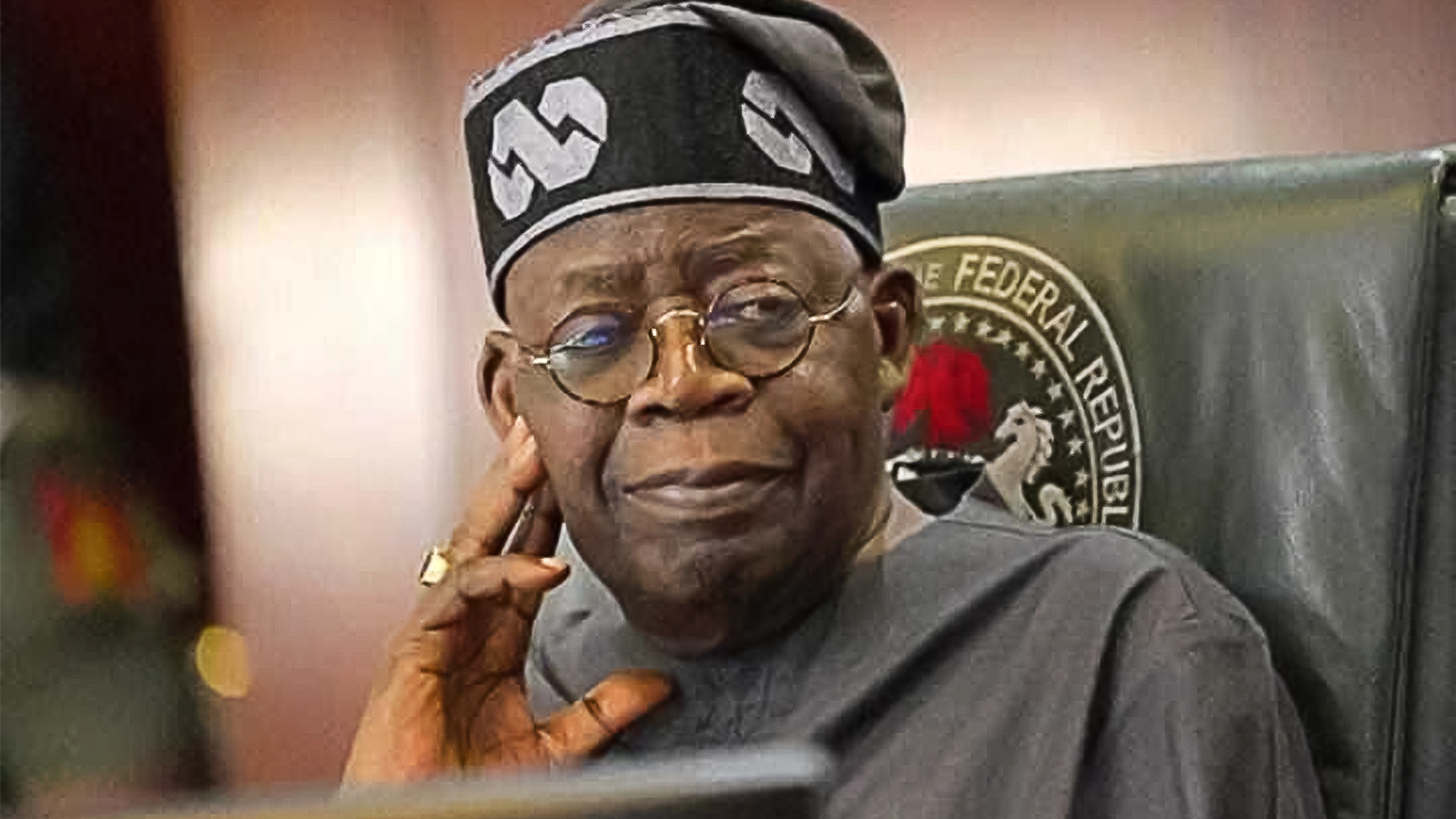
The Middle-Belt Progressive Solidarity Forum has commended the Arewa for Asiwaju (A4A) movement for its grassroots and digital mobilisation in support of President Bola Tinubu’s re-election bid ahead of the 2027 general elections.
The group said the movement’s growing presence across Northern Nigeria reflected a more coordinated approach to political engagement, particularly in its efforts to promote the administration’s policies and projects among voters.
In a statement issued in Jos, Plateau State, by its convener, Joshua Pwajok Panam, the forum described A4A as an increasingly visible political support platform, citing its organisational structure, campaign activities and use of digital communication tools.
According to Panam, the establishment of a national campaign headquarters, introduction of an election intelligence and analytics portal, and coordination of mobilisation activities across northern states demonstrated the movement’s intention to build a structured political support network.
The forum said A4A had combined physical mobilisation with online advocacy, including rallies, the appointment of youth ambassadors and the compilation of information on federal government projects across the region.
It also acknowledged the activities of social media influencers and political commentators who have promoted the movement’s messages through the hashtag #ArewaforAsiwaju.

Among those mentioned were Abdurahman Leme, Waspapping, Yellow and Kawu Garba, whom the group credited with helping to increase the visibility of the campaign on digital platforms.
The forum argued that the movement’s online activities had gone beyond expressions of political loyalty to include discussions about government policies, infrastructure development and security interventions in Northern Nigeria.
However, the extent of the campaign’s digital reach and its potential influence on voting behaviour could not be independently established from the statement.
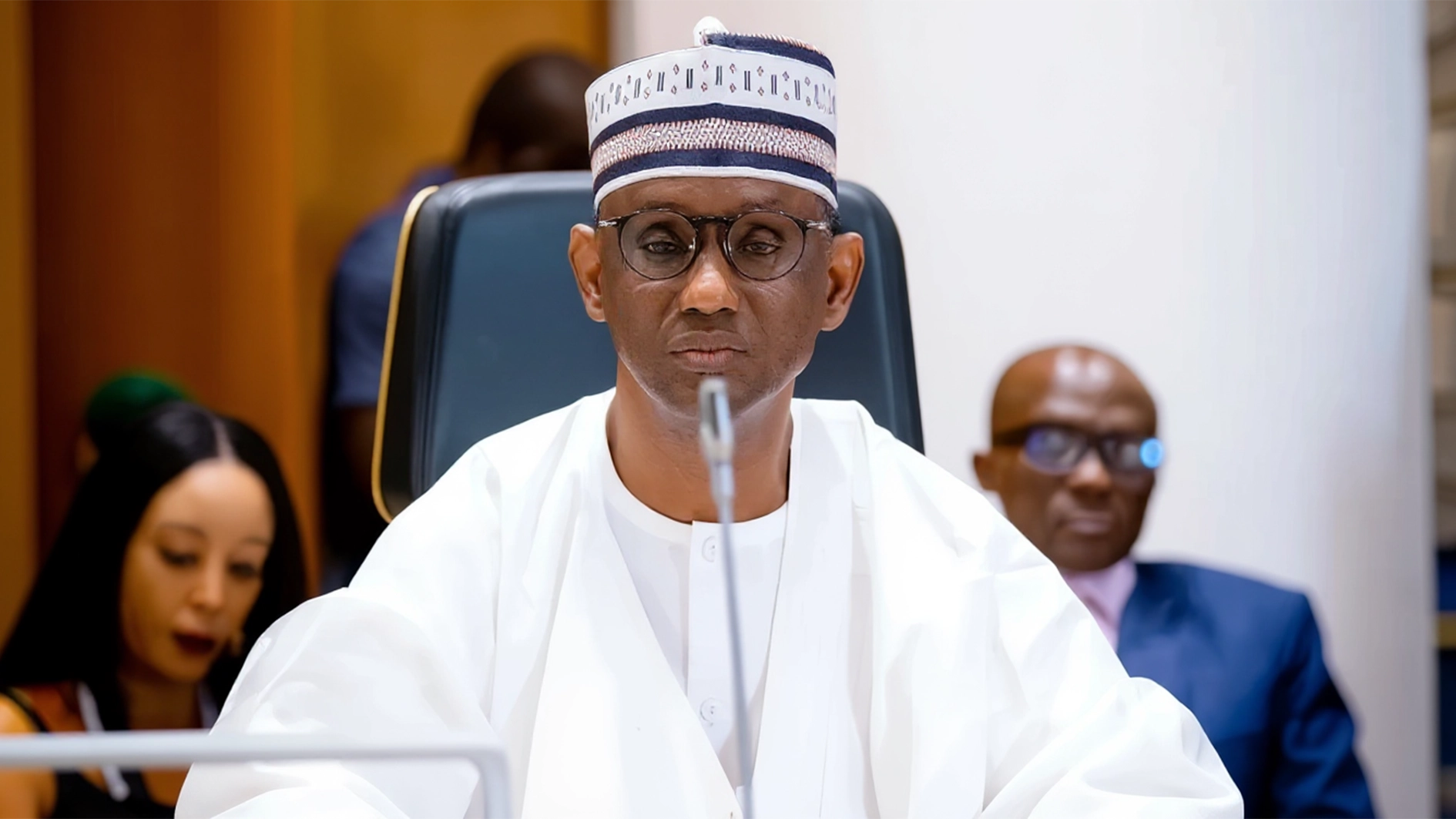
The forum also attributed part of its support for the administration to what it described as progress in security operations under National Security Adviser Nuhu Ribadu.
It cited military operations against armed groups, the killing of several suspected bandit commanders, rescue operations involving kidnapped persons and the recovery of illegal weapons.
According to the statement, security operations had resulted in the deaths of prominent bandit leaders, including Halilu Sububu, Boderi Isyaku and Buharin Yadi.
The forum further claimed that security conditions had improved along some major transport corridors, particularly the Abuja-Kaduna highway, while counter-insurgency operations in the North-East had weakened the operational capabilities of armed groups.
It maintained that the surrender of insurgents and their family members, alongside military operations in affected communities, indicated progress in addressing insecurity.
These assessments represent the forum’s position and do not establish a comprehensive improvement in security across Northern Nigeria. Several communities continue to face threats from banditry, kidnapping and insurgent attacks.
The group nevertheless argued that Ribadu’s appointment had placed an experienced northern political figure at the centre of the country’s national security coordination.
On infrastructure, the forum identified several road projects in the North-East and North-Central regions as examples of federal interventions that A4A could highlight in its engagement with voters.
It mentioned the Bali-Serti-Gashaka-Gembu Road and the Gembu-Mbamnga-Yang corridor in Taraba State, which it said were important for improving connectivity between underserved communities.
Other projects cited included the Tungo-Karamti Road linking Adamawa and Taraba states and rehabilitation work along the Kashimbila-Takum axis.
According to the forum, improved road infrastructure in these areas could support agricultural trade, transportation, access to markets and security operations.
It claimed that some of the projects were under construction or at advanced stages of implementation, although the statement did not provide contract details, completion percentages or independent assessments of their current status.
The forum urged political support organisations to communicate government achievements using information that voters could verify.
Beyond security and infrastructure, the Middle-Belt Progressive Solidarity Forum defended the principle of rotational balance in Nigeria’s presidential politics.
It argued that allowing the current southern presidency to complete an eight-year tenure would be consistent with the political arrangement that saw former President Muhammadu Buhari, a northerner, serve two consecutive terms between 2015 and 2023.
The forum acknowledged the economic difficulties facing Nigerians, including the pressures associated with the administration’s reforms, but maintained that political discussions should also consider the government’s stated long-term development objectives.
It said A4A’s approach could help broaden political debate by encouraging discussions about the potential effects of government policies rather than concentrating exclusively on immediate economic challenges.
The group called for continued engagement between the movement and regional stakeholders, particularly at the grassroots level, while emphasising the need for transparency in communicating government projects and achievements.
Panam also commended the movement’s leadership, state coordinators and digital advocates for their organisational efforts.
He urged them to sustain their activities through community engagement, verifiable information and collaboration with other political stakeholders ahead of the 2027 elections.
The statement comes as political groups and support organisations across the country intensify positioning ahead of the next presidential election, with the ruling All Progressives Congress seeking to consolidate support for Tinubu amid continuing public debate over the economy, security and governance.