 Follow Us on Google News



 Follow Us on Google Discover
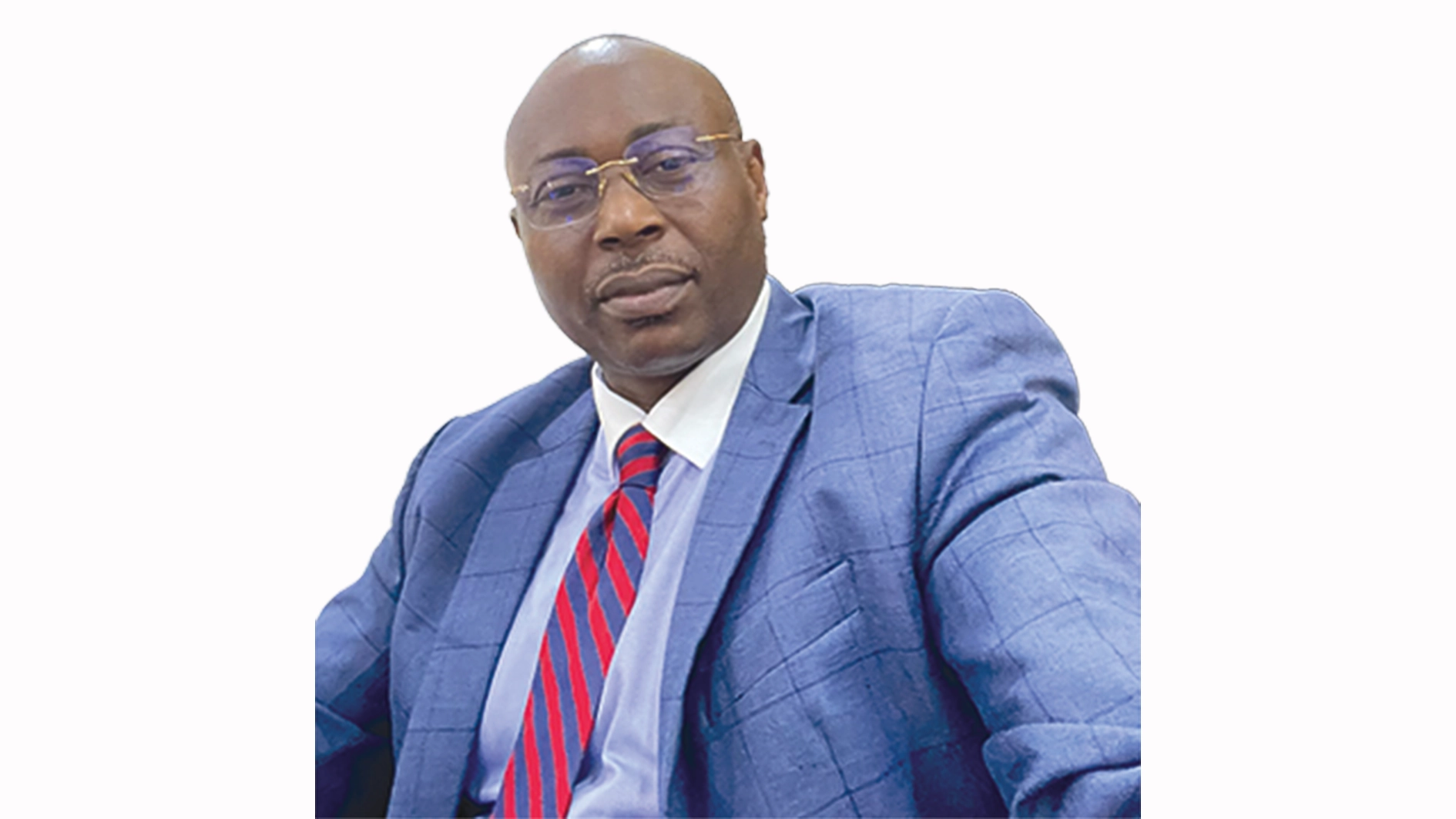
Olorogun Joshua Oghenejiru Muwhen is the Acting Managing Director/Chief Executive Officer (CEO) of Delta Trust Mortgage Bank Limited and a public affairs analyst. In this interview with OPEYEMI BABALOLA, he speaks on sundry national issues such as the recently celebrated 66th independence anniversary of Nigeria, preparations for the 2027 elections, insecurity and the economy.
Nigeria recently marked its 66th independence anniversary. What is your honest scorecard for the country at 66? Is it progressing or merely surviving?
Let me begin by saying that these are my personal reflections as a Nigerian, a legal practitioner and a banker. I approach these issues with respect for our institutions and a sincere desire to see our country succeed.
At 66 years of independence, Nigeria’s record is mixed. We have made progress in entrepreneurship, technology, education and financial services. However, insecurity, poverty and weak public services mean that many citizens still experience daily life as a struggle for survival. My modest assessment is that we have progressed, but considerably below our potential. Our achievement must ultimately be measured by the safety, dignity and opportunities available to ordinary Nigerians.
What is Nigeria’s greatest failure and greatest success in the last 10 years?
In my assessment, our greatest failure has been the persistent inability to provide dependable security for all citizens. That failure affects food production, education, investment and national confidence.
Our greatest success has been the ingenuity of Nigerians, particularly in enterprise and digital financial services. Our people continue to create opportunities under difficult conditions. Government must make that ingenuity easier to sustain.
Looking at the current value of the national currency – Naira –, inflation and debt, is the country running an economy or managing a crisis?
We are running an economy that has required considerable crisis management. The challenge is to move from repeated emergency responses to predictable, productive growth.
As a banker, I look beyond headline indicators to purchasing power, business survival, access to credit and repayment capacity. Stability becomes meaningful when households can plan and businesses can invest with confidence.
With the nation’s debt profile and removal of petrol subsidy, do you think it is broke or badly managed?
I would avoid reducing the situation to either description. Nigeria faces revenue and financing pressures alongside weaknesses in public expenditure and economic productivity.
Borrowing should be assessed by its cost, purpose and repayment capacity. Likewise, subsidy reform must be judged by how transparently the resulting fiscal space is used. Citizens deserve visible improvements in transport, healthcare, education and infrastructure.
What do you think an average Nigerian misunderstands about the economy that keeps him/her angry at the wrong people?
I would first acknowledge that much of the public frustration is understandable. One useful distinction is that falling inflation means prices are rising more slowly; it does not necessarily mean prices have fallen.
Another is that responsibility is shared across federal, state and local governments, regulators and businesses. Better public communication should explain those responsibilities clearly. Economic explanations must never become an excuse for avoiding accountability.
Are financial inclusion, foreign exchange stability and investor confidence achievable before 2027?
Meaningful improvement is achievable, although no responsible person should promise complete stability within a fixed political timetable. Financial inclusion requires affordable, accessible services and strong consumer protection. Foreign exchange stability requires productive activity, credible policy and dependable inflows.
Investor confidence grows when rules are predictable, contracts are respected and businesses can operate securely. These are practical objectives that require consistent action.

What three economic reforms must the next government not reverse, regardless of politics?
First, transparency and fair access in the foreign exchange market. Second, sustainable energy pricing, accompanied by targeted social protection and better transport options. Third, fair taxation and disciplined, transparent management of public revenue.
The next government should evaluate results, improve implementation and preserve what works. Policy continuity should serve Nigerians, rather than the political reputation of any administration.
Is the rule of law still supreme in the country or has it become selective?
The rule of law remains our constitutional ideal, but its application must become more consistent. Whenever influence appears to determine whose rights are protected or whose obligations are enforced, public confidence suffers.
My position is simple: the same legal standards should apply to the powerful and the ordinary citizen. Institutions earn respect through fairness, consistency and obedience to lawful decisions.
How would you rate the independence of the judiciary?
I would avoid a sweeping judgment about the entire judiciary. There are courageous and conscientious judicial officers, but institutional independence requires more than formal recognition.
It requires dependable funding, transparent appointments, security of tenure, adequate working conditions and freedom from improper influence. It also requires accountability within the judiciary. Independence and integrity must reinforce each other.
Looking at cases of human rights violations and disobedience of court orders, is Nigeria practicing democracy or civilian autocracy?
Nigeria operates a constitutional democracy, but democratic practice must be continually strengthened. Elections alone do not fulfil every democratic obligation. Arbitrary detention, unlawful restrictions and disregard for court orders are inconsistent with democratic government. Where a decision is disputed, the proper response is to pursue lawful review or appeal. Respect for rights should be an everyday practice.
What constitutional amendment is urgently needed before 2027?
My priority would be a carefully designed amendment enabling accountable policing closer to communities. Security is fundamental to almost every other national objective.
However, the safeguards are as important as the amendment itself: professional standards, independent oversight, clear responsibilities and protection against political interference. Constitutional change should be thorough and durable, rather than rushed simply to meet an election timetable. How neutral and independent is the Independent National Electoral Commission (INEC)? Do you see it as pandering to the dictates of the Presidency?
INEC is intended to function as an independent electoral institution. However, legal independence and public confidence are separate matters. I would not allege presidential control without evidence. What Nigerians reasonably demand is demonstrable independence through impartial decisions, transparent operations and consistent treatment of every political party. Independence must be visible in conduct.
With the BVAS and IReV now in the Electoral Act, has Nigeria closed the loopholes for rigging or merely digitised it?
These measures can strengthen electoral integrity, but technology alone cannot guarantee credible elections. Accreditation, voting, result recording, transmission and collation must all work together transparently. We must also address intimidation, vote buying and misconduct by officials. The objective should be a process that citizens can verify and institutions can defend with evidence.
What is your take on monetisation of politics?
Elections legitimately cost money. The concern is when financial power overwhelms competence, integrity and voter choice.
Excessive spending can discourage capable candidates and create pressure to recover political expenditure after taking office. Transparent donations, credible spending oversight and enforcement against vote buying are therefore essential. Politics should remain accessible to people whose greatest asset is their capacity to serve.
Do you see money as the biggest threat to credible elections in 2027?
Money is one of the greatest threats, particularly when poverty makes voters vulnerable to inducement. However, intimidation, impunity and weak enforcement are equally serious. Campaign financing requires transparency, and electoral offences must attract consequences. A vote should represent a citizen’s judgment, rather than a transaction made under economic pressure.
As a legal practitioner, what legal loopholes could be exploited to manipulate the 2027 elections?
I would focus on areas requiring clarity: how discrepancies between result records are resolved, how technical failures are handled, whether parties can obtain electoral evidence promptly, and whether disputes can be determined effectively within applicable deadlines.
Inconsistent procedures and weak enforcement can create opportunities for abuse. These issues should be clarified before polling, with clear rules and consequences applied equally to all participants.
With persistent killing across the country, is Nigeria merely facing insecurity or an undeclared war? Can it achieve growth and credible elections without fixing security first?
Whatever terminology we use, the suffering of affected communities is profound. Different threats require different responses; terrorism, kidnapping and communal violence should not be treated as identical problems.
Sustained growth and credible elections require reasonable security. Farmers must reach their farms, businesses must operate and voters must participate without fear. Security and development should therefore advance together, with protection of life as the first responsibility.
About 25 state assemblies have voted in support of the State Police Bill. Is state police the solution to insecurity in the country?
I support policing that is closer to communities, provided it comes with strong safeguards. Local knowledge can improve prevention and response, but decentralisation without accountability may create new problems.
Any state policing arrangement should have professional recruitment, dependable funding, independent complaints mechanisms and clear protection against political misuse. It should serve residents, including those who oppose the government of the day.
If you had 10 minutes with President Bola Tinubu, what three truths would you tell him?
I would respectfully make three points. First, economic reform will be judged by its effect on food, transport, housing, employment and household income. Improved indicators must translate into improved lives.
Second, citizens need visible restraint and accountability in public spending, particularly when they are being asked to make sacrifices.
Third, insecurity and weak institutional trust can undermine even well-intentioned reforms. Protecting communities, respecting lawful decisions and ensuring impartial electoral administration must remain central priorities.
What must the youth, elite and average voter do differently in 2027?
Young people should move from understandable frustration to sustained participation: verify their registration, examine candidates, organise peacefully and remain engaged beyond election day.
The elite should support competence, institutional integrity and fair competition, rather than seeking influence principally for personal advantage.
Every voter should assess character, capacity and a credible programme, resist inducement and reject inflammatory misinformation. After the election, all of us must continue demanding accountability through lawful means.
My hope is that 2027 strengthens our democracy and renews confidence in our common future. Nigeria’s progress should concern every citizen, regardless of party, ethnicity or religion.

