 Follow Us on Google News


 Follow Us on Google Discover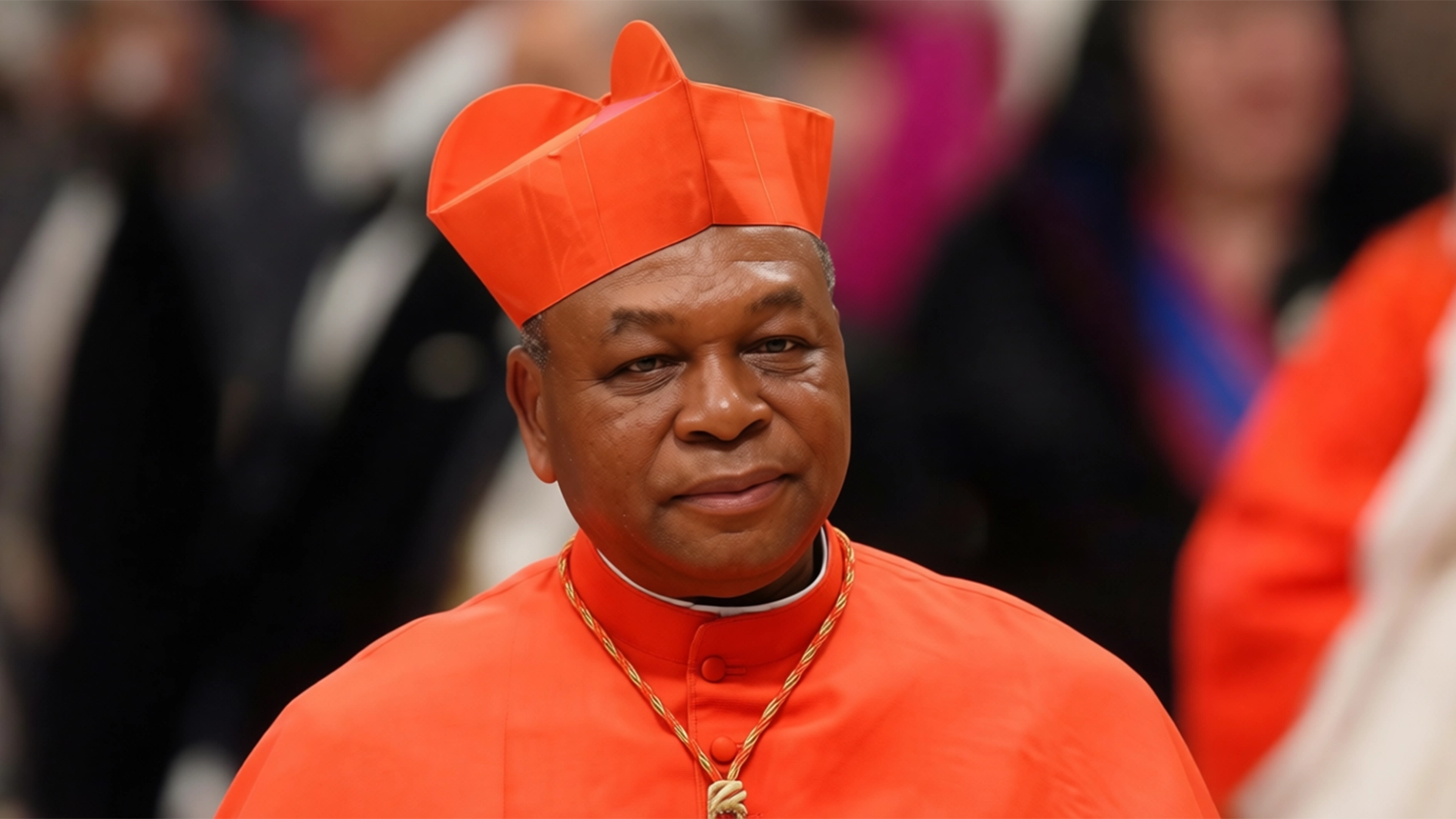
Cardinal John Onaiyekan is the Catholic Archbishop Emeritus of Abuja. In this interview with OBIRE ONAKEMU, he laments worsening poverty, insecurity, graft, and the fate that awaits the current administration in a free and fair general election.
At the moment, how do you see the state of the nation?
From what we can see around us, it appears that there are some Nigerians in the corridors of power who are doing very well under this administration. For them, they have never had it so good. But from what I see daily and everywhere around me, the vast majority of Nigerians have been thrown into deep economic hardship and poverty.
Even the government seems to acknowledge this reality. All they are telling us is that we are going through inevitable growing pains that will eventually lead to a better Nigeria, just around the corner. They are asking us to make an act of faith in a government that has given us little or no reason to trust that what it is doing is truly in our best interest. That is what makes the pain even more unbearable.
The sooner the government accepts this fact and makes the necessary readjustments to its major policies, the better. In the meantime, there are fears that serious damage is being done, the kind that may take a long time to reverse. The youth, in particular, feel this despair deeply and are seeking every possible means to escape from their fatherland. No government should be proud of such a situation.
The Minister of Information and National Orientation, Mohammed Idris, has boasted that the achievements of President Bola Tinubu have surpassed those of Obasanjo, Buhari, Jonathan, Yar’Adua and others. Do you concur?
I completely disagree with him. It is most unfortunate that he should make such claims, which convince no one except perhaps the few people around him. This is a great disservice even to Mr President himself, who needs to be told the truth about the nation’s condition rather than be surrounded by excessive praise.
How do you see the institutional challenges and political dynamics that have shaped the anti-corruption fight in Nigeria?
I do not believe that governments have made any sincere commitment to engage in a genuine anti-corruption fight.

It is obvious that little or no real success has been achieved. Without the right political will and moral commitment, anti-corruption institutions and agencies will remain largely ineffective. Sacred cows will continue to thrive in impunity, and many camels will continue to pass through the eye of the needle.
Corruption cannot be fought selectively. Once it becomes a tool for political intimidation rather than moral reform, it loses credibility. Nigerians are not blind; they can see when justice is unevenly applied.
How does systemic fraud undermine development, and how can it be challenged?
Systemic fraud breeds lawlessness and general disorder, making genuine development almost impossible. It discourages both local and foreign investment. I cannot believe that those in charge of our national affairs are unaware of this basic principle of good governance.
There is no way around it. To ignore it for selfish reasons is to tragically deceive ourselves. Eventually, the chickens will come home to roost. A nation cannot build sustainable prosperity on a foundation of dishonesty.
The only way forward is through transparency, accountability, and a firm moral resolve to do what is right.
How do you see Nigeria’s multi-trillion-naira fuel subsidy scandal?
It is essentially the same pattern. Everyone is talking about trillion-naira subsidy fraud, but they are not telling us who is behind it. With all the human and technical resources at the disposal of the NNPC, it is difficult to imagine that the flow of subsidies and refined fuel into the country could not be properly monitored.
This should have been thoroughly addressed before plunging Nigerians into multidimensional poverty through the sudden declaration of subsidy removal. We are even hearing that despite the loud announcement that the subsidy has been removed, the fraud may still be continuing over two years later.
We pray and hope that Nigeria will soon have a government that is transparent with its citizens and that stops taking the people for a ride on such crucial matters.
Do you think the political climate and public sentiment in Nigeria have shifted significantly against the ruling party?
From all I have said, it is obvious that public sentiment has largely turned against the ruling party. There is the fundamental question of how much this government can claim to enjoy the goodwill of the majority of Nigerians. Have we forgotten the figures from the last election, disputed as they were?
Furthermore, where is the credible and viable alternative to the tragic situation we now face, especially given the disarray within most opposition parties? Time is not in our favour.
The issue of installing an effective electoral commission that is truly independent, impartial and competent must be resolved before the 2027 elections. If there is any merit to the rumours that those in power are unwilling to allow meaningful electoral reform to preserve existing loopholes, then Nigerians must learn to rise peacefully but decisively to defend their right to freely choose their leaders.
What is your assessment of the recent wave of defections to the APC? Do you view it as evidence of growing political strength and public confidence in the party, or is it largely driven by personal interests such as the pursuit of appointments and contracts?
In my opinion, these defections are not in the interest of the people, no matter how loudly politicians proclaim their love for the masses. It appears to be largely selfish posturing, with politicians negotiating among themselves on how to control power for their own interests.
The name of the game seems to be power grab, not service. But we must not lose hope. We continue to pray that before the next elections, a credible group of patriotic Nigerians will emerge with a clear agenda for genuine service that can restore citizens’ trust.
How likely is it that President Bola Tinubu will secure a second term in office? In your view, is such an outcome realistic or achievable?
The key question is not whether it is realistic or possible. The main issue is how to ensure that a better Nigeria emerges for the good of everyone. I still believe this is possible, even by 2027. But it will not happen automatically. It must be deliberately pursued by all of us, not left to the same old professional politicians, civilian or military, who have largely shaped our present predicament.
Do you support the emergence of a new coalition that reflects Nigeria’s true aspirations, rather than perpetuating political opportunism?
When I hear ‘coalition’, I think of a merger of existing political parties. I do not necessarily see that as something new. Rather, I am thinking of a truly brand-new movement, founded on a fresh understanding of politics as service, not as a platform for power and self-enrichment. Such a body must have a people-oriented manifesto that addresses Nigeria’s real problems with vision, courage and commitment.
Do you think Nigerian voters are ready to embrace a political alternative that prioritises development, equity and transparency?
Nigerians have always been ready. Unfortunately, the system has often sidelined them and denied them the opportunity to freely choose their leaders. Elections have become battles among political gladiators determined to win at all costs.
This is why election days often resemble war zones, with armed soldiers and police everywhere, sirens blaring.
The justification is that they are preventing rigging, yet electoral malpractice seems to worsen with each cycle.
Authorities should withdraw both official and unofficial thugs and allow Nigerians to conduct peaceful and credible elections, as is done in established democracies.
Some supporters of the incumbent President say the dividends of his policies will soon yield positive results…
The standard of living of Nigerians has declined considerably since May 29, 2023, under President Tinubu’s watch. If the situation continues as it has for the rest of his tenure and we have a truly free and fair election, he will find it difficult to win.
The worsening economic hardship is deeply worrisome. The President needs to make life as livable as possible for Nigerians, tackle the escalating insecurity across the country, improve economic conditions and confront corruption decisively.
My advice to Mr President is that he should find independent ways of understanding what Nigerians are truly going through, not only from those around him who constantly praise him. He should understand how families survive on their monthly wages. Since he is meant to serve the people, he must raise their level of well-being.
We are not being unfair when we say that since May 29, 2023, our collective well-being has significantly declined. The government may argue that it has done its best, but it exists to ensure that Nigerians’ living standards are at least maintained, if not improved. As he approaches three years in office, it is more than halfway through his tenure. It is still possible to change direction.
If he adjusts his policies to directly target the poor and vulnerable, Nigerians will remember him positively. But if things continue as they are, and if elections are credible, he will struggle to secure another term.
The elections are long over. The Supreme Court has spoken. Now is the time to govern, make life livable, restore security, improve the economy, and fight corruption. These were promises made before, including by his predecessor, yet expectations were not met. Nigerians are waiting to see tangible change.
What role do you think the media can play in all of this?
The media must function as an instrument of hope and healing. Nigeria is yearning for truth, unity, justice and hope amid mounting social, economic and political challenges.
Media practitioners must be responsible communicators, offering not just information but also inspiration. They should promote peace, constructive dialogue, non-violence and inclusive leadership. The press remains a vital pillar in safeguarding democracy and holding leaders accountable.
What is your position on the security situation in Nigeria?
There is an urgent need for a national reawakening on security. The relentless violence across the country has exposed a government that appears unable to adequately protect its citizens. If the primary responsibility of the government is to guarantee the safety of life and property, then it must fulfil that obligation without excuses.
Despite the Catholic Church’s sustained efforts to provide education in rural communities, terrorists continue to invade schools and abduct children. When the Church goes to great lengths to make education accessible, only for criminals to carry away pupils and discourage parents from sending their children to school, it is deeply troubling and tragic.
Government promises to address kidnapping and violent crime must go beyond rhetoric. They need to be matched with visible, effective action. If authorities are unable to keep citizens safe, then they are failing in a fundamental duty.
It is also embarrassing that Nigerian officials frequently seek assistance abroad to resolve basic security challenges. Other countries have managed to secure their own territories. We cannot outsource the protection of our people. We have the human and material resources required; what is needed is the will, transparency and decisive action.
Nigerians must also demand accountability. If leaders remain complacent, citizens will inevitably begin to question how best to defend their communities within the law.
Let me emphasise that the violence in Nigeria is not a Christian-versus-Muslim conflict. It is a national security crisis driven by criminality. Muslims are also being killed. This is about criminals taking control of parts of our country, not about religion.
Infrastructure projects, including newly constructed roads and flyovers in Abuja, will become meaningless without security. No country overrun by terrorists can attract serious foreign investment. Security is the foundation upon which every other form of development rests.

