 Get Guardian on Google
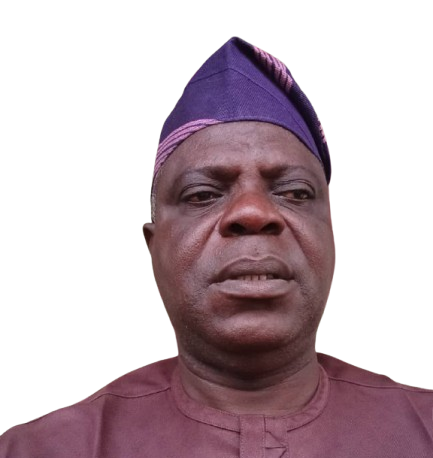
The governorship candidate of the Nigeria Democratic Congress (NDC) in Kwara State, Professor Abdulmumin Yinka Ajia, on Sunday, unveiled a six-point agenda, proposing quarterly public reports if elected in 2027.
Ajia presented his “Forward Kwara Agenda” at the party’s state secretariat Ilorin, where he also inaugurated his Campaign Council.
According to him, the agenda would focus on security, enterprise and jobs, education and skills, healthcare, infrastructure and energy, and governance and anti-corruption.
According to him, the programme seeks to build stronger public institutions, expand economic opportunities and ensure that residents can access government services through fair and published procedures.
“A family should know where to apply for help, who qualifies, and how to appeal if a decision is wrong. Its access to public services should never depend on a relationship with the governor,” he said.
Speaking on workers’ welfare, Ajia said his proposed ₦120,000 minimum wage benchmark would be accompanied by a cost-of-living adjustment framework.
He explained that implementation would involve payroll verification, assessment of the financial implications, consultations with organised labour and publication of a funding plan and timetable.
For pensioners, he promised to verify outstanding gratuities, publish a schedule for settling validated arrears and establish a predictable timetable for newly due obligations.
On security, the NDC candidate pledged closer coordination with federal security agencies, local governments, traditional institutions and communities to identify vulnerable settlements and routes and improve the reporting of threats.
He said farming communities and areas with limited access to emergency assistance would receive particular attention, alongside improvements in fire, rescue and flood response.
Ajia identified agriculture and small businesses as major drivers of his proposed employment strategy, promising support for extension services, storage, processing, transportation and access to buyers.
He cited cassava and garri production in Osi, sweet potatoes in Ibolo, and fisheries in Edu and Patigi as activities capable of supporting additional jobs across their value chains.
The candidate also proposed an annual recruitment season for approved vacancies in the state public service, with efforts to secure similar arrangements with local governments and private employers.
Graduates interested in entrepreneurship, he added, would have opportunities to apply for grants or credit under published eligibility criteria and assessments of business viability.
On education, Ajia announced an “Every Child in School, Every School Day” initiative. He said the first 90 days of the first new school year under his administration would focus on identifying children who were out of school or frequently absent and addressing the barriers affecting their attendance.
He also promised teacher support, separate monitoring of attendance and learning outcomes, and stronger career guidance.
His healthcare proposals include improved staffing, essential medicines, water, electricity and referral services at primary healthcare facilities. He said affordable health insurance would be expanded in funded stages, beginning with vulnerable households and other priority groups.
On infrastructure, Ajia pledged attention to dangerous road defects, feeder roads, water and sanitation facilities, scheduled waste collection and dependable power for essential services.
He said his administration would publish quarterly performance reports through a green, yellow and red dashboard showing completed commitments, delayed projects and corrective measures.
Charging members of the campaign council, Ajia urged them to listen to communities, explain policies accurately, account for campaign resources and treat citizens and political opponents respectfully.
“The people of Kwara will learn something about the kind of government we intend to lead from the way you conduct this campaign,” he said.
He called on residents and journalists to scrutinise the agenda, particularly its funding, implementation responsibilities and delivery timelines.