 Follow Us on Google News


 Follow Us on Google Discover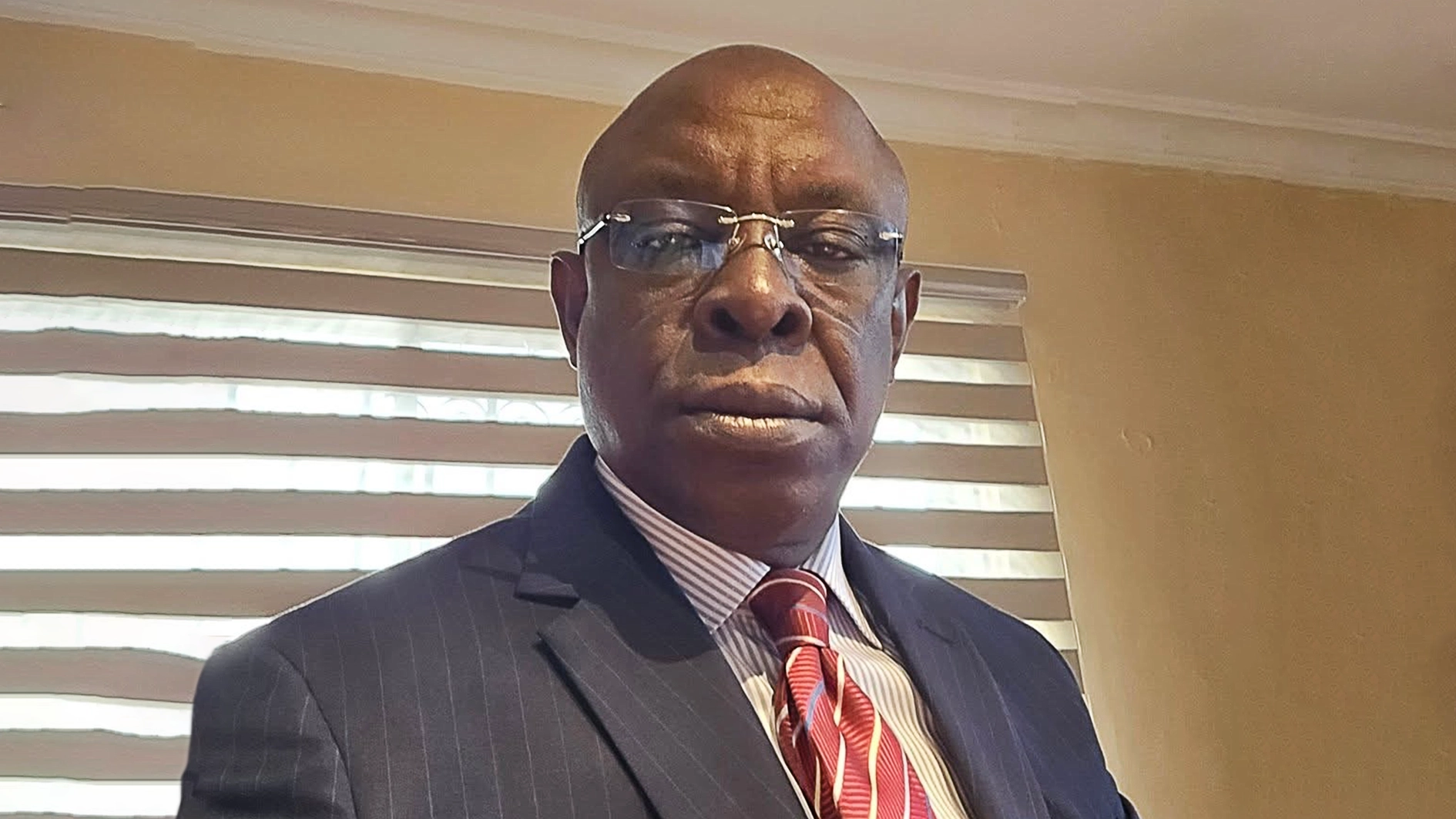
The Labour Party candidate for Abakaliki/Izzi Federal Constituency in the 2027 general election, Dr Ezeh Emmanuel Ezeh on Sunday said that the rising living costs and declining household purchasing power have deepened hardship across the country saying that the economic policies of the All Progressives Congress-led Federal Government has failed.
Analysing Tinubu economic policies in a statement which Guardian obtained a copy in Abakaliki Ezeh described the situation as a progression from broken pockets to broken dreams, broken homes and a broken society insisting that Nigerians are helpless as living costs rises and household purchase declines.
He attributed what he described as widespread economic and social distress to what he considered policy failures and inadequate accountability under the APC administration of President Bola Tinubu.
According to him, the consequences of economic hardship are no longer confined to household finances, but are increasingly affecting businesses, employment, family stability and Nigerians’ confidence in the future.
“Broken pockets, broken dreams, broken homes, broken society. That is the apt description of everyday life in Nigeria today,” Ezeh said.
He argued that the removal of petrol subsidy and other economic reforms introduced by the Tinubu administration had imposed substantial short-term pressures on households and businesses.

President Tinubu announced the end of the petrol subsidy at his inauguration on May 29, 2023, while his administration has consistently defended the measure as necessary to address fiscal pressures and redirect public resources towards infrastructure and social development.
But Ezeh said the immediate burden of the reforms had been particularly severe for low-income households, small businesses and young Nigerians struggling to secure employment.
He cited the experience of a businessman, Felix Onyia, whom he said had operated an electronics retail business in Abakpa Nike, Enugu, before economic pressures forced him to consider relocating to his village.
Ezeh also recalled a conversation with a tomato seller at Ketu Market, Lagos, who, according to him, complained that rising wholesale prices were forcing traders to increase retail prices, thereby putting them at odds with increasingly cash-strapped consumers.
“The trader blames the wholesaler, the wholesaler blames the rising cost of transportation and inputs, while the consumer bears the ultimate burden,” he said.
The Labour Party candidate further expressed concern over the impact of the economic environment on businesses and employment, citing the closure or downsizing of some retail outlets and enterprises.
He said the consequences were particularly troubling for young Nigerians whose aspirations, he argued, were increasingly being undermined by limited employment opportunities and rising costs of living.
Ezeh said the loss of jobs and declining business opportunities could ultimately translate into pressure on families.
“When pockets are broken, dreams are broken too. And when dreams are broken, the family becomes the next casualty,” he said.
He alleged that many Nigerian households were now being forced to make difficult choices between food, healthcare, education, transportation and other basic necessities.
According to him, the cumulative effect of prolonged economic pressure could deepen social dislocation, increase migration and weaken public confidence in the country’s institutions.
The APC-led administration, however, has maintained that its reforms were undertaken against the background of severe fiscal and structural challenges inherited in 2023.
In his third-anniversary address in May 2026, President Tinubu said the country had faced mounting fiscal pressures, unsustainable fuel subsidies, declining revenues, exchange-rate distortions, rising debt-servicing costs and energy constraints when his administration assumed office.
The President acknowledged that the reforms had imposed significant sacrifices on families, workers and businesses, but argued that they were necessary to stabilise the economy and establish the foundation for long-term recovery.
Recent data published by the National Bureau of Statistics also show that Nigeria’s economy recorded real GDP growth of 3.89 per cent year-on-year in the first quarter of 2026, while the latest inflation figures displayed by the agency put headline inflation at 15.39 per cent and food inflation at 19.57 per cent under the rebased Consumer Price Index.
Ezeh, however, maintained that macroeconomic indicators must ultimately translate into improved living conditions for ordinary Nigerians.
He challenged political leaders in the South-East, including those supporting President Tinubu’s re-election bid, to make the interests of citizens central to the political debate ahead of 2027.
“Senator Pius Anyim, Senator David Umahi, Professor Charles Soludo, Senator Orji Uzor Kalu, Governor Hope Uzodimma and every other influential South-East political leader have the democratic right to support any candidate or political alignment they consider appropriate,” he said.
“Citizens, however, possess an equal democratic right to scrutinise those choices.”
Ezeh said the 2027 political debate should go beyond zoning, ethnic calculations and political alliances to focus on policies capable of addressing unemployment, enterprise development, security, infrastructure and accountable governance.
He also urged Nigerians to examine the records and policy proposals of political parties and candidates before making their electoral choices.
“The real question is which policies, alliances and leadership decisions offer Nigerians, including Ndigbo, credible prospects for jobs, enterprise, security, infrastructure and accountable governance,” he said.
Ezeh maintained that the 2027 election should provide Nigerians with an opportunity to assess competing visions for the country’s future.
He said rebuilding public confidence would require leadership that treats governance as a responsibility rather than an entitlement.
“A nation does not die only when its economy fails. It dies when its people stop believing that tomorrow can be better than today,” Ezeh said.
He called for greater institutional accountability, economic policies that protect vulnerable citizens and a political culture centred on service, inclusion and measurable development.
Ezeh said the task before Nigerians in 2027 would therefore extend beyond changing political office holders to determining the policy direction, institutional priorities and leadership standards that would shape the country’s next phase of development.

