 Follow Us on Google News
 Follow Us on Google Discover
Former South-East spokesman to President Bola Tinubu, Denge Josef Onoh, has attributed the growing disagreement between the Minister of the Federal Capital Territory, Nyesom Wike, and governors elected on the platform of the All Progressives Congress (APC) to concerns over the minister’s political strategy and the implications of his Rainbow Coalition for the ruling party.
Onoh, in a statement made available to journalists in Lagos, argued that the current confrontation should be viewed against the background of Wike’s political career and his involvement in previous intra-party disputes.
His intervention followed Wike’s response to APC governors after the Progressive Governors Forum (PGF) distanced itself from political arrangements that could weaken the APC or adversely affect its candidates in the 2027 elections.
The FCT minister has maintained that his Rainbow Coalition is designed to mobilise support for President Tinubu’s re-election and does not amount to an alliance with the APC.
Onoh, however, argued that APC governors have legitimate reasons to be concerned about an arrangement under which politicians from other parties could support Tinubu while simultaneously fielding candidates against the APC in governorship and legislative elections.
He said the disagreement was rooted in what he described as Wike’s history of intense political confrontations within the Peoples Democratic Party (PDP).

Onoh recalled Wike’s emergence from local government politics in Rivers State, his subsequent appointment as Chief of Staff to then-Governor Rotimi Amaechi and his later appointment as Minister of State for Education under former President Goodluck Jonathan.
Wike served as chairman of Obio-Akpor Local Government Area before becoming Amaechi’s Chief of Staff. He later served in the Federal Executive Council during Jonathan’s administration.
His political relationship with Amaechi subsequently deteriorated, with the two men emerging on opposing sides of the intense political struggle that preceded the 2015 general elections.
Onoh characterised that period as evidence of what he believes is Wike’s recurring involvement in major political confrontations.
He also pointed to the 2022 PDP presidential primary, where Wike contested for the party’s presidential ticket but lost to former Vice President Atiku Abubakar.
Onoh argued that the result demonstrated the limitations of translating strong influence within a state or political bloc into nationwide support.
He also revisited the crisis that subsequently developed within the PDP after the presidential primary and Atiku’s selection of then-Delta State Governor Ifeanyi Okowa as his running mate.
Wike and four other PDP governors later formed what became known as the G5, or Integrity Group, and declined to support Atiku’s presidential campaign unless the party’s national chairman at the time, Iyorchia Ayu, resigned.
Onoh argued that the development ultimately benefited Tinubu’s presidential campaign by deepening divisions within the opposition PDP.
“While our then Tinubu presidential campaign astutely utilised Wike’s internal grievances to fracture the PDP’s traditional voting stronghold in the South-South and suppress the opposition’s numbers, I was one of the few former PDP members in the Tinubu presidential campaign that suggested bringing Wike into our campaign,” Onoh said.
He maintained that the G5 episode should be understood as a product of internal political disagreements rather than solely as an ideological campaign for power rotation.
Onoh also rejected Wike’s criticism of governors over their ability to deliver votes for Tinubu in the 2023 presidential election.
He argued that the South-East presented a different electoral environment because Peter Obi, the Labour Party presidential candidate, enjoyed substantial support in the region.
According to Onoh, the electoral circumstances made comparisons between the performance of South-East political leaders and Wike’s influence in Rivers State difficult.
He described Obi’s candidacy as a significant regional political movement and argued that similar circumstances involving a prominent Rivers candidate could also have altered voting patterns in the South-South.
Onoh further criticised aspects of Wike’s administration of the Federal Capital Territory, particularly controversies surrounding demolitions and land administration.
He argued that Abuja’s position as Nigeria’s federal capital, with diplomatic missions and international organisations, means administrative disputes in the territory can attract wider attention.
The FCT Administration has previously defended its enforcement actions as necessary to address planning violations, land-use breaches and other infractions.
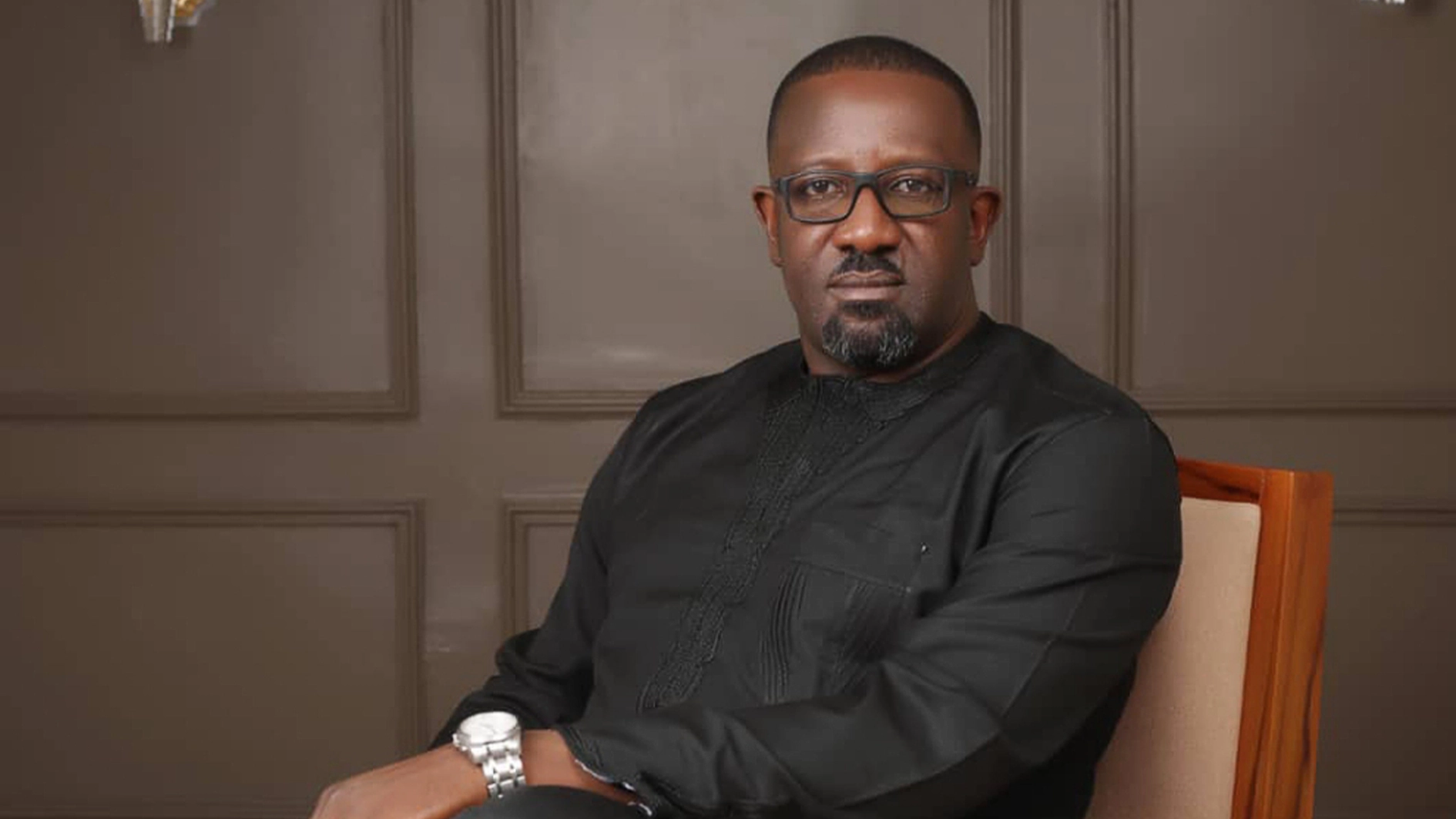
Onoh nevertheless urged the minister to exercise caution in handling politically sensitive disputes in the capital.
Turning to the current disagreement, Onoh said APC governors were concerned about the potential consequences of supporting a coalition that seeks Tinubu’s re-election while allowing participating political parties to field candidates against the APC elsewhere.
The Progressive Governors Forum has said its members will support the President alongside APC candidates at all levels in the 2027 elections.
Onoh said that position reflected concerns about party cohesion rather than opposition to Tinubu’s re-election.
He also referred to Wike’s long-running political dispute with Rivers State Governor Siminalayi Fubara and the FCT minister’s 2024 warning that he would “put fire” in the states of PDP governors who interfered in Rivers politics.
Onoh said those episodes had contributed to apprehension among some political actors about Wike’s confrontational approach.
He further claimed that Wike’s Rainbow Coalition could become a source of internal tension if it sought support for Tinubu while opposing APC candidates in other elections.
Onoh also speculated that the coalition could eventually serve Wike’s longer-term political ambitions, although he provided no evidence establishing what office the minister might seek after 2027.
“The presidency is fast approaching a definitive crossroads,” Onoh said.
“No administration can successfully govern or secure a national mandate by alienating the formal party executives and governors who command the legal machinery of our ruling party.”
He argued that the Presidency would eventually have to clarify the relationship between the APC’s formal structures and political groups mobilising separately for Tinubu.
Wike, however, has rejected suggestions that he sought an alliance with the Progressive Governors Forum.
The FCT minister said he had never approached the APC governors to join his Rainbow Coalition and maintained that his political commitment was specifically to Tinubu’s re-election.
Wike has also argued that politicians belonging to other parties can support the President while their respective parties continue to field candidates in governorship and legislative elections.
Onoh nevertheless urged Tinubu and APC leaders to consider what he described as the longer-term consequences of competing political structures ahead of the 2027 elections.
He said the party should ensure that efforts to attract cross-party support for the President do not undermine APC candidates or create uncertainty among its members.
“Nyesom Wike’s political history shows that he is a master of tactical disruption,” Onoh said.
“As he confronts our progressive governors across party lines today, we must look past the immediate noise.”
He called on the ruling party to prioritise its institutional cohesion as political activities ahead of the 2027 general elections intensify.

