 Follow Us on Google News



 Follow Us on Google Discover
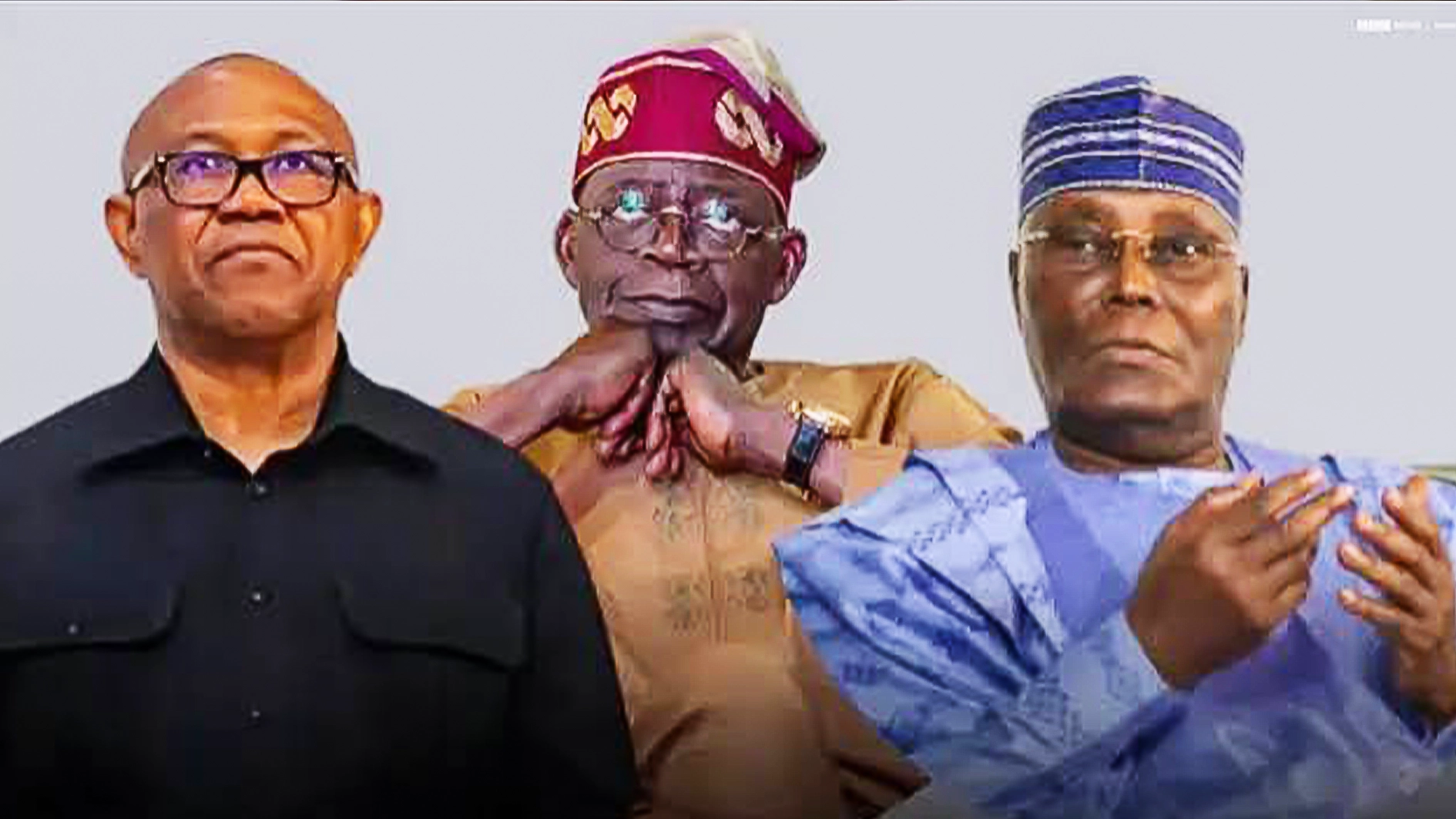
Opposition disunity and competing political ambitions could give President Bola Tinubu an advantage in the 2027 general elections, Russian political analyst Valentin Bianki has warned.
He said public dissatisfaction with the government would not automatically translate into an opposition victory without effective organisation and voter mobilisation.
Bianki spoke on Monday in Abuja while presenting his book, “Politics in Nigeria: Elites and Voters”, at the Shehu Musa Yar’Adua Centre.
He drew lessons from the 2023 elections to explain how political alliances, voter behaviour and opposition fragmentation could shape the next presidential contest.
“From ancient Rome till now, you have to split the opposition. And they succeeded; or rather, the opposition failed to unite,” he said.
The political psychologist and campaign strategist argued that opposition parties needed to overcome their differences and build a credible electoral platform if they hoped to challenge the ruling All Progressives Congress (APC).

He also pointed to Tinubu’s expanding political base as a major factor in the coming contest.
According to Bianki, the APC had increased its number of governors from 20 in 2023 to 31, strengthening the president’s network of political allies.
“President Bola Tinubu has succeeded in building a strong elite coalition,” he said.
Bianki, however, cautioned that the president’s political advantage did not guarantee re-election. He noted that incumbents faced pressure from voters who expected visible improvements in their living conditions.
“Re-election is always very difficult for an incumbent. People still expect a miracle. Government should rapidly address the country’s many problems,” Bianki emphasised.
He said the opposition also faced the challenge of reconciling competing ambitions among prominent politicians, particularly over who should lead a coalition and which region should produce its presidential candidate.
Low voter turnout could further affect the outcome. Bianki cited the 26.7 per cent turnout recorded in the 2023 presidential election, arguing that opposition parties could not rely on public dissatisfaction without persuading supporters to vote.
His research examined 5.9 million Twitter accounts and 2.3 million tweets during the 2023 campaign. Although Peter Obi dominated online political conversations, he finished third in the election.
Nine of the 12 opinion polls published during the campaign predicted an Obi victory, Bianki said, illustrating the gap between online engagement and actual voting patterns.
“One of the sad stories of the last election is that almost all polls, nine of the twelve published ones, predicted Obi’s victory,” he said.
He argued that online popularity could not replace grassroots organisation and effective mobilisation.
Bianki also identified young voters as a potential force in 2027, estimating that up to 10 million additional young people could become eligible to vote. He said parties that organised and mobilised them effectively could influence the election.
The analyst warned that young people’s frustration with established political leaders could also fuel wider protests if confidence in the political system deteriorated.
Against this backdrop, recent disagreements among opposition parties have raised questions about whether efforts to build a common front can overcome individual ambitions.
The G-100 initiative, led by former APC National Vice Chairman Salihu Lukman, has held consultations with opposition parties, seeking greater cooperation ahead of the election.
Its August 31 summit laid the groundwork for a framework to coordinate their activities, but disagreements over candidate selection and the nature of cooperation remain.
The latest tensions involve the African Democratic Congress (ADC) and the Nigeria Democratic Congress (NDC), particularly over calls for Atiku Abubakar to step aside in favour of Obi.
The ADC has said the G-100 discussions focus on electoral cooperation, including protecting votes, and are not necessarily intended to produce a single presidential candidate.
G-100 convener Lukman, however, has maintained that opposition parties need to negotiate a common front if they are to avoid repeating the fragmentation of 2023.
Bianki said his analysis was independent and did not represent the official position of Russia. He expressed hope that Nigeria would preserve democratic competition without undermining national stability.
“I hope your country will preserve stability without sacrificing democracy, and the other way round: preserve democracy without sacrificing stability,” he said.

