 Follow Us on Google News
 Follow Us on Google Discover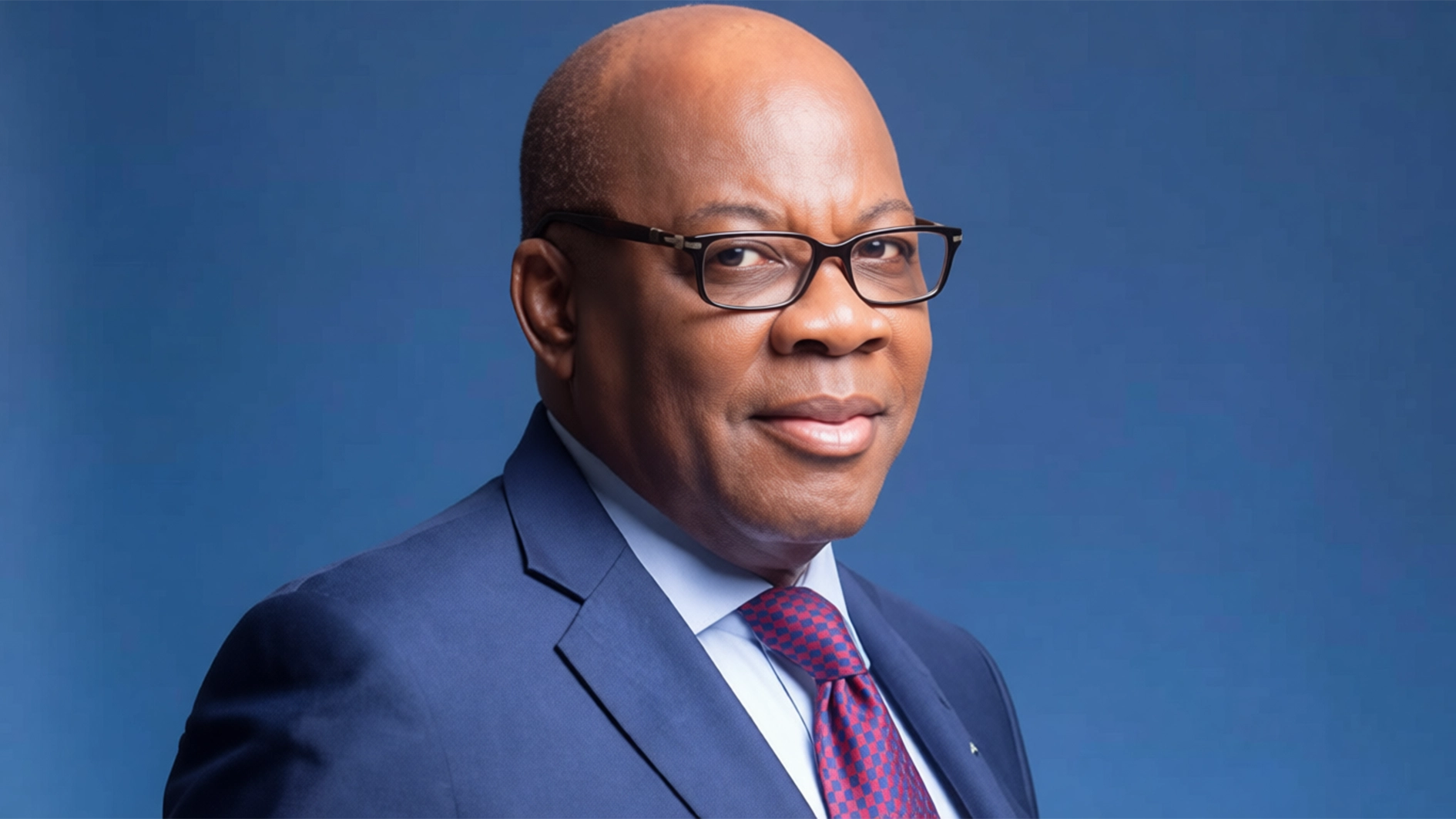
Human rights lawyer and Senior Advocate of Nigeria, Olisa Agbakoba, has criticised opposition parties in the country, describing them as weak and lacking the ideas required to effectively challenge the current administration.
Agbakoba said it would be “the easiest country to take” politically if opposition leaders focused on real issues affecting Nigerians rather than ceremonial appearances and internal wrangling.
Speaking on Wednesday in Lagos on the state of the nation’s politics ahead of the 2027 general elections, the former Nigerian Bar Association president argued that defections from opposition parties to the ruling All Progressives Congress (APC) reflect deeper structural failures within the opposition.
“It’s like me saying my wife is taking another man. Who do I hold responsible? It’s my wife. So if governors are leaving an opposition party and going to the APC, who is to be blamed? It’s the party they are leaving,” he said.
According to him, opposition politics in Nigeria has failed to engage citizens on substantive policy alternatives that could sway public opinion.
“All I see opposition parties do is attend weddings and funerals. There are many serious issues in this country to talk about in order to win over Nigerians, but nobody is hitting the big issues,” he said.

Agbakoba lamented the absence of ideological clarity and issue-based campaigns, noting that successful political movements elsewhere were built on strong policy messaging. He cited former British Prime Minister Margaret Thatcher as an example of how clear, relatable economic messaging helped galvanise voters.
“Tell Nigerians what you will do differently. Engage them house to house. Connect your ideas to their daily struggles. That’s politics. That’s not happening here,” he said.
He maintained that Nigeria’s numerous challenges — including insecurity, economic hardship and the plight of internally displaced persons — present clear grounds for robust opposition engagement.
“Nigerians are waiting for someone who can cure the situation. This is the easiest country to take if you know what to do. But you must be organised and you must campaign on issues,” he added.
On security, Agbakoba questioned whether the country’s challenge lies in capacity or in the absence of a modern security architecture, arguing that the effective use of intelligence and technology could significantly curb terrorism and banditry.
He also linked weak political competition to flaws in the electoral process, reiterating his call for reforms, particularly statutory backing for the electronic transmission of results to enhance transparency and reduce post-election disputes.
According to him, until the electoral system becomes more credible and transparent, quality individuals will remain reluctant to participate in politics.
Calling for a shift ahead of 2027, Agbakoba urged opposition politicians to abandon what he described as “complaint-driven politics” and instead develop concrete, issue-based platforms that convince Nigerians they are ready to govern.
“Campaign. Connect with the people. Raise the big issues. That is how you win power,” he said.

