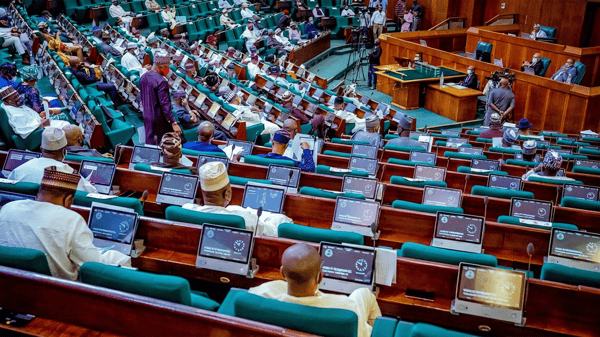
The House of Representatives Committee on Treaties, Protocols and Agreements has initiated an investigation into all bilateral and multilateral treaties, memoranda of understanding, and foreign-funded contracts entered into by Nigeria, citing concerns over sovereignty, debt exposure, and economic security.
The Chairman of the Committee, Rep. Rabiu Yusuf, told journalists on Wednesday that the review is part of the House’s constitutional mandate to examine agreements affecting the country’s national interest. “This review is not political,” he said. “Our mandate is clear: to examine all bilateral and multilateral treaties, protocols, agreements and foreign-funded contracts Nigeria has entered into and determine whether they protect or endanger the national interest.”
The Committee raised concerns over weak oversight in treaty-making, noting that several agreements contain “hidden obligations, sovereignty waivers, unfavourable arbitration clauses or financial risks unknown to Nigerians.”
It also highlighted that foreign-funded infrastructure contracts, especially those involving foreign companies, require scrutiny regarding value for money, loan exposure, local content compliance, performance, and adherence to environmental and labour standards.
“Nigeria cannot afford treaties that weaken our legal authority, compromise national assets, or burden future generations with unsustainable liabilities,” the Committee warned.
It stressed that the exercise would ensure compliance with Section 12 of the 1999 Constitution, which requires legislative approval for treaties to have the force of law, while strengthening Nigeria’s negotiation capacity and proposing a national framework for treaty oversight and digital tracking.
Explaining the relevance of the investigation to citizens, the Committee said treaties directly affect job creation, trade, taxes, infrastructure development, and foreign investment, adding that poorly negotiated agreements could deepen debt and threaten strategic national assets. “Our goal is simple: Nigeria must never sign what it cannot defend,” it said.
As part of the investigation, letters requesting relevant documents will be sent to federal ministries, departments and agencies, regulatory bodies, state governments, Chinese firms and other foreign contractors, diplomatic missions, banks, and financial institutions.
A nationwide public awareness campaign will also be launched to inform Nigerians of the Committee’s mandate. Service Management Consultancy Nigeria has been engaged as the Committee’s technical consultant to provide forensic, legal, financial, and technical expertise.
The Committee warned that non-compliance by MDAs or foreign companies would attract sanctions under Sections 88 and 89 of the Constitution. It outlined a roadmap involving document collection, verification, forensic risk assessment, legal review, stakeholder hearings, field inspections, and the presentation of a final report to the House.
“This investigation will be thorough, professional, non-partisan and guided strictly by evidence,” the Committee assured. “Nigeria will no longer sign unfavourable agreements in darkness.
This Committee will shine the light, protect our sovereignty, and ensure every treaty reflects the dignity and future of our nation.”