 Follow Us on Google News
 Follow Us on Google Discover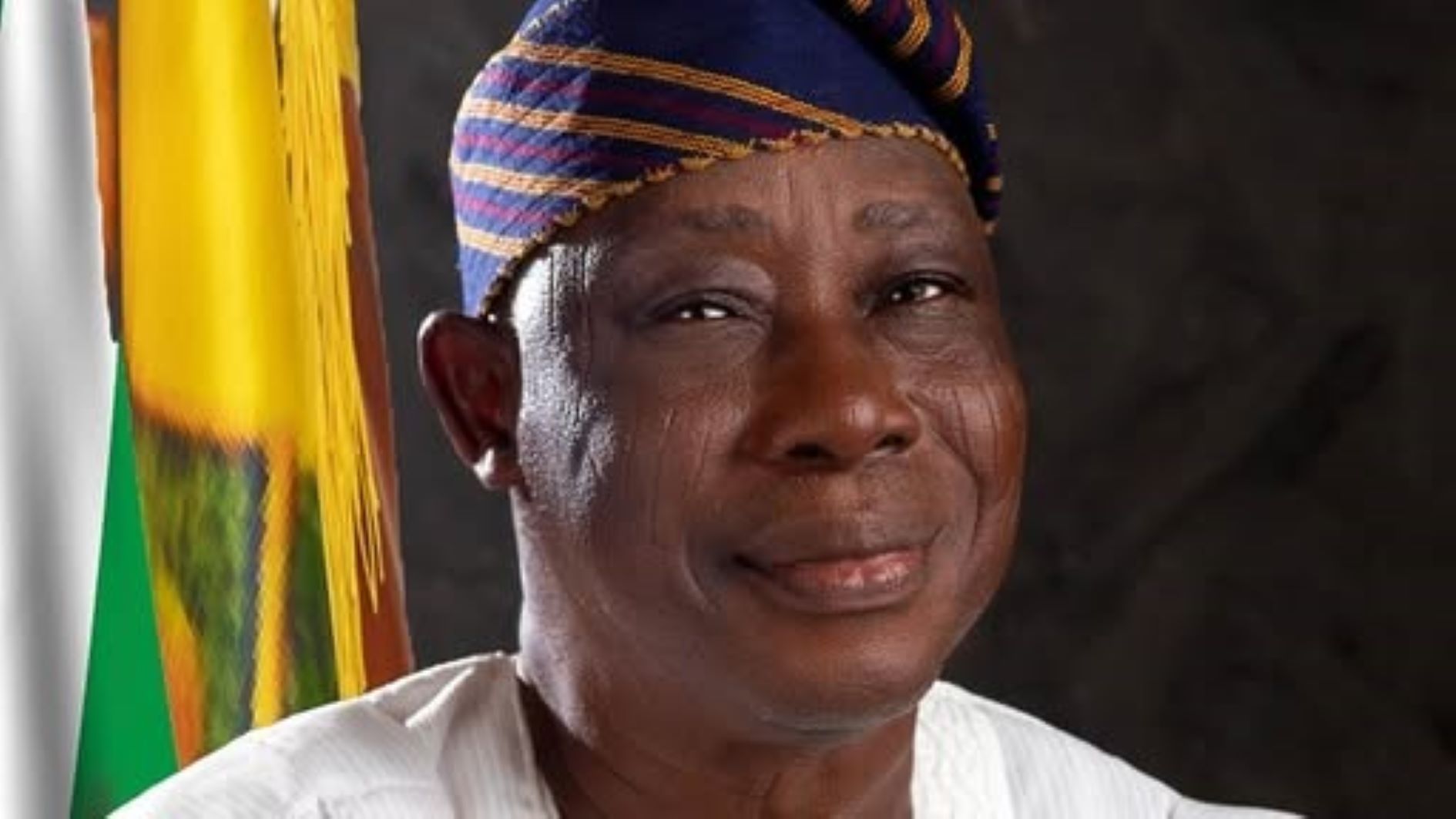
By Jelilah Bilal
Deputy Governor of Oyo State, Bayo Lawal, has said that Nigeria’s greatest challenge 27 years after returning to democratic rule remains a persistent leadership crisis that has weakened public trust, undermined governance and stalled democratic progress.
Delivering a lecture titled, ‘Twenty Seven Years of Democracy in Nigeria: Any Lessons Learned in Leadership and Governance?, at the 2026 Independence Hall Distinguished Alumni Lecture held at the University of Ibadan, Lawal argued that the country’s democratic problem is not the absence of constitutional structures or regular elections but the failure of leaders to embrace service, accountability and moral authority.
He warned that while political power may secure public office, only responsible leadership can secure a nation. He maintained that the willingness of leaders to serve rather than dominate, alongside citizens’ commitment to demand accountability, would determine whether Nigeria’s democracy ultimately fulfils its promise.
Examining Nigeria’s democratic journey since the advent of the Fourth Republic in 1999, Lawal acknowledged that the country had recorded its longest uninterrupted period of civilian rule through successive elections, constitutional governance and expanded civic freedoms. However, he argued that governance had failed to evolve at the same pace, blaming weak implementation of policies, declining public trust and the erosion of ideological politics for the country’s democratic shortcomings.
According to him, political parties have increasingly become vehicles for electoral contests, elite negotiations and power acquisition rather than platforms for ideas and policy direction, while the growing wave of defections by politicians into the ruling party reflects political opportunism instead of principled disagreement. He warned that the concentration of political power in one party could weaken democratic competition and create structural advantages capable of undermining electoral fairness.

Lawal also expressed concern over what he described as the judicialisation of politics, warning that increasing court intervention in internal party affairs risks undermining the independence of the judiciary and eroding public confidence in democratic institutions. He recommended that the judiciary should be insulated from political interference to preserve its credibility and constitutional role.
The deputy governor maintained that leadership, rather than constitutional deficiencies, remains the defining challenge confronting Nigeria’s democracy, stressing that many political office holders continue to mistake power for genuine authority. While power enables leaders to compel action, he said authority is earned through integrity, trust and selfless service, insisting that democracy can only thrive where governments consistently respond to citizens’ needs and inspire public confidence.
Lawal further criticised the abuse of the Federal Character Principle, arguing that provisions intended to promote national unity had in some instances been exploited to advance patronage and sectional interests instead of fostering inclusion.
He also cited Oyo State’s investments in road infrastructure, primary healthcare, education, agriculture, workers’ welfare and security as examples of efforts to deliver democratic dividends, noting that the state’s development agenda was designed to improve connectivity, strengthen healthcare delivery, enhance food security and reduce poverty. According to him, democracy must ultimately be measured by improvements in citizens’ welfare through better public services, economic opportunities and a safer society rather than by the mere conduct of elections.
Lawal identified weak implementation as one of the greatest obstacles to democratic consolidation despite Nigeria possessing governance frameworks comparable to global standards. He listed insecurity, corruption, weak political ideology, youth exclusion, inadequate accountability and electoral shortcomings among the factors hindering democratic progress, while advocating stronger institutions capable of functioning independently of political influence. He said governance becomes vulnerable when institutions such as the civil service, security agencies and the judiciary are weak, arguing that true leadership should focus on building resilient institutions instead of personal political empires. The deputy governor also called for sustained electoral reforms, including amendments to aspects of the Electoral Act 2026 relating to electronic transmission of election results, internal party disputes and election petitions, arguing that credible elections remain fundamental to democratic stability. He added that political parties must restore internal democracy and function as platforms for ideas and sound governance rather than as instruments of elite patronage, while citizens should participate more actively in the democratic process beyond election periods.
While describing Nigeria’s uninterrupted democratic journey since 1999 as a remarkable national achievement, Lawal said resilience alone would not guarantee democratic consolidation unless governance translates into tangible improvements in the lives of citizens. He urged political leaders to prioritise national interest above sectional considerations, embrace accountability, strengthen independent institutions and build a culture of service capable of restoring public confidence in government. He also encouraged citizens to remain actively engaged in governance by demanding accountability from elected officials and participating actively in democratic processes. According to him, Nigeria’s future depends on leaders willing to reform institutions with honesty and courage and citizens determined to ensure democracy delivers improved security, quality education, accessible healthcare and economic prosperity for all.
He added that the country’s democratic future would not be shaped by those occupying public offices alone but also by citizens, particularly young people, who must channel critical thinking, civic engagement and principled leadership into strengthening Nigeria’s democratic institutions.

