
 Get Guardian on Google
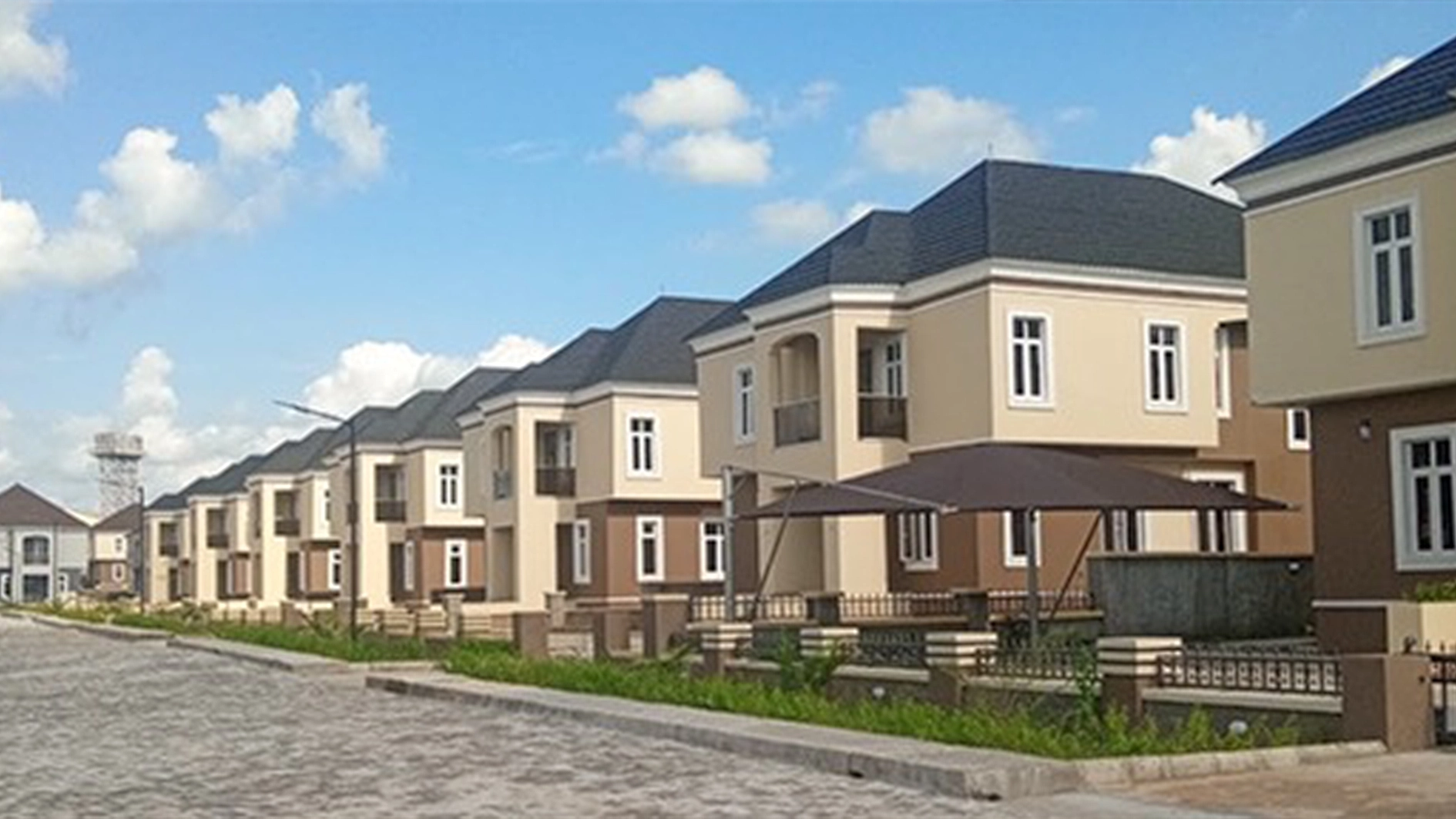
Experts under the International Real Estate Federation (FIABCI), Nigeria chapter, have urged developers, investors and government to prioritise people-centred real estate development to build inclusive and sustainable cities.
They said property development should extend beyond constructing buildings to creating communities that improve living standards, support businesses and promote economic prosperity.
The Nigeria chapter President, Ayodeji Odeleye, made the call at a joint commemoration of World Habitat Day and World Cities Day in Lagos, themed “Beyond Housing: Building Sustainable, Inclusive and Liveable Cities.”
Odeleye stressed the need for responsible investment, community participation and collaboration among built environment professionals, adding that commercial returns must be balanced with fairness and community interests.
He said the success of urban development should be measured by the opportunities created, lives improved and environmental benefits, rather than the number of completed buildings.
He urged stakeholders to translate discussions into policies and partnerships that promote decent housing, viable businesses, environmental protection and equal opportunities.

Odeleye said FIABCI was established in 1951 to rebuild real estate businesses and professional relationships across national boundaries after the Second World War. The federation now has chapters in more than 80 countries, while its presence in Nigeria dates back to 1972.
The Chief Executive Officer of Eximia Realty, Hakeem Ogunniran, called for land reforms, strategic partnerships and innovative housing finance to address Nigeria’s housing deficit, estimated at between 15 million and 30 million units.
He identified fragmented land administration, high construction and financing costs, regulatory bottlenecks and limited access to titled land as major obstacles to housing delivery.
Ogunniran urged the government to shift from direct housing construction to creating an enabling environment for private developers, financiers and other investors. He called for reform of the Land Use Act 1978, which he said complicates land ownership, property transactions and housing investment.
“We need to unlock institutional capital, particularly pension funds, through properly structured real estate investment products capable of attracting long-term financing.
Stakeholders also need to embrace technology and industrialised construction to move from conventional building methods to manufacturing homes at scale.
“Affordable housing cannot be achieved through market forces alone. Government, developers, financiers and regulators must collaborate to provide accessible options, including rent-to-own and social housing schemes,” he said.
The Chief Executive Officer of UPDC Plc, Odunayo Ojo, called for development models that balance social needs, environmental protection and commercial returns.
He urged developers to consider communities’ cultures, traditions, history and demographics when designing housing projects, while adopting environmentally resilient designs and conserving resources.
Ojo said homes must remain affordable and financially sustainable, while providing developers with returns capable of attracting investment.
The Project Director, Arctic Infrastructure, Dr Lookman Oshodi, urged government to strengthen public-private partnerships and invest in climate-resilient infrastructure, particularly in Lagos.
He said private sector financing and expertise could expand affordable housing delivery, while urban green strategies would help reduce flooding and rising temperatures.
Oshodi identified the proposed Affordable Housing Development Fund and Mass Income Housing Bill as potential instruments for mobilising finance and improving access to decent homes for low- and middle-income earners and vulnerable groups.
The Senior Technical Adviser and Head of Sub-office, United Nations Human Settlements Programme (UN-Habitat) Nigeria, Dr Okafor Christian, called for integrated land management and housing policies to address the housing deficit, rapid urbanisation and the needs of internally displaced persons (IDPs).
He said housing delivery should combine shelter with access to land, basic services and economic opportunities, rather than focus solely on physical structures.
Christian urged the government to integrate displaced persons into existing communities instead of relocating them to isolated settlements far from jobs and essential services.
He said integration would improve their access to livelihoods and public services while allowing them to contribute to local economies.
Christian also warned that population growth and pressure on limited land were intensifying farmer-herder conflicts, gentrification and other land disputes. “Sustainable housing delivery must begin with resolving land challenges and ensuring that development decisions promote inclusive, connected and economically productive communities,” he said.