 Follow Us on Google News


 Follow Us on Google Discover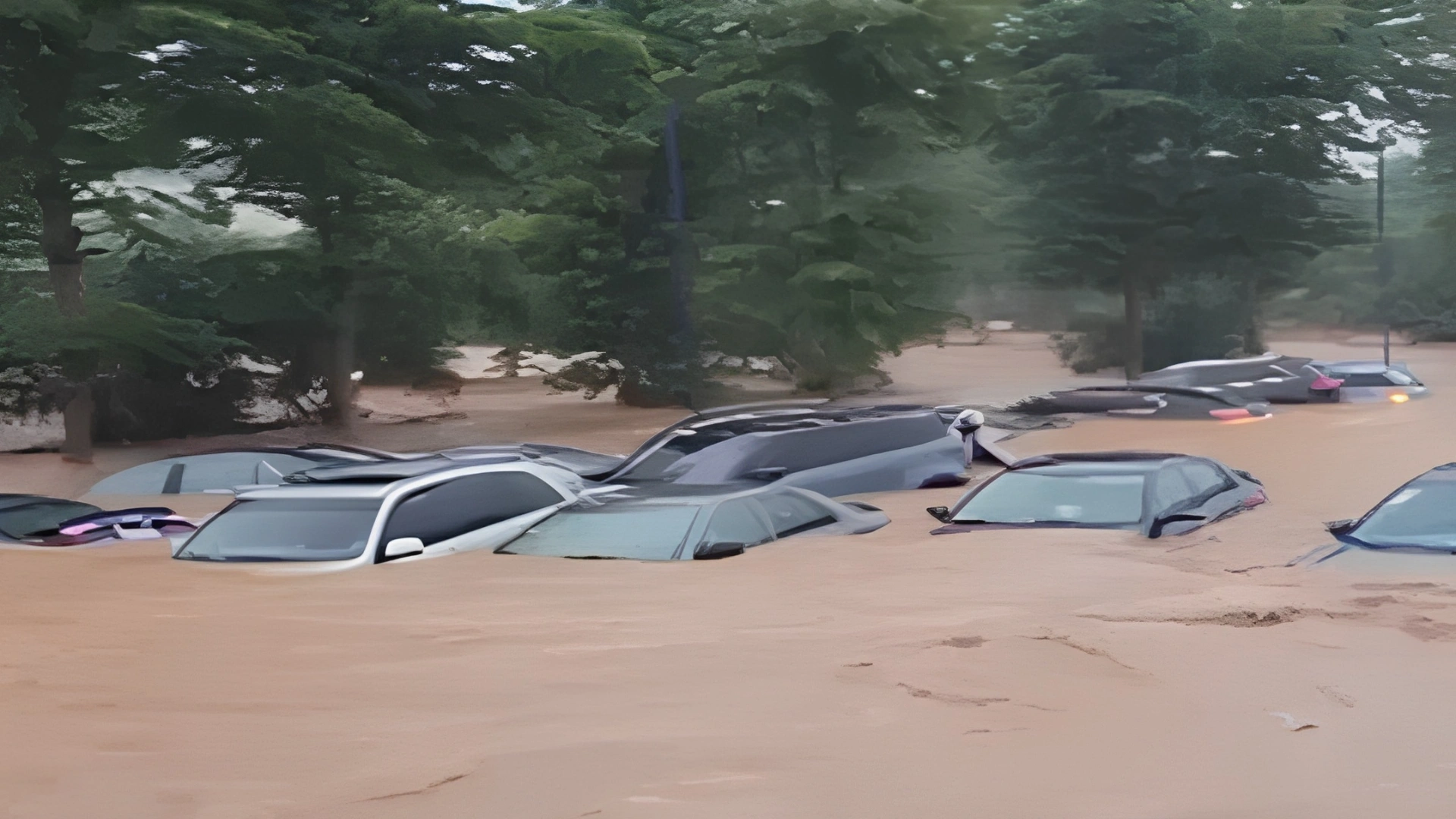
A group, Nigerian Environmental Society,NES,has decried the perennial flooding crisis in Abuja, describing it as disaster in the Territory, and called for legislation, public awareness and strong institutional frameworks to track environmental indicators for evidence-based policy.
Besides, it regretted that the persistent annual flooding has taken a new different dimension this year in districts like Lokogoma, and Lugbe known to have flood challenges in the past, it has increased to Gudu, Garki, Utako, Maitama, Wuse and others.
Its National President, Dr. Efegbidiki Okobia in a brief with journalists in Abuja, stated that the nation’s capital is facing waste and flooding crisis, blaming the disaster on systems failure in the Federal Capital Development Administration.
Okobia added, “Abuja is the first, and the only current capital city that is painstakingly, and properly designed in Nigeria that meets the standards of other developed cities in Europe, America. We’re calling on the relevant authorities to find solution to the floods in our cities.”
According to him, the narrative is centred on blocked drainage channels, water collectors along road corridors,refuse disposal in the drainages, and other related factors like,building on drainage pipelines and the conversion of greenery and floodplains to residential settlements.
“We would not agree that the green areas (gardens, parks, buffer zones, transport corridors, etc.) are disappearing. Yet, there is green areas, gardens, etc which are distortions from the original master plan that the blame should not be on the FCT Minister alone but on the failure of professionals.”

Similarly, the NES President argued, “In a summary, it has become a national disaster, and complete system failure. Town planners, engineers, land Surveyors, administrators, etc must advise the Minister of the FCT on the issue.”
He therefore admitted that there are climate change issues across the country, and national data are lacking or not readily available for analysis and planning of our cities. So, you see the challenges.
“There must be a system overhaul before things can work properly. Nigeria don’t have Greenhouse Gas (GHG) Inventory registry. In a nutshell, climate change is a pointer to anthropogenic activities over the years causing negative impacts on the human environment that has to be mitigated.”
He however,hinted, “As a society, we are working on a document called the Nigerian Environmental Outlook to give an overall environmental status of Nigeria. We think this may be the right solution for now. It would give pictorial and scientific information about the country.

