 Follow Us on Google News
 Follow Us on Google Discover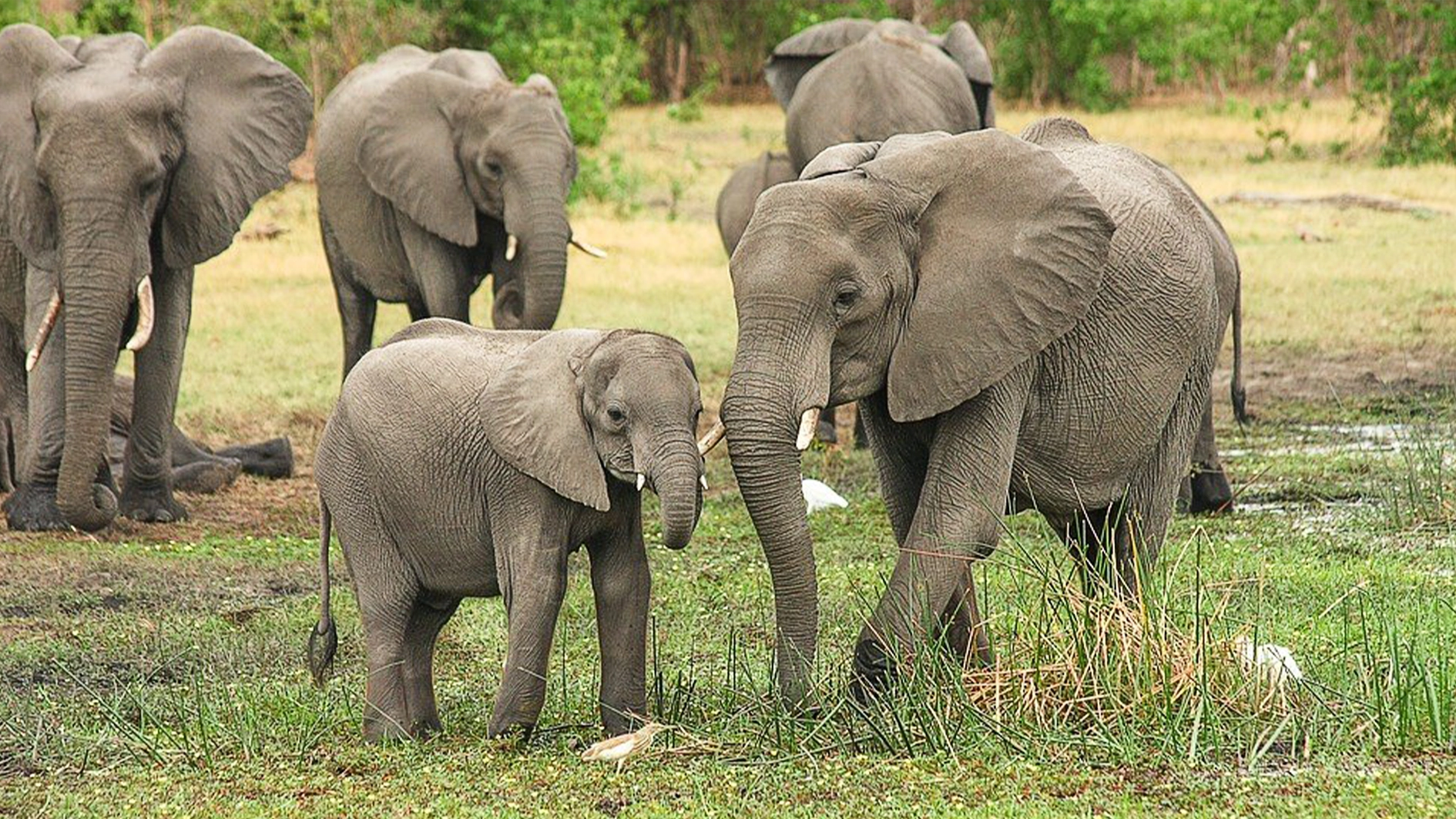
Conservationists have warned that continued habitat fragmentation, illegal wildlife trade and human-elephant conflicts are placing Nigeria’s remaining elephant population at serious risk, with implications for biodiversity, tourism and local livelihoods.
They stressed the need for stronger legal enforcement, improved protection of elephant habitats and a shift in public attitudes towards wildlife products to ensure the survival of Nigeria’s remaining elephant population.
The conservationists spoke during a virtual media briefing organised by Wild Africa in partnership with the Nigerian Conservation Foundation (NCF) to mark World Elephant Day, the theme ‘Giants of the Wild: Why Saving Nigeria’s Remaining Elephants Means Protecting Our Natural Heritage.’
They estimated that only about 400 elephants remain in the country, comprising roughly 300 forest elephants and 100 savannah elephants, and called for stronger enforcement of wildlife laws, public enlightenment and partnerships between government agencies, conservation organisations and the private sector.
They said Nigeria’s remaining elephant populations are largely confined to protected landscapes such as Yankari Game Reserve, Gashaka-Gumti National Park, Omo Forest Reserve and parts of the Cross River landscape.
The West Africa Representative of Wild Africa, Dr Mark Ofua, said habitat fragmentation and hunting were among the major threats facing the country’s remaining elephants.

Ofua clarified that the primary threat was not the bushmeat trade, but the illegal black-market trade in elephant tusks, retaliatory killings following conflicts over crop destruction and accidental injuries from snares set for other wildlife.
He described elephants as “tenders of the forest,” saying they play an important role in maintaining forest health, supporting biodiversity and creating ecological conditions that benefit other species and human communities. “Conservation is not just about a love for animals but a necessity for human survival,” Ofua said.
He explained that elephants are an umbrella species, arguing that their disappearance would indicate a wider deterioration of forest ecosystems.
According to him, the loss of elephants could have consequences for biodiversity, carbon storage and human welfare, while also undermining Nigeria’s prospects of developing wildlife tourism as a source of jobs and economic opportunities for local communities.
Ofua urged greater private-sector investment in conservation, saying environmental protection should be regarded as part of corporate responsibility rather than charity.
He suggested that companies could support individual rescued elephants as part of broader conservation initiatives and demonstrate their commitment to protecting biodiversity.
He said iconic species such as elephants contribute to ecosystem stability by dispersing seeds, fertilising land and creating conditions that support other forms of life.
“The loss of these species would trigger a ripple effect, leading to the disappearance of numerous plant and animal species, which would have negative economic and survival consequences for human populations,” he said.
NCF’s Biodiversity Pillar Lead, Dr Stella Egbe, said reducing habitat fragmentation was central to addressing the growing conflict between elephants and surrounding communities.
She explained that forest elephants move across state and national boundaries, including between Nigeria, Benin and Cameroon. Savannah elephants, she added, are mainly found in Yankari Game Reserve in Bauchi State.
Egbe said stronger collaboration between conservation organisations and the private sector was needed to close funding gaps and improve protection of wildlife habitats.
She noted that private-sector partnerships were gradually evolving from traditional charity towards corporate social investment, citing NCF’s collaborations with companies such as Chevron and MTN.
Egbe said the foundation was also advocating policies that would require private organisations to mitigate the environmental impacts of their operations.
To reduce human-elephant conflicts, she recommended practical measures including the use of noise deterrents, beehives and chilli fences to keep elephants away from farms and other human-dominated areas.
She, however, expressed concern that insecurity, including banditry and the proliferation of sophisticated weapons, was limiting the ability of conservationists to manage protected areas and conduct research.

