 Follow Us on Google News


 Follow Us on Google Discover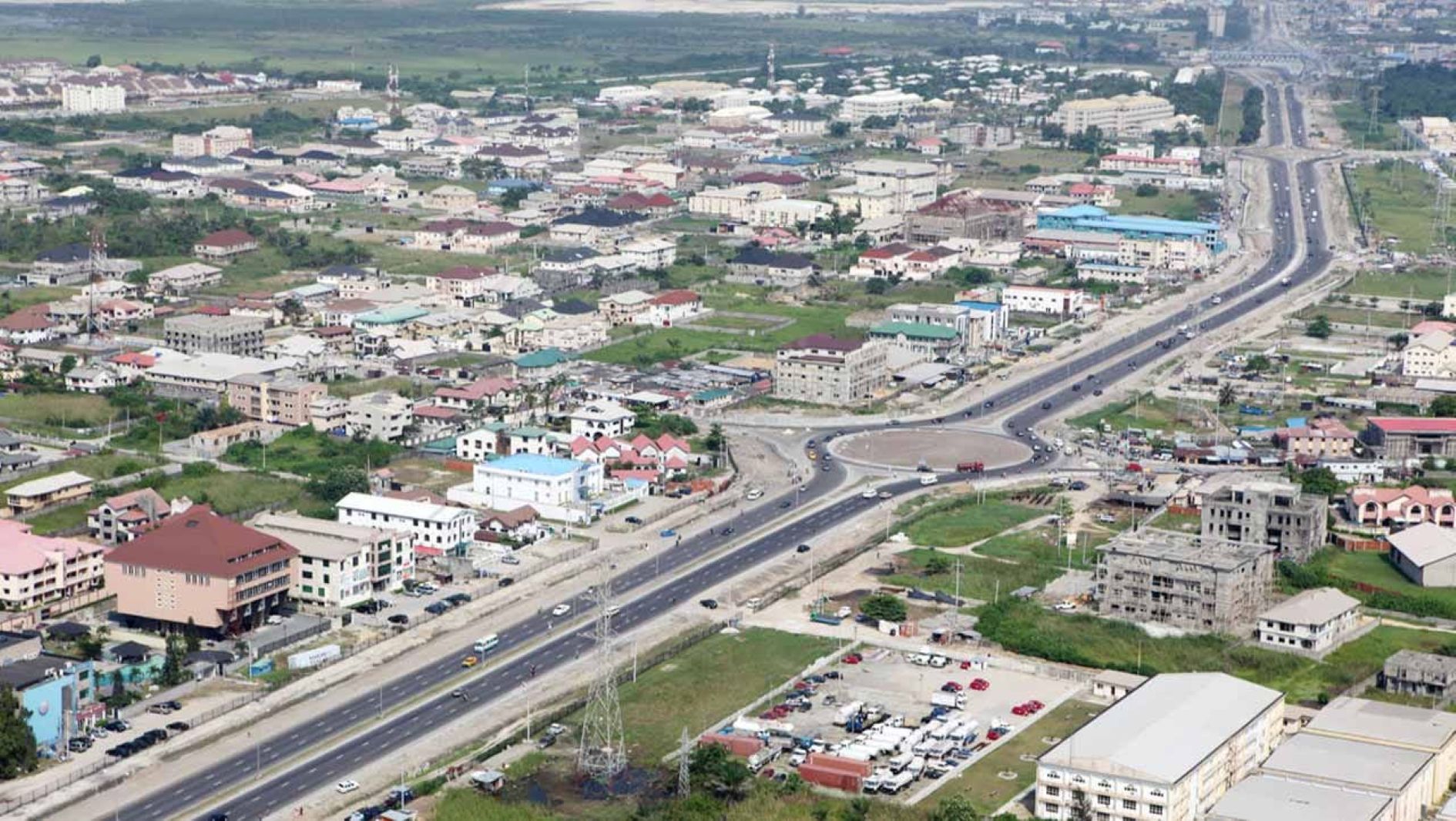
The value of lands along the Ibeju-Lekki–Epe axis has risen by about 35 per cent year-on-year, driven by major infrastructure and industrial investments transforming one of Lagos’ emerging real estate growth corridors.
According to the 2026 Nigeria Real Estate Report by Ubosi Eleh and Company, plots that sold for about N15 million in 2024 now command N25 million or more, reflecting the rapid repricing of land along the corridor.
The report attributed the appreciation to the growing concentration of major infrastructure projects, including the Lekki Deep Seaport, Dangote Refinery, Lekki Free Trade Zone and the Lagos-Calabar Coastal Highway. It noted that the combination of these projects was creating sustained demand for residential, commercial, industrial and logistics properties.
The Lagos-Calabar Coastal Highway has further accelerated the transformation. The first 47-kilometre section runs from Ahmadu Bello Way in Eko Atlantic to Eleko Village. The Federal Government temporarily opened 30 kilometres of the section to traffic in December 2025, with the full stretch targeted for completion in 2026.
Ubosi Eleh reported that land values within five kilometres of the coastal highway appreciated by between 25 and 40 per cent between the first quarters of 2025 and 2026, while commercial land around some interchange locations recorded increases of more than 100 per cent. The firm expects the corridor to record further appreciation as accessibility improves and economic activity expands.
The report identified the Lekki Deep Seaport, Dangote Refinery and Lekki Free Trade Zone as complementary infrastructure anchors. Their combined effect is expected to generate demand for housing for workers and professionals, warehouses, offices, retail facilities, hospitality assets and other support infrastructure.

Commercial plots around the refinery complex, according to the report, have appreciated by approximately 25 per cent annually. Ajah also recorded a 45 per cent increase in transaction volume in the 12 months to the fourth quarter of 2025, while developed properties generated gross rental yields of between six and nine per cent.
The report cited Victoria Garden City as an example of the longer-term effect of infrastructure-led development, noting that land values in the estate have risen by about 150 per cent since 2019 following improved road connectivity.
The repricing is not confined to the emerging eastern corridor. Lekki Phase 1, Oniru, Ikeja GRA, Yaba, Surulere, Ikoyi, Victoria Island, Banana Island and Eko Atlantic are also experiencing significant changes in capital and rental values, although the drivers and investment characteristics differ across the sub-markets.
In the mid-market segment, Ubosi Eleh said gross rental yields in areas such as Yaba and Lekki averaged between six and eight per cent in 2025, while selected Mainland locations, including Maryland, Gbagada and Yaba, delivered yields of seven to nine per cent for appropriately priced properties.
Lekki Phase 1 has also recorded substantial capital appreciation. A two-bedroom terrace with a boys’ quarter that sold for between N45 million and N50 million in 2022 was reportedly commanding about N94 million in 2025, representing almost a doubling in value over three years.
The firm projected at least a 10 per cent increase in capital and rental values in 2026, citing constrained premium supply and sustained demand from corporate tenants and professionals as major factors supporting the market.
At the prime end of the market, Ikoyi, Victoria Island, Banana Island and Eko Atlantic continue to attract investors seeking scarce, high-value assets. Apartments in Ikoyi start from about N800 million and can exceed N3 billion for premium new developments, while land in established parts of the district commands more than N1.2 million per square metre.
Victoria Island apartments range from approximately N250 million to N900 million, depending on location, age, specification and services. Gross rental yields vary, with Banana Island generally recording about three to five per cent, Ikoyi four to six per cent and Victoria Island about five to eight per cent, although newer high-specification developments with high service charges can produce lower yields.
The report noted that residential rents across prime Island locations, including Ikoyi, Victoria Island, Lekki Phase 1 and Banana Island, rose by an average of 45 per cent between 2024 and 2025, while vacancy for well-specified properties remained below five per cent.
Eko Atlantic is also strengthening its position as a commercial and residential district, with the relocation of major financial institutions reinforcing its business credentials and generating additional demand for nearby residential properties. Short-let serviced apartments across the prime Island corridor, according to the report, generate between N1.5 million and N3 million monthly, depending on location and specification.
For the Ibeju-Lekki and Epe corridor, however, the attraction is increasingly tied to the interaction between infrastructure, industrialisation and land scarcity. As ports, manufacturing facilities, free-trade activities and major transport infrastructure expand, previously peripheral locations are being incorporated into Lagos’ broader economic geography.
The Principal Partner, Ubosi Eleh and Company, Mr Chudi Ubosi, sees the corridor as a medium- to long-term real estate investment opportunity, although the pace of future appreciation will ultimately depend on infrastructure delivery, planning, title security, development quality and the ability of economic activity to generate sustained occupier demand.
He said the broader market evidence also supports the importance of infrastructure and reliable market data in investment decisions. Ubosi stressed that property decisions should be guided by evidence rather than speculation, while identifying poor documentation, weak regulation and limited access to reliable data as continuing challenges in Nigeria’s property market.

