 Get Guardian on Google
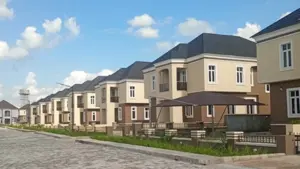
According to estimates cited by the World Bank Group, the WAEMU region faces a housing deficit of about 3.5 million units, with nearly 250,000 additional housing units required annually.
ShafDB said the first phase of its sustainable bond programme would support a pipeline of projects covering 17,554 housing units and create an estimated 87,772 jobs across the region.
The proceeds will be channelled into affordable, sustainable and energy-efficient housing projects.
By denominating the bond in local currency, the bank said the transaction would also reduce borrowers’ exposure to foreign-exchange risks by matching the currency of financing with that of project revenues.
Sustainable finance framework
ShafDB developed its Sustainable Finance Framework in partnership with the Global Green Growth Institute (GGGI) to guide the issuance of green, social and sustainable financing instruments.
The framework received a favourable opinion from S&P Global Ratings, which found it fully aligned with internationally recognised market principles, including the International Capital Market Association’s Green Bond Principles and Sustainability Bond Guidelines, as well as the Loan Market Association’s Green and Social Loan Principles.
The transaction also received approval from the regional financial market regulator, Autorité des Marchés Financiers de l’UMOA (AMF-UMOA), and the Central Bank of West African States (BCEAO).
GGGI Africa Regional Director, Katerina Syngellakis, described the issuance as a landmark demonstration of how African capital markets could mobilise funding for inclusive, low-carbon and climate-resilient development.
She said the framework provided a clear pathway for directing investments towards affordable, resource-efficient housing while strengthening local capital markets and advancing sustainable development.