 Follow Us on Google News
 Follow Us on Google Discover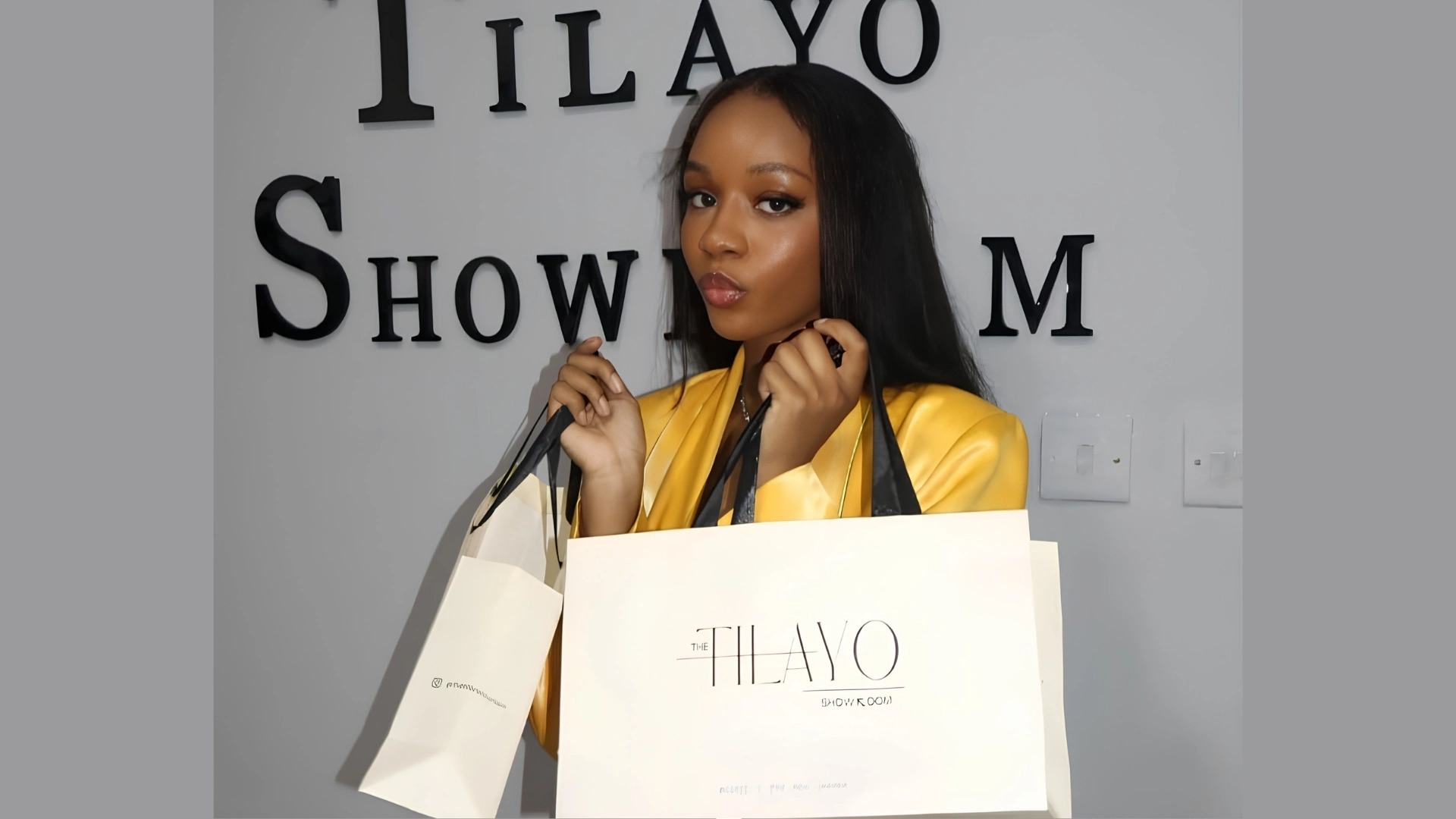
Lola Titilayo is building a Lagos fashion-technology platform on a simple argument: young Africans should be able to experience designer clothing without having to own it. An economics graduate with a background in engineering, she has worked across fashion, finance and the creative industries in London, Paris and New York, and later styled artists in Lagos. That mix of markets, she says, made the gap obvious.
The idea for The Tilayo Showroom came from the fittings themselves. While styling a musician in Lagos, Titilayo found she could locate talented designers and striking pieces, but not an established system for pulling or renting them for shoots and appearances.
“I’ve always believed fashion should be something you can experience, not something you have to own,” she said.
At the same time, prices for both global and Nigerian labels have kept rising. For many young people, buying a designer piece is unrealistic when it may be worn once for a wedding, birthday, party, or event. Titilayo argues that this sits in tension with how young Nigerians already engage with style.
They follow designers closely, save looks on Instagram and TikTok, and treat clothing as part of how they present themselves. What they often lack is a way to participate without spending hundreds of thousands of naira each time.
The Tilayo Showroom is her answer. The Lagos-based platform is built around access rather than ownership, making designer and luxury fashion available for the moments people actually need it, and giving garments more than one life.
Sustainability is part of that brief. Fashion produces large volumes of waste, and Titilayo does not want one-off purchases for every occasion to remain the default.

“Giving pieces more lives through sharing and reuse feels like a small but meaningful shift in how we consume fashion,” she said.
She chose Lagos because the demand was already visible. The city has a young, fashion-conscious generation that attends events, creates content, works in entertainment and builds careers in creative industries.
It is also home to Nigerian designers whose work, she argues, deserves a wider and more practical route to wearers; stylists sourcing for shoots, creatives dressing for events, and people who want a look they love without the full cost of ownership.
“For me, The Tilayo Showroom is ultimately about giving young people more options,” Titilayo said. “I want fashion to feel a little less out of reach.”
Lagos, she added, is where she saw the gap and where she decided to start. The longer ambition is a broader shift in how fashion, ownership and access are understood across Africa.

