 Follow Us on Google News


 Follow Us on Google Discover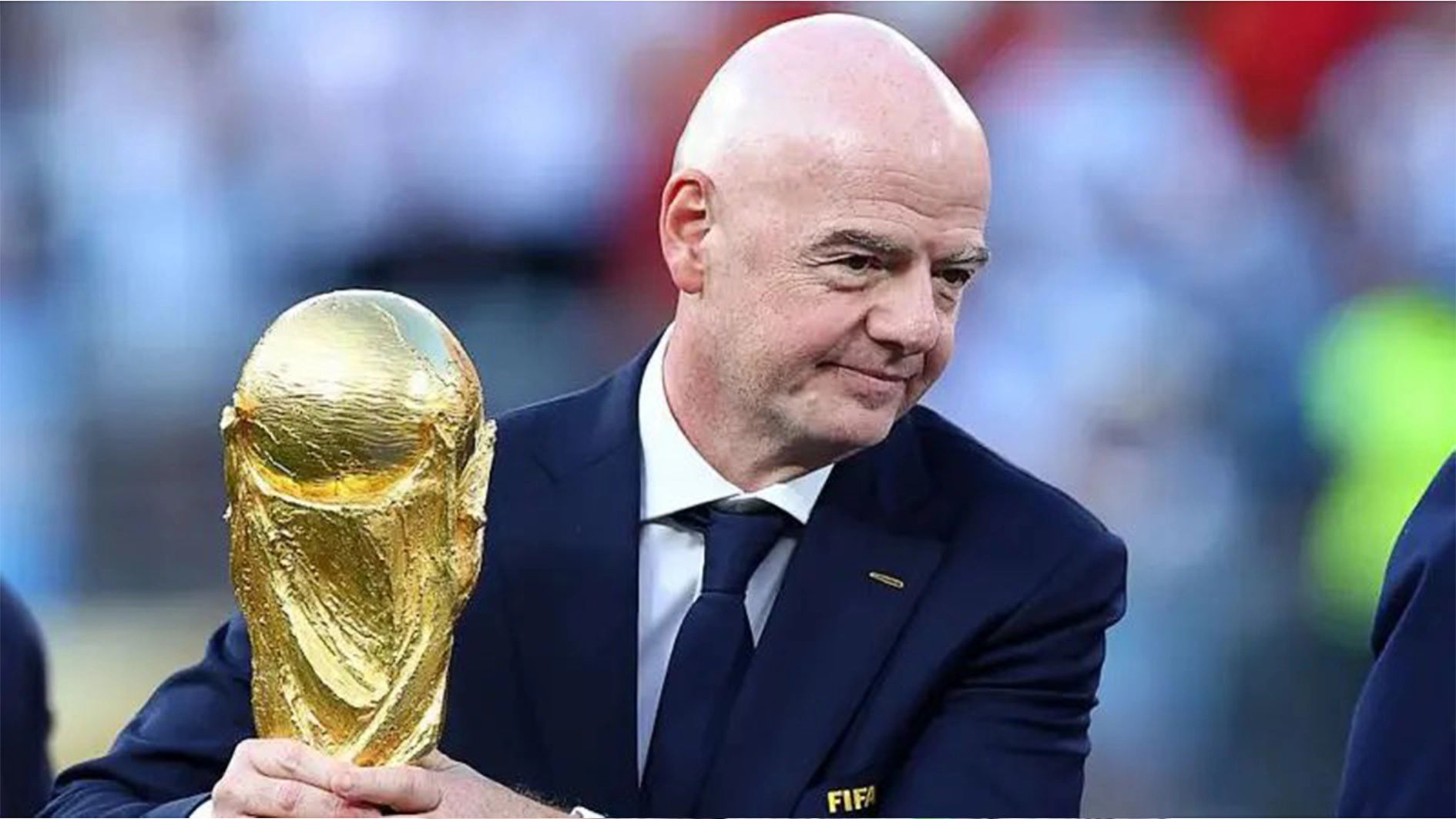
United States-based former Super Eagles player, Paul Okoku, says Nigerians should stop allowing threat of FIFA’s ban to shut down legitimate governance and accountability at home.
The freefall of the nation’s national teams at all level forced Nigerians to call on the Ibrahim Gusau-led Nigeria Football Federation (NFF) to resign with immediate effect to pave the way for a Normalisation Committee being planned by the National Sports Commission (NSC).
But, as usual, some top officials of the NFF and their cronies are crying blue murder saying that FIFA will ban Nigeria if Gusau is not allowed to re-contest in an election fixed for September 27 in Lafia, Nasarawa State.
Okoku, a sports analysist, told The Guardian on Friday that though, FIFA has repeatedly warned Nigeria about interference, statutes and good governance, Nigerians should stop allowing the threat of a ‘FIFA ban’ to shut down legitimate governance and accountability at home.
“National associations, confederation leaders, senior FIFA officials and supporters are questioning transparency and accountability inside FIFA itself, so, Nigerians should stop allowing the threat of a ‘FIFA ban’ to shut down legitimate governance and accountability at home.
“For years, one warning has carried extraordinary weight whenever Nigerian football enters another administrative dispute: “FIFA may suspend Nigeria.” Those words can change the direction of a debate almost immediately.
Questions about an NFF election, government oversight, court action, financial accountability or administrative reform can quickly become arguments about FIFA statutes and the danger of third-party interference.

“Nigeria has legitimate reasons to take FIFA’s rules seriously. It has been suspended before and threatened with suspension when FIFA believed the independence of the Nigeria Football Federation was being violated. That warning is not merely part of Nigeria’s football history. It is already hanging over the September 27, 2026 NFF election.
“As debate intensifies over the electoral process, proposed reforms, court cases and the role of the National Sports Commission, the possibility of a ‘FIFA ban’ is again being invoked whenever stronger oversight or government action is discussed. That is precisely why this moment deserves closer examination.
“If any Nigerian authority unlawfully removes elected football officials or takes direct political control of the NFF, FIFA’s rules on third-party interference remain relevant. Nigeria cannot simply ignore obligations it accepted as a FIFA member. But Nigerians should also reject the idea that every lawful attempt to demand accountability, enforce Nigerian law, examine an electoral process or question the administration of public resources automatically amounts to interference,” he said.
Okoku continued: “And there is now an uncomfortable contradiction that cannot be ignored. At the very moment Nigerians are once again being warned to fear FIFA sanctions, FIFA itself is facing one of the most serious leadership and governance crises of Gianni Infantino’s presidency. Member associations are withdrawing support.
Sweden is demanding new leadership. FIFA vice-presidents are questioning Infantino. Three confederations are discussing whether a no-confidence challenge is possible. Supporters are demanding governance reform. None of that makes FIFA powerless, and none of it cancels FIFA’s statutes. But Nigeria should have enough institutional self-respect to stop behaving as though every domestic disagreement must be carried to Zurich and every mention of FIFA suspension should end the conversation.
“There is something deeply inconsistent about demanding unquestioning deference to an institution whose own members and senior officials are now demanding greater transparency and accountability from its leadership. Before Nigerian football stakeholders rush once again to FIFA with domestic disputes, perhaps we should ask a harder question: Are we using FIFA’s rules to protect football independence — or using the fear of FIFA to protect people and institutions from legitimate accountability?,” Okoku queried.
According to him, past threat by FIFA to ban Nigeria should not be rewritten because ‘FIFA itself is now under pressure’.
“But neither should it become a permanent weapon for frightening Nigerians out of legitimate governance discussions.”
Okoku stated that interference is not the same as accountability.
“Government appointing football officials is not the same as asking how public funds were spent. Politically removing elected officials is not the same as examining whether rules were followed. Taking administrative control of an association is not the same as auditing it.
“And asking difficult governance questions is not automatically an attack on football independence. Nigeria must distinguish between those things.
Otherwise, the warning “FIFA will suspend us” can become a convenient shield whenever uncomfortable questions are raised. The present FIFA crisis demonstrates why accountability should not be treated as dangerous simply because it is directed at people in authority. Nor should every Nigerian football dispute automatically be taken to Zurich.
“Nigeria has laws, courts, NFF statutes, sports authorities and football stakeholders. Those institutions must become strong enough to handle legitimate domestic accountability while respecting international football obligations. FIFA should remain an important governing partner. But FIFA should not become a substitute for Nigeria developing the capacity to govern Nigerian football properly.”
Okoku, an AFCON silver medalist, now a football historian and analyst, said: “We should not recklessly defy FIFA. But neither should we fear FIFA so much that legitimate accountability disappears. Respecting authority is not the same as surrendering the right to question authority.
“Nigeria should understand FIFA’s rules, respect legitimate international obligations and still retain the confidence to ask difficult questions when those questions are justified.”

