
 Get Guardian on Google
• To avoid another lost generation
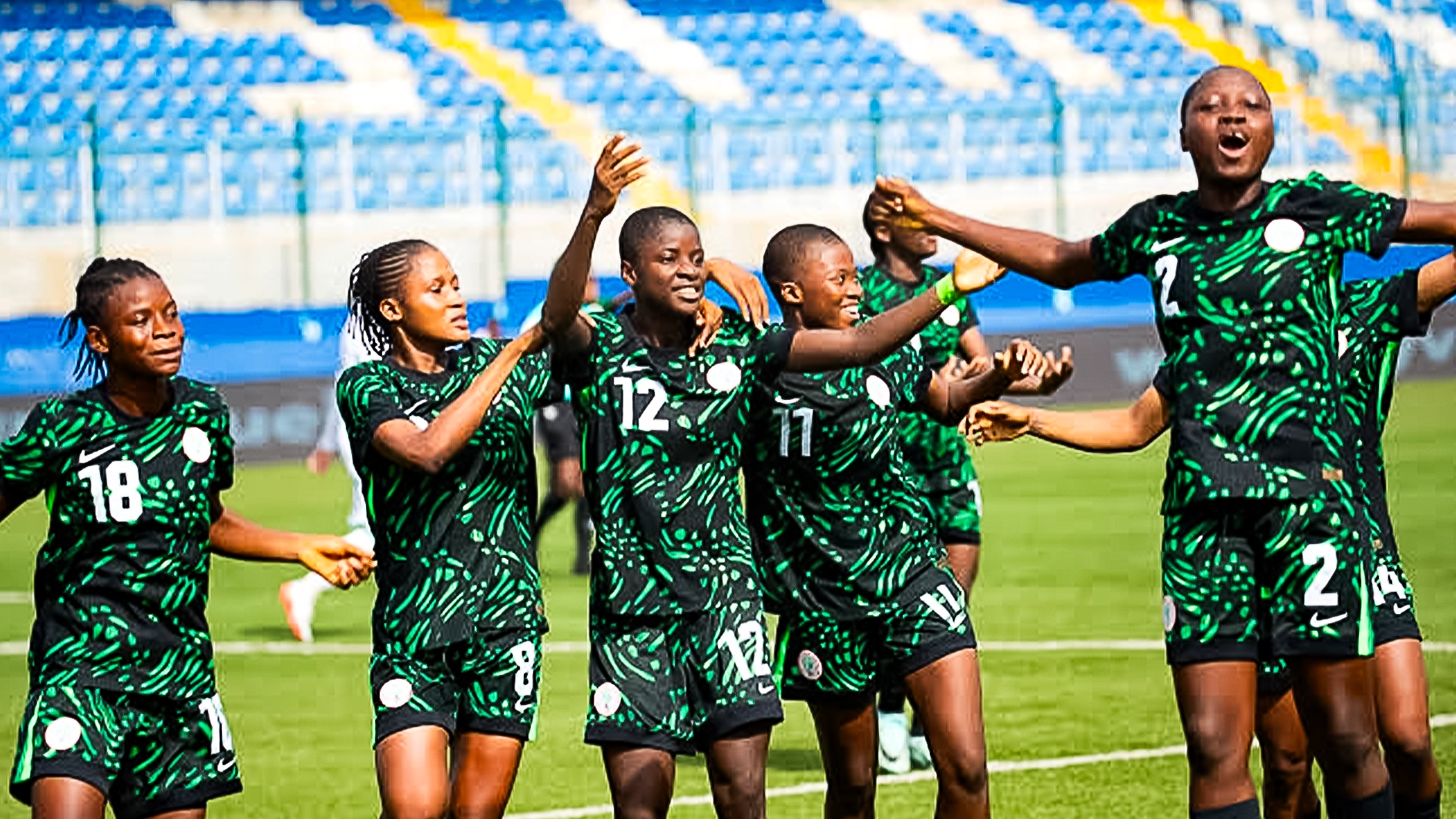
Former Super Eagles defender, Sam Sodje, has called on the National Sports Commission (NSC) and the Nigeria Football Federation (NFF) to urgently put in place a comprehensive development and monitoring framework for members of the victorious Flamingos squad following their triumph at the just-concluded FIFA U-17 Women’s World Cup.
Sodje warned that Nigeria risks wasting the historic achievement if the young players are abandoned after their global success without a clearly defined pathway into professional football.
Speaking with journalists, the former Leeds United and Charlton Athletic defender described the Flamingos’ achievement as incredible but stressed that the real responsibility of football administrators begins after the celebration.
“Incredible achievement, and now is the time to make sure the transition into professional football is guided and monitored. If not, what seems to be a great achievement in a couple of years will be of no benefit to Nigerians, but just many memories,” he said.
The experienced football administrator, who also owns a football academy in Delta State, noted that the present stage of the players’ careers offers an important opportunity to identify, develop and properly guide them towards becoming established professional footballers.
He cautioned that players aged between 16 and 17 are particularly vulnerable to challenges that could derail their football ambitions if adequate institutional support is not provided.
According to him, the risks include exploitation by unscrupulous football agents, distractions arising from sudden fame and financial rewards, inadequate exposure to competitive club football, abandonment of education and family pressures to discontinue their football careers.
Sodje particularly drew attention to the personal struggles of Flamingos captain, Harmony Chidi, whose determination to pursue football reportedly faced opposition from her mother following the early death of her father.
Chidi had disclosed that her mother initially wanted her to abandon football and get married, but the intervention and encouragement of her grandmother and foster father helped sustain her ambition.
For Sodje, such experiences underline the need for deliberate policies that protect young female footballers from social and economic pressures capable of truncating promising careers.
He argued that winning the World Cup should not be treated as the ultimate destination for the players but as the beginning of a carefully managed journey towards international football excellence.
He also called for sustained investment in their education, improved access to quality club football and the maintenance of the squad’s competitive relationship through the next FIFA U-20 Women’s World Cup cycle.
More importantly, he advocated a structured progression from the Flamingos to the country’s U-20 women’s team and ultimately the senior national team, the Super Falcons.
Sodje maintained that with proper planning, professional guidance and institutional commitment, the victorious generation could become a major force in the future of Nigerian women’s football.
However, he warned that failure to establish such a framework could see the country repeat a familiar pattern in which promising young footballers emerge from major international competitions only to disappear from the national football landscape.