 Get Guardian on Google
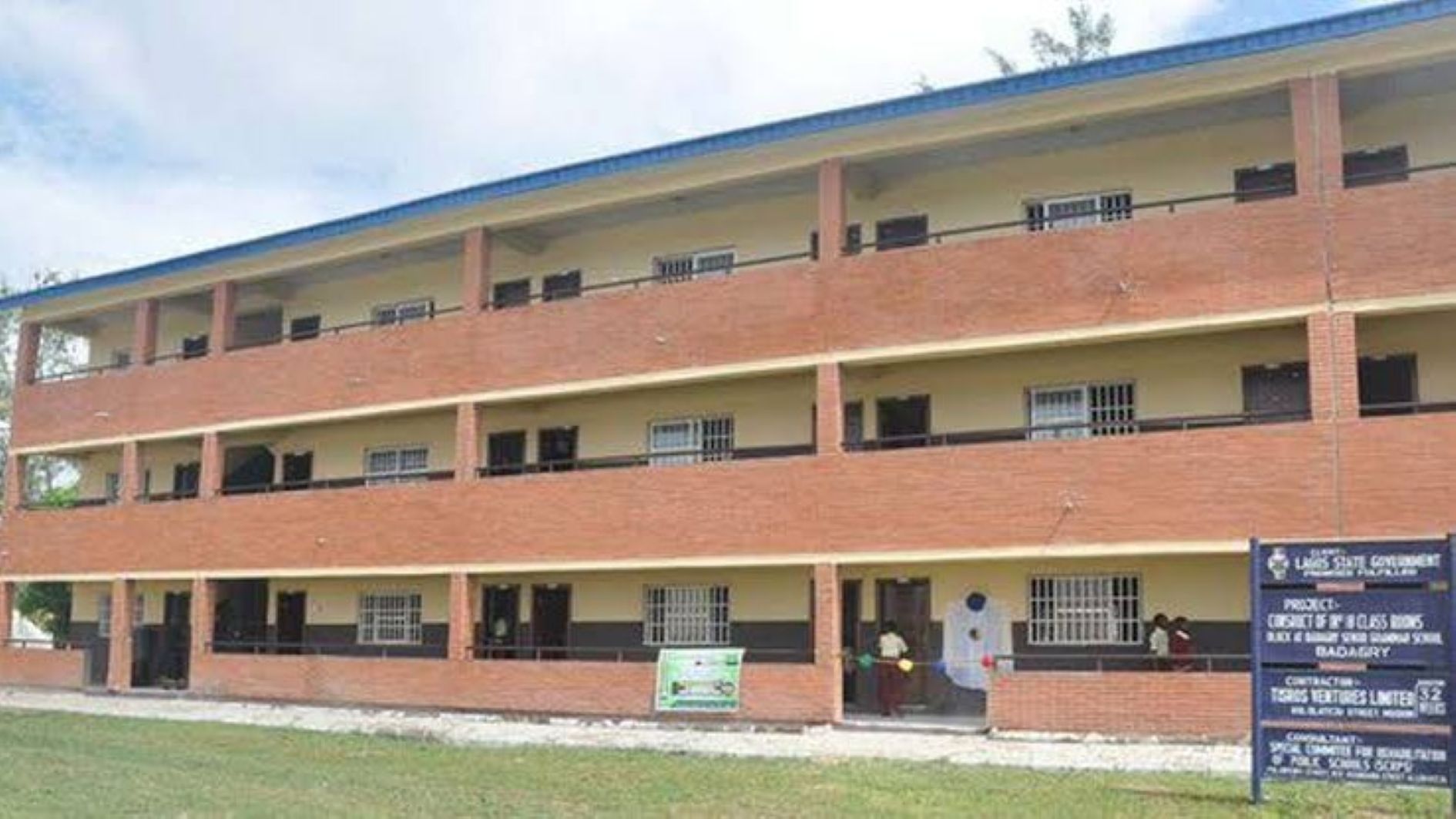
A sustainability education project has reached an estimated 19,673 students across 20 schools in Lagos, Ogun State and Ibadan, using games and practical activities to introduce young people to global development challenges.
The 2026 edition of the SDG Hero Project recorded about 1,043 students participating actively in workshops and related activities, according to its organisers.
Launched in Nigeria by Boke Technology Co. Ltd., a digital entertainment company, the initiative uses an educational board game to teach students about the United Nations’ 17 Sustainable Development Goals (SDGs) and encourage them to explore ways to contribute to sustainable development.
The project is implemented in partnership with Bracken Media Solutions and Adapted Nest, a non-governmental organisation, which support programme delivery and engagement with participating schools.
During this year’s implementation, students took part in interactive gameplay, facilitated workshops and practical sessions, including liquid soap making and tie-dye. The activities combined sustainability education with creativity and hands-on learning.
organisers said the project engaged 50 volunteers and deployed 150 SDG Hero game boxes across the participating schools. Some students reportedly asked the team to return after taking part in the activities.
The initiative also received an endorsement from the Ministry of Education, according to the organisers.
The international director of the SDG Hero Project, Yuqin Lin said the programme aimed to inspire young people to take an active role in addressing global challenges.
The Managing Director of Bracken Media Solutions, Mahmood Oyewo, said creativity could help young people understand global issues and recognise their potential to contribute to change.
The 2026 edition builds on the project’s 2025 implementation, when it reached 5,003 students across 15 schools. This year’s programme expanded to 20 schools across the three locations.
Beyond Nigeria, the project operates in other regions, including Africa and Southeast Asia, with efforts to develop educational resources that reflect local needs and involve grassroots non-governmental organisations.
The Sustainable Development Goals were adopted by United Nations member states in 2015 to address global challenges, including poverty, hunger, access to education, gender inequality and climate change. The goals provide a framework for international development efforts up to 2030.
Through games, workshops and practical activities, the project aims to make sustainability education more accessible to young people and encourage them to identify ways to support development in their communities.