
 Get Guardian on Google
The Federal Government has challenged the Nigerian Copyright Commission (NCC) to intensify its war against piracy, strengthen royalty administration and modernise copyright enforcement to unlock the economic potential of Nigeria’s creative industry.
It also warns that weak copyright protection could undermine investment, creators’ earnings and employment opportunities.
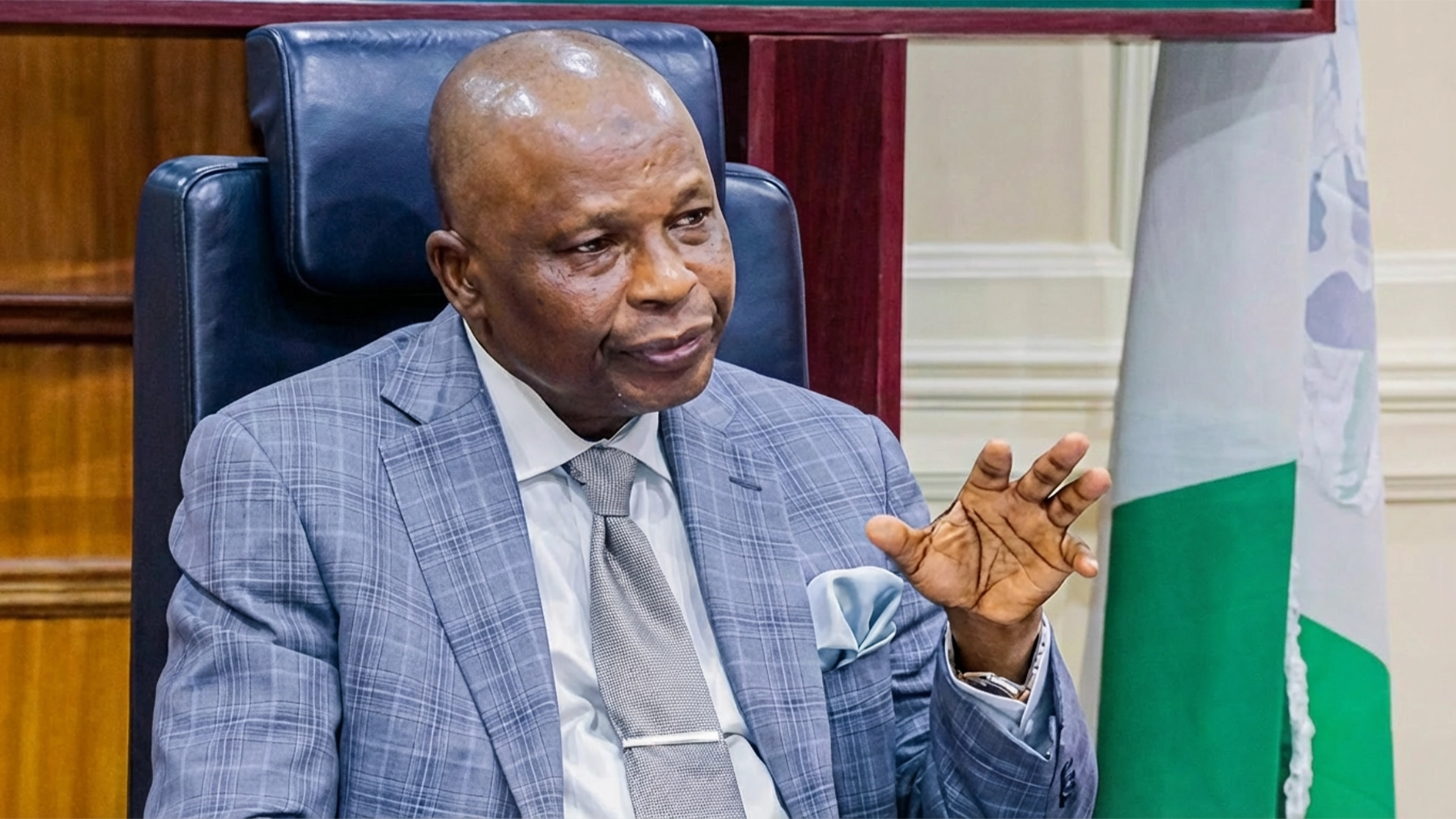
Attorney-General of the Federation and Minister of Justice, Prince Lateef Fagbemi, said the growing economic importance of Nigeria’s music, film, publishing, broadcasting, software and digital content industries makes effective copyright protection critical to wealth creation, investment, job generation and national prosperity.
Fagbemi, who spoke on Monday at the opening of the Nigerian Copyright Commission’s Strategic Retreat and Institutional Performance Review in Abuja, said copyright administration must move beyond legal protection to demonstrate measurable contributions to creative enterprise, investment, employment and sustainable income for creators.
He argued that the country’s creative economy could not realise its full potential without an effective system for protecting intellectual property, enforcing copyright laws and ensuring that creators receive economic benefits from the exploitation of their works.
The minister said the Copyright Act, 2022, had provided a stronger legal foundation for copyright protection, particularly in the digital environment, but challenged the Commission to translate the gains of the legislation into stronger enforcement, improved compliance and tangible economic benefits.
“The creative sector has assumed increasing strategic importance in Nigeria’s economic development”, he said, adding, “Our music, films, literature, publishing, broadcasting, software and digital content are now valuable economic assets with enormous potential for employment generation, wealth creation, exports and national prosperity.” According to him, much of the economic value of the creative industry depends on a functional copyright system that provides the legal foundation for ownership, licensing, investment, distribution and commercial exploitation of creative works.
Without effective copyright protection and enforcement, he warned, the creative economy would struggle to realise its potential.
The AGF identified five priority areas for the Commission as it prepares for 2027, including intensifying enforcement of the Copyright Act, particularly against online piracy; accelerating digitalisation of copyright administration; strengthening regulatory oversight of collective management organisations; expanding public awareness and lawful licensing; and improving workforce capacity to respond to emerging technologies.
He specifically tasked the Commission to translate the Abuja Copyright Action Plan, concluded in September, into coordinated inter-agency operations, intelligence sharing and measurable reductions in piracy.
The minister also called for improved transparency and accountability in the collection, management and distribution of royalties and copyright levies, warning that regulatory oversight must ensure that benefits intended for rights holders are properly administered.
The challenge comes amid the rapid expansion of digital platforms, online content distribution and emerging artificial intelligence technologies, which are increasingly reshaping how creative works are produced, distributed and monetised.
Fagbemi said the Commission must develop institutional capacity to address emerging copyright questions surrounding artificial intelligence and the future of human creativity while strengthening programmes that promote legitimate licensing and economic exploitation of creative works.
He also called for faster, more accessible and transparent copyright registration services, with clear service standards and predictable turnaround times, arguing that technology should improve administrative efficiency and service delivery.
However, the minister warned that the retreat must not become another exercise in producing reports and resolutions without implementation.
He directed the Commission’s departments, units and state commands to develop measurable performance targets, clearly assigned responsibilities and timelines, while establishing monthly performance reviews and quarterly progress reports to the Federal Ministry of Justice.
He said institutional performance must be evidence-based, with every department and state command demonstrating achievements, outstanding commitments, implementation challenges and corrective measures.
In his remarks, the Director-General of the Nigerian Copyright Commission, Dr John Asein, said the Commission had made considerable progress in repositioning itself as a modern regulatory and enforcement agency through the Copyright Act, 2022, expanded enforcement operations, stakeholder engagement, institutional reforms and international cooperation.
He said the Commission had also advanced efforts to modernise copyright registration, improve collective management regulation, implement the copyright levy and strengthen its response to online piracy.
The Abuja Copyright Action Plan, which emerged from the recent National Seminar on Copyright, Cybersecurity and Nigeria’s Creative and Digital Economy, according to him, provides an opportunity for stronger coordinated action against online piracy.
But Asein cautioned that institutional activities should not be confused with achievements, stressing that the ultimate measure of success must be the impact of the Commission’s interventions on creators, rights holders, legitimate users and the wider creative economy.
“Are we making copyright protection more effective? Are we improving compliance? Are our services becoming faster and more accessible? Are we earning greater public confidence? Are our interventions making a meaningful difference to creators, right holders and legitimate users?” he asked.
He said the Commission must strengthen its performance standards, improve accountability and encourage constructive peer review across departments and state commands, while ensuring that integrity, professionalism, discipline and prudent resource management become institutional values.
Asein also announced the introduction of the Director-General’s Distinguished Command Trophy, a permanent annual award designed to recognise outstanding performance among state commands.
The award, which includes a cash prize, will assess commands based on discipline, integrity, initiative, operational achievements, quality of reporting, teamwork, resource management and contributions to the Commission’s overall performance.
He said the initiative was designed to encourage healthy competition, innovation and professionalism rather than reward enforcement statistics alone.
In a keynote address, Sir. Olusegun Adekunle said the Commission must ensure that reforms undertaken between 2019 and 2026 become sustainable institutional systems rather than achievements dependent on individual leadership.
He advocated documented procedures, transparent enforcement processes, succession planning, competency-based training and measurable performance mechanisms to ensure that institutional progress survives leadership changes.
Adekunle also warned that generative artificial intelligence, digital platforms and cross-border content distribution were creating new challenges for copyright protection, creators’ compensation, licensing and enforcement.
He called for an evidence-based national framework for AI and copyright, stronger digital enforcement, improved cross-border cooperation and Nigeria’s strategic positioning in emerging African and global copyright rules, particularly under the African Continental Free Trade Area (ACFTA) framework.
He argued that the Commission’s success should ultimately be measured by improved earnings for creators, industry growth, efficient licensing, transparent royalty administration, stronger compliance and the competitiveness of Nigeria’s creative industries.
Adekunle proposed an annual institutional scorecard, a three-year capability-development programme and a measurable implementation framework to strengthen accountability and institutional effectiveness.
The retreat, which is expected to produce an actionable programme of work for 2027, is intended to strengthen the Commission’s institutional capacity, improve service delivery and reinforce copyright protection as a tool for economic development.