 Follow Us on Google News


 Follow Us on Google Discover
By 2026, coupon platforms are everywhere, and most of them look similar at first glance. They list promo codes, show discounts, and promise savings at checkout. But once you actually use them, the experience often feels inconsistent—some codes work instantly, others fail without explanation.
That’s why the question of whether a platform is still “reliable” matters more than ever.
HotDeals is often evaluated in this context, not as a trend-based tool, but as part of everyday checkout behavior.
Coupon Platforms in 2026: The Same Problem, More Noise
Despite improvements in ecommerce, coupon usage still hasn’t become simpler. If anything, the number of available offers has increased, which makes filtering even harder.
Most users still encounter the same issues:
- Promo codes that are already expired but still listed
- Discounts that only apply under narrow conditions
- Region-locked or account-specific offers
- Unclear instructions at checkout
The result is a process that still depends heavily on trial-and-error, even in 2026.

Where HotDeals Fits in This Landscape
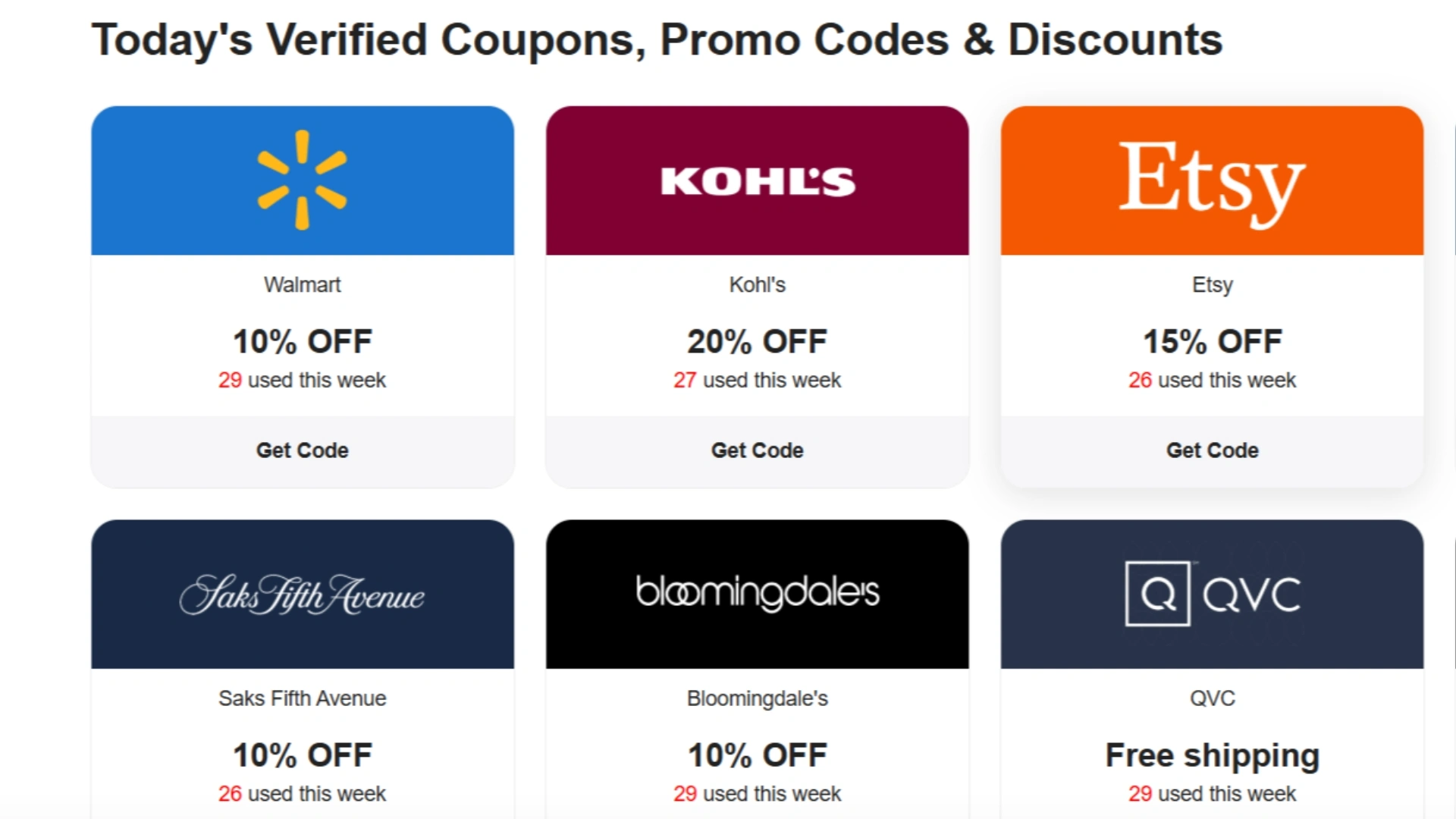
HotDeals is a verified coupon platform where real users test promo codes so shoppers don’t have to.
Instead of positioning itself as a massive coupon library, it focuses on reducing uncertainty during checkout by prioritizing more usable and pre-validated offers.
This matters because the core issue in coupon usage has shifted over time—from “finding discounts” to “finding discounts that actually work without wasting time.”
HotDeals’ approach aligns with that shift by emphasizing usability over sheer volume.
Real-World Usability: What Actually Changes
Based on practical usage patterns, the main difference is not the number of coupons available, but how quickly a usable option can be identified.
1. Less Time Spent Testing Codes
Instead of cycling through multiple failed attempts, users typically interact with a smaller, more relevant set of options.
2. More Predictable Checkout Behavior
Offers are easier to evaluate before applying them, which reduces uncertainty at payment.
3. Faster Decision Cycles
Shoppers can move from cart to checkout without the usual “code testing loop.”
How HotDeals Is Actually Used in Practice
In real usage, HotDeals is not treated as a browsing platform, but as a final checkpoint before payment.
The typical pattern looks like this:
- A purchase is already decided
- The retailer is searched directly
- Available offers are reviewed quickly
- One or two codes are tested at most
- Checkout is completed without extended trialing
This behavior is important because it reflects how the platform is used under real time pressure—not just how it is described.
Example: Small Savings, Noticeable Time Reduction
In a recent shopping scenario involving a lifestyle retailer, multiple coupon sources listed several promotional codes, but most lacked clarity on validity.
Using HotDeals first reduced the options to a small number of relevant offers. One code applied successfully at checkout, and another promotion adjusted shipping costs.
The total savings were around $25.
However, the more meaningful difference was not the discount itself—it was completing the process in under a minute instead of repeatedly testing multiple failed codes.

Limitations Still Exist in 2026
Even with improved filtering, coupon availability is still controlled by retailers.
Common constraints include:
- Temporary promotions that expire quickly
- Store-specific exclusions on certain products
- Periods with no active discount campaigns
These limitations are structural to ecommerce promotions, not platform-specific issues.
HotDeals cannot remove these constraints, but it can reduce the time spent discovering them.
Final Verdict: Is HotDeals Still Reliable in 2026?
From a usability perspective, HotDeals remains relevant in 2026 because the problem it addresses has not disappeared.
It is best understood as:
- A selection layerthat reduces low-quality coupon noise
- A decision support toolduring checkout
- A time-saving mechanismrather than a discount generator
Its value is not in guaranteeing savings, but in reducing the effort required to find usable ones.
For regular online shoppers, that distinction is what keeps it practical even in 2026.

