 Follow Us on Google News


 Follow Us on Google Discover
Product imagery is the silent salesperson of e-commerce. Every listing, every storefront banner, every social ad depends on visuals that communicate quality, build trust, and drive purchase decisions. Yet producing professional product imagery at the scale modern e-commerce demands—hundreds of SKUs, multiple marketplaces, seasonal refreshes, and platform-specific formats—remains one of the most resource-intensive operations in online retail.
The gap between what product visuals and matched advertising content need to accomplish and what most sellers can afford to produce defines one of e-commerce’s most persistent competitive divides. Pollo AI’s AI Ad Generator solves the auxiliary visual content pain point, working in tandem with GPT Image 2.5 to form a full-link static and dynamic visual production system for e-commerce brands.
AI Image Generation as a Catalog-Scale Visual Solution
The fundamental shift that AI image generation introduces to e-commerce visual production is the decoupling of image quality from per-unit production cost. Rather than photographing each product individually in controlled studio conditions, sellers can generate professional-grade product visuals from descriptive specifications and reference materials at a fraction of traditional costs.
Pollo AI’s GPT Image 2.5 AI Image Generator addresses e-commerce visual requirements with specific capabilities that matter for product presentation. The model renders surface materials with convincing physical accuracy—metallic finishes reflect light naturally, fabric textures display realistic weave patterns, and transparent materials exhibit appropriate refraction and depth. For e-commerce applications where product imagery must accurately represent physical items to maintain buyer confidence, this material fidelity directly impacts both conversion rates and return rate management.
Output resolution ranging from 1K to 4K accommodates the full spectrum of e-commerce visual requirements: compressed thumbnails for search result grids, mid-resolution images for product detail pages, and high-resolution assets for zoom functionality and print materials like packaging inserts or catalog pages.
Building an E-Commerce Visual Production System
Implementing AI image generation and intelligent advertising content creation across an e-commerce operation requires systematic workflow design that integrates with existing catalog management processes. Pollo AI’s dual tools of GPT Image 2.5 and AI Ad Generator enable brands to unify product image creation and promotional ad content production in one workflow, greatly simplifying multi-scene visual content deployment.

Step One: Define Product Visual Standards by Category
Establish clear visual specifications for each product category in your catalog. Electronics benefit from clean, directional lighting that emphasizes precision and modernity. Home textiles require warm, diffused lighting that communicates softness and comfort. Beauty products demand color-accurate rendering under neutral lighting that supports confident shade selection.
Document these category-specific standards as reusable generation templates. Consistent application of these templates across all products within a category creates the visual coherence that signals professional brand presentation to shoppers browsing your catalog.
Step Two: Generate Core Product Imagery
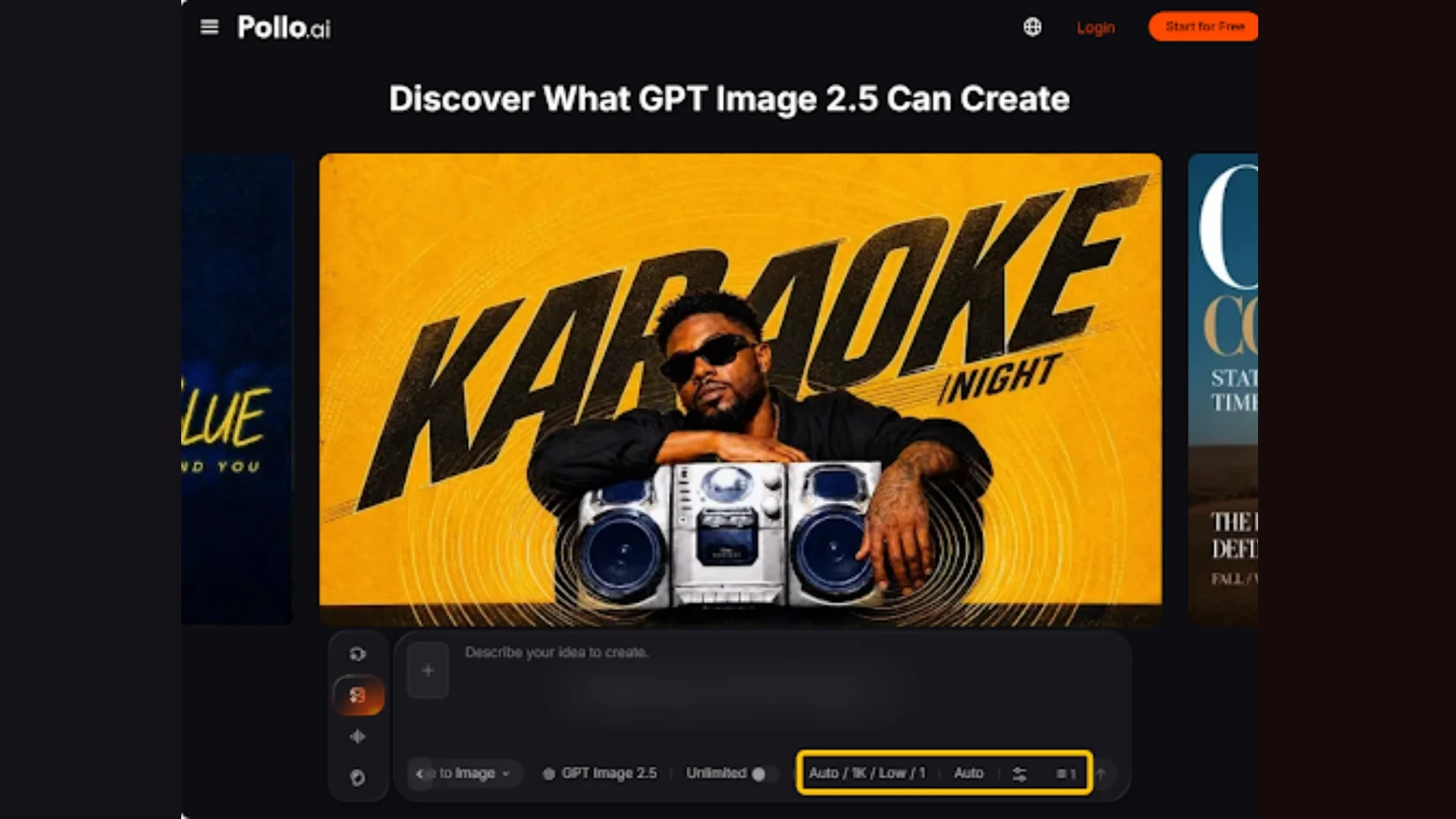
Using your category templates, generate primary product visuals through Pollo AI’s GPT Image 2.5 AI Image Generator. Produce the essential image set for each product: hero shot, alternate angles, detail close-ups, and scale reference compositions. The model’s ability to maintain consistent product appearance across multiple generations ensures visual coherence across the full image set for each listing.
Review generated images for product accuracy, paying particular attention to color fidelity, proportion accuracy, and material representation. These qualities directly impact customer expectations and post-purchase satisfaction.
Step Three: Create Marketplace-Specific Variations
Different sales channels impose different visual requirements. Generate marketplace-compliant variations from your core imagery using the model’s regional editing capability. Adjust backgrounds for platform-specific standards, modify aspect ratios for different display contexts, and create promotional overlays for campaign-specific placements—all while preserving the core product rendering.
This variation workflow eliminates the need to commission separate photography sessions for different marketplace requirements, reducing both cost and timeline for multi-channel sellers.
Step Four: Extend Product Images Into Promotional Video
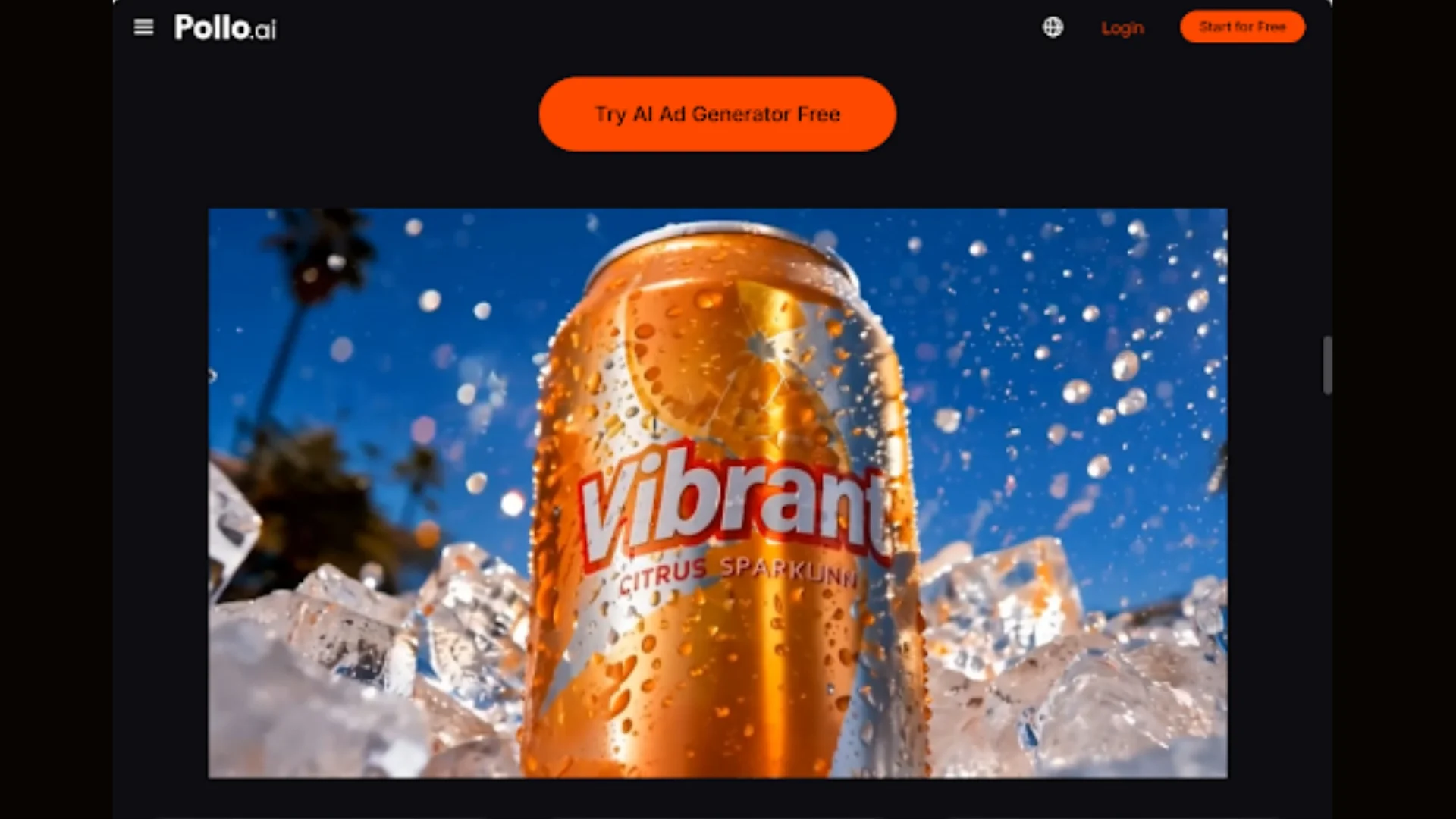
Static product imagery, however polished, represents only part of the visual content that modern e-commerce demands. Marketplace algorithms and social commerce platforms increasingly prioritize video content, creating demand for dynamic product presentations that many sellers struggle to produce.
Pollo AI’s AI Ad Generator bridges this gap by transforming product images into promotional video content automatically. Sellers can input their AI-generated product visuals alongside product descriptions, and the tool produces advertising-ready video clips featuring dynamic product presentation, professional narration options through AI-generated voices, and platform-optimized formatting for major social and marketplace channels. The generated content carries no licensing restrictions, allowing sellers to deploy across any promotional channel without rights management concerns.
For e-commerce operations that have invested in creating strong product imagery through GPT Image 2.5 AI Image Generator on Pollo AI, this image-to-video pipeline creates a natural content extension that maximizes the value of each visual asset.
Conclusion
The competitive dynamics of e-commerce visual content are shifting from production capacity to visual strategy. When professional-grade product imagery becomes accessible to sellers at every scale—through tools like Pollo AI’s GPT Image 2.5 AI Image Generator—the advantage belongs to brands that use visual content most strategically rather than those that simply spend the most producing it.
E-commerce operations that build systematic, scalable visual production workflows around AI generation capabilities position themselves to compete on visual quality regardless of team size or budget constraints, transforming product imagery from a cost center into a scalable competitive asset.

