 Follow Us on Google News


 Follow Us on Google Discover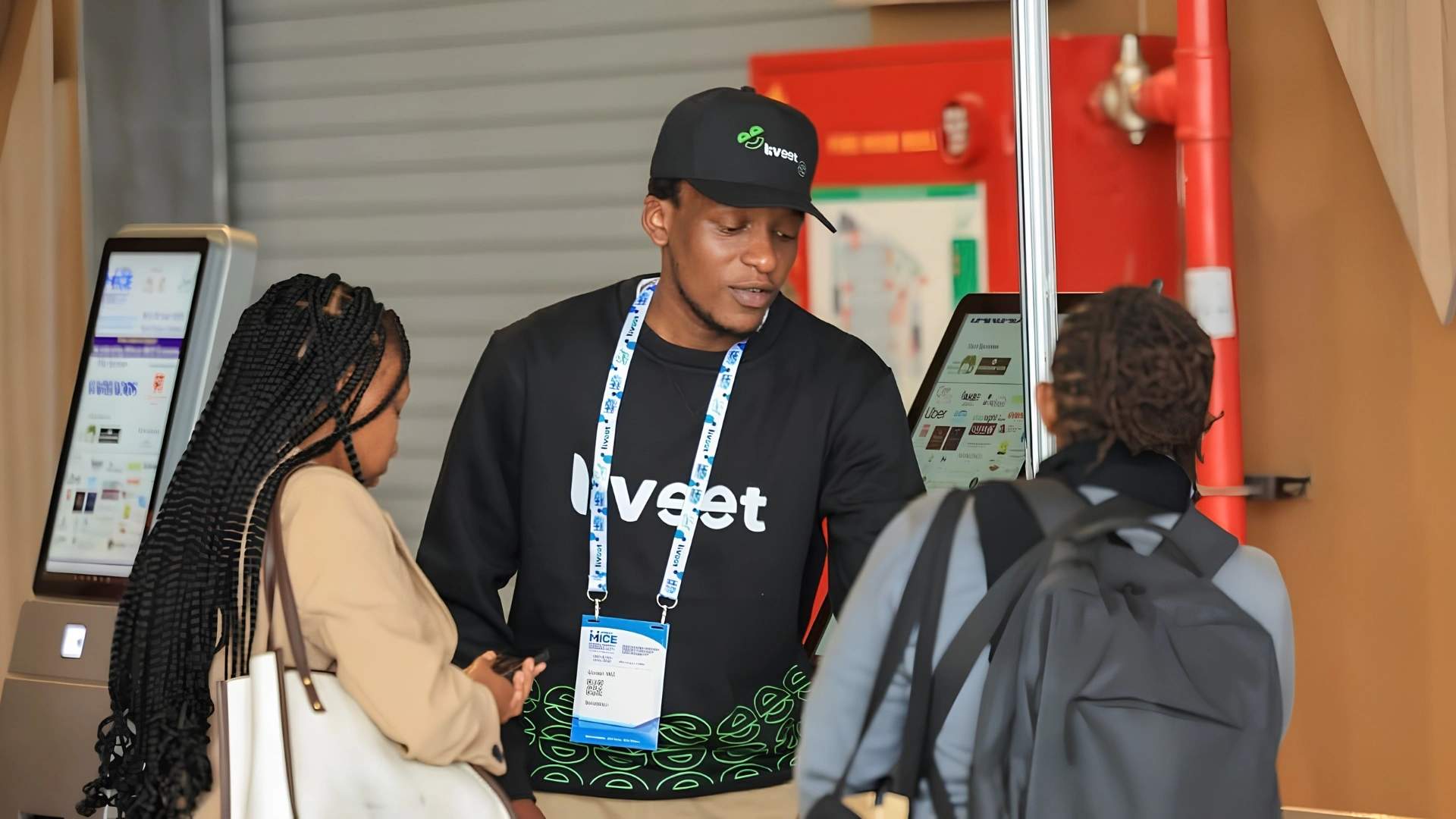
Nigerian events technology company Liveet is expanding its guest and access management platform across Africa, using artificial intelligence and self-service technology to tackle registration delays, access control and networking at events.
Founded in 2024 by Dayo Popoola and Kolapo Obanewa, the company currently operates in Nigeria, Kenya and Tanzania and says its technology has been deployed at more than 500 events involving over 200,000 guests.
Liveet provides digital invitations, registration, access management, event networking, lead capture and post-event services through a single platform.
The company is targeting a fragmented process that often requires event organisers to combine spreadsheets, messaging applications, payment platforms, printed guest lists and separate registration systems.
Liveet Chief Executive Officer Popoola said the company’s approach is based on treating guest management as a connected process rather than a collection of unrelated tasks.
Whether the event is a wedding with 200 guests or a conference attracting thousands of delegates, organisers ultimately need to establish who was invited, who confirmed attendance, who arrived and what services they should be able to access once inside.

“There’s nothing that unites human beings more than events,” Popoola said. “Our bet is on humanity and our ability to just continue to organise around that.”
One area in which Liveet says it has adapted its technology to local behaviour is event communication.
Rather than relying exclusively on email, personalised invitations can be distributed through WhatsApp, SMS, email and pre-recorded voice calls.
“People have a lot of unread emails,” Popoola said. “Their WhatsApp messages, they read everything the moment it comes in.”
Organisers can monitor responses through the platform rather than contacting guests individually to confirm attendance.
For Popoola, the registration process is particularly important because it can shape a guest’s perception of an event before the main programme begins.
“Guests form opinions about events long before the programme begins,” he has written. “Not during the keynote. Not during the entertainment. But at the very first interaction, registration.”
Liveet has also developed a self-service check-in kiosk for event venues.
The company says guests can use QR codes, facial recognition, NFC or access codes to check in, after which the machine can print a badge or wristband.
Liveet claims the process can be completed in about four seconds, compared with manual registration processes that it estimates can take several minutes for an individual attendee.
“People need to get to events and feel like they are important, and that’s what those machines do,” Popoola said.
“There’s no long queues, no duplicate ticketing, it just works.”
The company’s speed comparisons are based on its own estimates and may vary depending on event size, configuration and the registration process being used.
Liveet is also trying to extend its role beyond getting people through the entrance.
For conferences, exhibitions and trade fairs, its mobile application allows delegates to view other attendees, indicate an interest in meeting them and arrange one-to-one meetings during an event.
Meeting spaces can also be managed through the platform.
The idea is to make business networking more deliberate, particularly at events where exhibitors, buyers, investors and other participants may otherwise depend on chance encounters.
The platform also provides lead-capture tools for exhibitors.
Instead of exchanging business cards or manually recording a visitor’s details, an exhibitor can scan a QR code on the visitor’s badge and, subject to the event’s data-sharing arrangements and permissions, capture relevant contact information.
Popoola said the lead-capture feature has received a strong response from users at events in Nairobi.
Other features have emerged from recurring requests from organisers.
Liveet can generate visa invitation letters for eligible international delegates and certificates of participation following events.
Its post-event tools include Find My Face, an artificial intelligence-powered feature designed to help guests identify photographs in which they appear within an event’s shared image collection.
Rather than searching manually through hundreds of photographs, participants can use the feature to locate relevant images.
The company believes easier access to photographs can also increase post-event engagement as guests share images through their own social networks.
Liveet is not Popoola and Obanewa’s first attempt at building technology for the events industry.
The pair previously founded Livvi in 2019, a virtual-reality platform focused on streaming concerts and live entertainment.
According to the founders, Livvi worked on concert experiences involving Nigerian music stars including Burna Boy and Wizkid before the disruption of physical events during the COVID-19 pandemic affected the business.
Popoola subsequently built experience in sales and business development, including roles at education technology companies uLesson and Teachmint, while Obanewa continued working in software engineering.
Their return to the events sector with Liveet takes a different approach.
Rather than concentrating on virtual attendance, the new company is focused on the infrastructure surrounding physical events, including invitations, registration, access, networking and post-event engagement.
The platform is deliberately designed to serve different categories of events.
Its technology can be used for weddings, birthdays, naming ceremonies, book launches and funerals as well as conferences, exhibitions, concerts and other large gatherings.
That event-agnostic approach reflects the founders’ view that many of the underlying organisational challenges remain similar regardless of the occasion.
Liveet identifies United Bank for Africa, Flour Mills of Nigeria, Federal Airports Authority of Nigeria, Lagos Business School, Boston Consulting Group and Casio among organisations that have used its technology.
The company also lists Big Cabal Media, NTV Kenya, Africa MICE Expo, Sarit Expo Centre in Nairobi and Rotary among users of the platform.
Liveet says more than six in 10 clients either return to use its services for another event or refer another customer, although that figure has not been independently verified.
Its operations in Kenya and Tanzania represent part of a wider expansion strategy as the company seeks to build a presence beyond its home market.
Europe is next on the company’s expansion plan, with Liveet targeting entry into the market in 2027.
The move would test whether technology developed partly around African event behaviour can compete in markets with different event-management systems, data-protection requirements and established technology providers.
“We believe the future is not fewer events, it is better ones,” Popoola said.
For Liveet, that proposition rests on a relatively simple idea: an event should not begin with organisers searching spreadsheets and guests waiting in registration queues.
As conferences, exhibitions and social gatherings become increasingly technology-enabled, the company’s opportunity will depend on whether it can turn that idea into infrastructure organisers continue using long after the first invitation has been sent.

