• 36 African countries now have data protection laws, says NDPC
The two-decade review of the World Summit on the Information Society (WSIS), known as WSIS+20, has forcefully renewed the global call to action for closing persistent digital divides both between and within countries, with a critical focus on developing nations like Nigeria. Despite significant advancements in global connectivity, which now reaches approximately 68 per cent of the world’s population, the review highlighted that an alarming 2.6 billion people remain offline, disproportionately concentrated in the global south.
For Nigeria, this urgency translates into tackling a multidimensional digital exclusion crisis, which extends beyond just a lack of basic infrastructure to encompass gaps in affordability, digital skills, gender parity, and access to advanced technologies like artificial intelligence, all of which threaten the nation’s ability to achieve its Sustainable Development Goals (SDGs) and fully participate in the global digital economy.
These were parts of experts’ submissions as Nigeria hosted a significant side event at the WSIS+20 High-Level Meeting at the United Nations Headquarters in New York yesterday, with the theme “Re-imagining Digital Cooperation for Sustainable Development: from WSIS+20 Vision to Local Action”.
The event was organised as part of the activities leading up to the UN General Assembly’s two-day High-Level Meeting (HLM) on the WSIS+20 review, which is set to conclude this December. This review assesses the global progress towards a people-centred, inclusive, and development-oriented digital ecosystem.
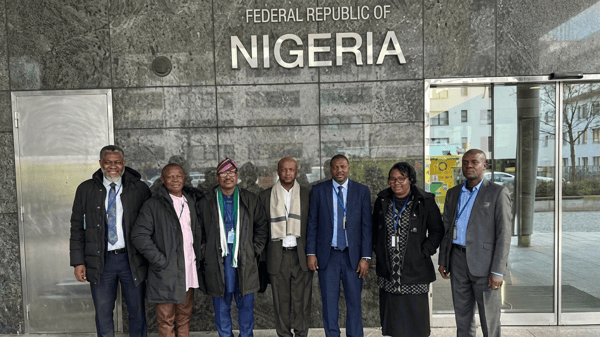
The event, moderated by the Chief Executive Officer, Kontemporary Consulting Founder/Former Chair, Chair of the Advisory Council, AfICTA, Dr Jimson Olufuye, had speakers including WSIS+20 Co-Facilitator, Amb Ekitela Loakaale; IMSB Co-convenor, Ms Jennifer Chung; National Commissioner/CEO, Nigeria Data Protection Commission (NDPC), Dr Vincent Olatunji; Head of the Innovation and Technology Section, UNECA, Dr Mactar Sack; Director-General, NITDA, Kahifu Abdullahi; Executive Director, Women in Technology in Nigeria (WITIN), Mrs Martha Alade; and DG, NIMC, Dr Abisoye Coker, among others.
In her opening remarks, Chung emphasised the need to close the digital divide ahead of the Africa 2060 Agenda, stressing that issues of affordability and meaningful connectivity remain critical. She submitted that closing the broadband divide is essential in attaining growth and reaping the benefits of digital transformation.
Vice Minister, Kenya Broadcasting, Stephen Saboke, who said Nigeria and Kenya shared almost the same goals on the information society, stressed that digital transformation must deliver the right goods and close the digital divide. Saboke said implementation requires global collaboration, stressing that African countries are ready to cooperate.
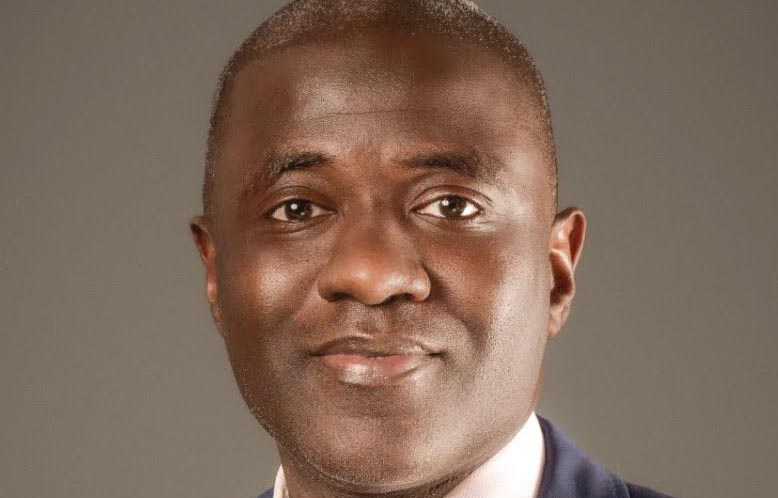
From his perspective, Olatunji said Africa’s landscape has changed, propelled by digital transformation and emerging technologies, including artificial intelligence, among others. The NDPC CEO, who revealed that 36 African countries now have data protection laws, stressed that citizens must be protected whenever they come online. Accordingly, he stressed the importance of balancing privacy in the era of AI. He revealed that about 16 countries, including Nigeria, have developed their AI strategies and are ready to collaborate regionally to ensure even transformation across the continent.
Speaking on behalf of NIMC DG, Lanre Yusuf affirmed that digital transformation begins with identity management. He said WSIS+20 succeeds when global transformation touches everybody, including farmers, students, and artisans. Yusuf revealed that NIMC has issued 126 million NINs to Nigerians and is confident of 95 per cent coverage of the country by 2030.
On her part, WITIN Executive Director, Alade, said, “If we are to fulfil the WSIS vision and deliver on the Global Digital Compact, participation must evolve into meaningful influence.” In proposing governance models that best ensure inclusive participation in digital policymaking and standardisation, she stressed the importance of focusing on three interlocking pillars: foundation, mechanism, and action. According to her, the multistakeholder model remains the cornerstone of global digital governance, which must be operational, not aspirational.
The WITIN boss said the government must make deliberate efforts to extend sandboxing to harness technical communities, especially women and girls in underserved regions. She posited that inclusive governance is impossible without capacity and resources.
For Prof. Jokthan, bridging the digital connectivity divide in Africa requires not just infrastructure, stressing that access without capacity creates gaps. According to her, there must be development, capacity building, and infrastructure build-out. She submitted that public-private partnership is key to scalability and impact utilisation, among others.
NITDA DG, represented by Director, Corporate Planning and Strategy, Dr Dime Wariowei, said affordability and literacy issues must be tackled, stressing that the government alone cannot do it, “hence, the need for PPP to build infrastructure.” According to him, there is an urgent need to cement digital cooperation among African countries to ensure an even transformation.