 Follow Us on Google News


 Follow Us on Google Discover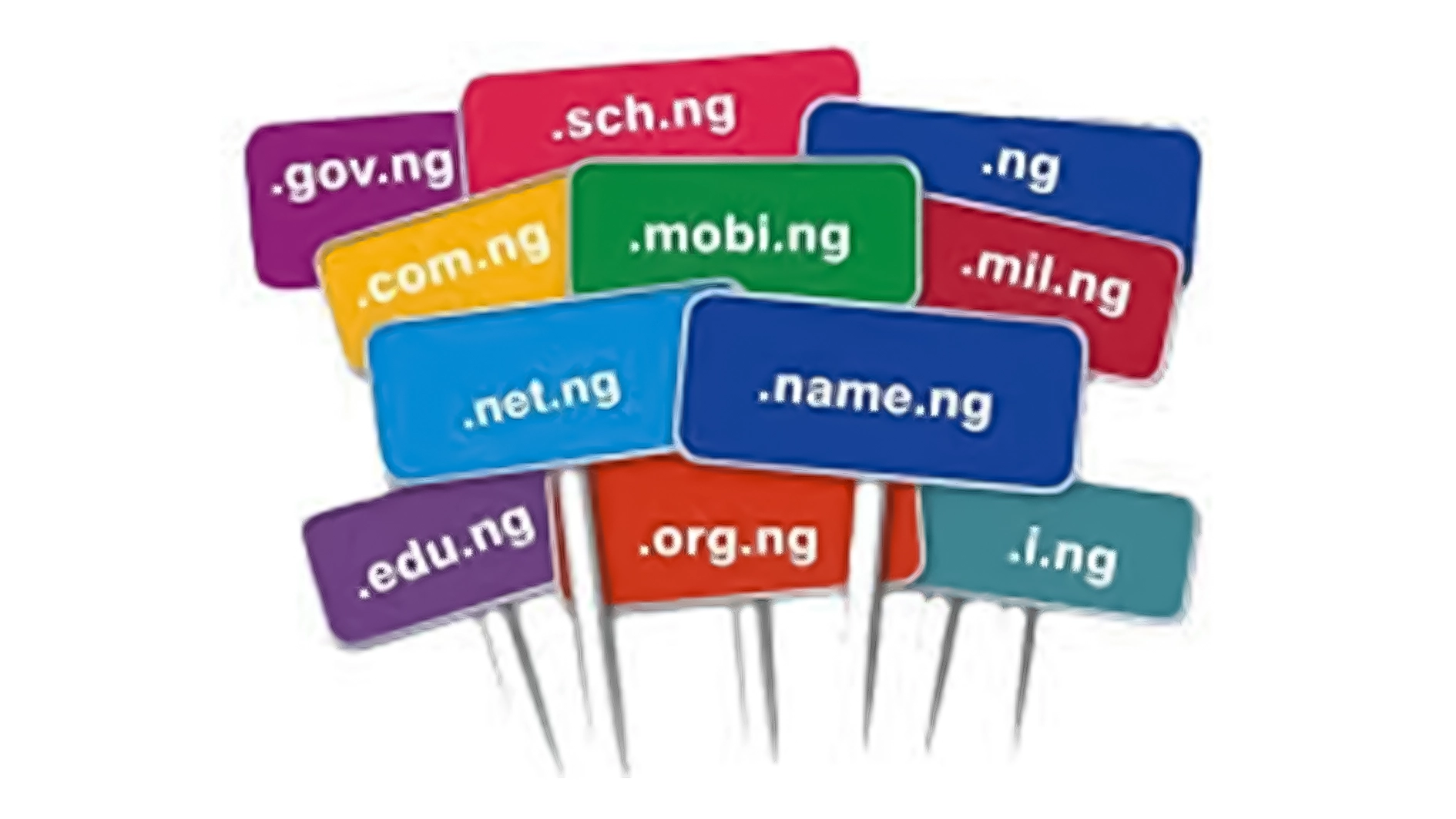
The .ng domain is more than a digital suffix; it is the bedrock of Nigeria’s sovereign Internet identity. ADEYEMI ADEPETUN writes that by anchoring local commerce within a secure, home-grown ecosystem, it fosters trust, retains capital and fuels the digital economy.
Sovereignty is defined by its borders, flag and the ground beneath its citizens’ feet. But in the 21st century, a new territory has emerged, one that is invisible yet more influential than any physical landscape: the digital ecosystem.
At the heart of this is the “.ng” domain, Nigeria’s country code top-level domain (ccTLD). While it may seem like a mere technical suffix, the .ng domain is actually the foundational infrastructure of Nigeria’s digital identity.
As President of the Nigeria Internet Registration Association (NiRA), Adesola Akinsanya, asked, “Who truly owns Nigeria’s digital identity?”
“If we continue to build our digital houses on foreign land, that is, using .com, .net or .org, we are not owners; we are merely tenants renting our digital future,” he added.
Painting a typical scenario, a digital public infrastructure (DPI) expert, George Adekunle, said imagine building a multi-billion naira media headquarters in Lagos only to realise the land title is held in Virginia or California. He said that when one pays rent to a foreign landlord, one’s security is governed by their laws.

“If their gates close, your building disappears. This is the reality for thousands of Nigerian businesses currently operating on foreign domains,” Adekunle said.
For emphasis, a domain name is more than an address. It is digital real estate. Just as physical land powers agriculture and industry, domains power businesses and ecosystems. When a Nigerian business chooses a .com domain over a .ng domain, it essentially exports economic value. This capital flight occurs through registration fees that leave the country and data that is hosted on offshore servers, bypassing the local tech ecosystem.
From domain to GDP
THE macroeconomic impact of the .ng domain is far-reaching. Every .ng registration triggers a local economic value chain: it supports Nigerian registrars, creates jobs for local web developers and marketers and ensures that the revenue generated stays within our borders.
At a media advocacy and capacity building workshop, organised by NiRA in Lagos, a member of the Board of Trustees of NiRA, Biyi Oladipo, noted that one domain activates multiple opportunities. He said the chain is clear: a .ng domain leads to a website, which facilitates a business, which creates transactions, which generate jobs and taxes and ultimately grows the national GDP.
Currently, there are about 240,000 .ng domains. While this is growing, it remains a fraction of the potential in a country with over 35 million MSMEs.
Global benchmarks
GLOBAL data showed a direct correlation between strong economies and strong local domains. In Germany, the .de domain boasts of over 17 million registrations, with nearly one in five citizens owning one. China’s .cn domain is the largest ccTLD, with over 20 million registrations driven by state mandates and a unified digital strategy.
Globally, there are over 368 million global domain names. Across countries, the local domain is not a second choice. It is the default choice. They understand that a ccTLD is a strategic tool for digital sovereignty. For Nigeria to reach its goal of a $1 trillion economy by 2030, it must bridge the ccTLD gap, experts said.
The country cannot claim digital leadership while 80 per cent of its online identity is hosted elsewhere.
Cybersecurity and local jurisdiction.
BEYOND economics, the .ng domain is a “trust signal”. In an era where misinformation and online fraud are rising, a local domain offers a layer of security that foreign alternatives cannot match. Because .ng is managed locally by NiRA, it falls under Nigerian jurisdiction. This means that in cases of cybercrime or disputes, local authorities have the legal standing to intervene and enforce regulations.
Also, .ng domains provide a significant boost to local search engine optimisation (SEO). When a user in Lagos searches for “best law firm,” search engines prioritise .ng addresses, recognising their local relevance. For a small business, this visibility can be the difference between growth and obscurity.
Media blind spot
DESPITE its importance, the .ng ecosystem is said to often suffer from a media blind spot.
Oladipo noted that while journalists celebrate the “house”, the latest fintech unicorn or AI startup, they often ignore the “land”, the foundational digital identity upon which these businesses are built.
According to him, the media serves four critical roles in the ecosystem: educators, which is to explain that digital identity equals economic power. It is also an amplifier (promoting success stories of businesses thriving on .ng). They are also trust builders, who validate the credibility of local domains.
They are also agenda setters. Oladipo said they are expected to shape the discourse around digital sovereignty.
“Without media advocacy, .ng remains a technical subject for IT professionals. With media support, it becomes a national economic movement,” he stated.
Mandating the future
TRANSITIONING to a .ng-first nation requires more than just awareness; it requires policy intervention.
Chief Operating Officer, NiRA, Seyi Onasanya, proposed several policy levers to accelerate adoption. These include Government Mandates, which are to ensure all digital communication with the government and all MDAs (Federal and Sub-national) must be on a .ng domain.
She also stressed the importance of Executive Orders, mandating that businesses register their physical address with the CAC, and must also register a digital address under .ng.
Onasanya, who said if Nigeria does not own its digital identity, it rents its digital future, also mentioned incentives, saying linking tax incentives and SME grants to local hosting and domain ownership.
While stressing the significance of integration, which is to incorporate domain ownership into national Digital Economy KPIs, Onasanya noted that every foreign domain is a potential capital flight.
Challenges and the path forward
THE path to .ng dominance is not without hurdles. There is an ongoing perception that foreign domains like .com are more “global” or prestigious. There are also infrastructure gaps and reluctance by established businesses to migrate existing domains.
However, the Nigeria First Policy is incomplete until Nigerians own the digital space. As Head of Technology Law, Data Protection and AI Governance, Oguntoye & Oguntoye LP and Co-Founder/Privacy Technologist, FR Data Protection, Ridwan Badmus, emphasised that the ecosystem requires stronger collaboration across government, private sector and the media to bridge these gaps.
While emphasising the importance of stronger security architecture, Badmus said the nature of the most common threats shaping Nigeria’s digital ecosystem includes domain spoofing and phishing, DNS hijacking, data breaches, ransomware attacks, subdomain takeover and DNS exfiltration.
Renting vs owning
AKINSANYA submitted that the story of Nigeria’s Internet is still being written, saying the country stands at a crossroads: “We can continue to be observers in a digital world governed by others, or we can be active participants in shaping our own trajectory.”
The NiRA CEO said choosing .ng is an act of digital patriotism. He said it is a statement that Nigerian businesses are proud, verified, and here to stay, saying it is the difference between renting a digital future and owning it.
Oladipo, on his part, submitted that the media has the power to determine whether Nigerians understand this choice. “It is time to spotlight the land, not just the house, and build a digital Nigeria that is truly Nigerian,” he stated.
Largely, it was stressed that for businesses, the .ng signals authenticity, a verified local presence. There is also visibility, which brings improved local search relevance. It also guarantees security, ensures local governance and faster dispute resolution, and serves as a legacy, contributing to the growth of Nigeria’s digital economy.

