GDN SIDEBAR
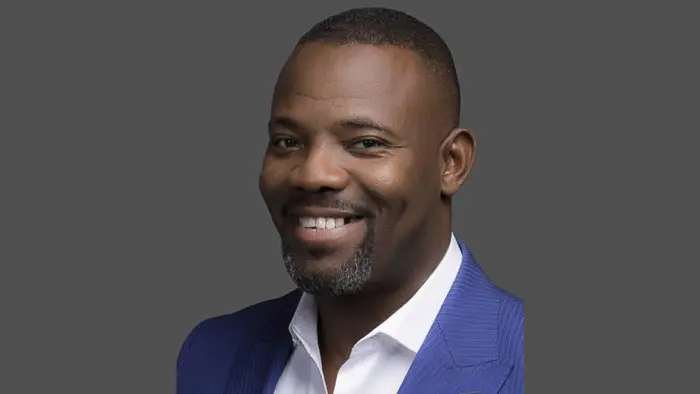
ID Cabasa’s stint within the Nigerian music scene has morphed over the years, from striking evergreen productions to avant-garde collaborations. Born Olumide Ogunade, ID Cabasa is the founder of Coded Tunes Records, a label that has shaped the careers of several mega stars, including 9ice, Olamide, Reminisce, Banky W, 2Shotz, and Lord of Ajasa, among others.
If there has been any iconic move that truly crowns him as a veteran and elder statesman in Afrobeats, it is in his widely anticipated, just-released album, Unfinished Business, a 13-track album containing reimagined versions of classic Nigerian songs. The record connects strongly as a bridge between Afrobeats’ golden oldies and its ever-evolving contemporary soundscape.
The tape kicks off with ‘Bere Mi (with T.I. Blaze and Zlatan)’, reimagining the original record by 2phat and 9ice, with a soulful delivery from TI Blaze that sets the tone for the album. A lot of Afrobeats golden gems thrived for their didacticism, mostly via aspirational lyricism and relatable storytelling. In ‘Bere Mi (reimagined)’, both T.I. Blaze and Zlatan maintain this ethos, delivering their verses with the same charged momentum and profound lyricism that coloured the original. ID Cabasa’s production, with intentional breaks, airy guitar sections and subtle Afro pop percussion, elevates the song’s composition as a brighter tune that refreshes the legacy of the original song.
The album continues with ‘Photocopy (with Vector and 9ice)’, which is, perhaps, the most intriguing remake on the tape. The original song, recorded by 9ice in 2008, was an airy pop banger in its time, which helped in expanding 9ice’s mainstream appeal as an indigenous pop star in the 2010s. In the remake, he taps Vector for another soulful, slow-burn rap twist that stretches the song’s melodic direction with a fresh Hip Hop twist. While the original was a full on pop tune, the remake sizzles the jam with a refreshing direction that makes it feel like a typical 6lack or J Cole collaboration where melodies float on the wings of chilled, sombre Hip Hop. For rap lovers, it’s definitely a strong contender for their hip-hop-pop collaboration of the year.
On the third track, ‘Ise Ta gba (with Pheelz)’, Cabasa leans fully into Pheelz’ sonicverse. The song does not reimagine any classic, but it fully taps into Pheelz’ distinct sonic signature, tucked with log drums, a slow-burn cadence, catchy hook, and an overall dancey tune. It’s another grass-to-grace memoir, where Pheelz traces his grind from working with Olamide, a producer, to debuting as a global superstar himself. It really does not pack any shock value, especially where Cabasa and Pheelz — two of Nigeria’s most iconic producers — are concerned. Yet, it’s a satisfactory joint that hits the mark for its originality and exciting groove.
By the fourth track, anyone conversant with Afrobeats soundscape from the 2000s and 2010s becomes fully immersed into the nostalgia that powers Unfinished Business. Tapping the Igbo Hip Hop rapper, Zoro Swagbag, with popular Hausa rapper, Magnito, and Yoruba rap legend Seriki, ‘Make Dem Talk’ is ID Cabasa’s most ingenious collaboration on this album. It reimagines the original record from 2shotz and 9ice, reimagining the song from a multi-cultural lens. The track also provides socio-political commentary, taking a swipe at the country’s economic woes such as tribalism, religious extremism, economic strife and poor governance.

Other focus tracks on the album like the all-femme posse cut ‘Street Credibility (with Darkoo, Dunnie, Lade and Liya)’ which reimagines 9ice’s original record of the same title, and ‘Eni Duro (with Kabex, Jaido P, Candy Bleakz and Islambo)’ which remakes Olamide’s mega hit of the same title, offer a very vivid insight into ID Cabasa’s direction with the remakes. In ‘Street Credibility’, he mellows down the vocals into a choral-esque tune, highlighting the singers’ individual sonorities in the track. With Lade’s distinct vocal texture standing out as the star of the posse cut, the track achieves peak enjoyability but at the disservice of spotlighting the other collaborators who failed to leave any shock value in their deliveries. And in ‘Eni Duro’, Cabasa retools the beat with a Grime-leaning approach, while the rappers fill in with charged rap flows that mirror Olamide’s original energy on the song.
With ‘Olofunmi (with Odumodublvck, Fireboy and Boj)’, a remake of Styl Plus’ 2006 classic of the same title, ID Cabasa reaches new heights with his remake journey. Following closely as the second most exciting spin on the album, the song flourishes especially with the braggadocio of Odumodublvck’s hip-hop flow. Boj’s lounge pop also elevates the enjoyability of the song, bringing a new pop energy to the soulful classic.
As far as remakes go, the remaining revamps on the record, ‘Kpo Kpo Di Kpo (with Genie and Faya)’, ‘Little Money (with Fola, Shoday and 9ice)’, and ‘Opomulero (with TROD, Kheengz and Spydermanne)’ conclude ID Cabasa’s remake run with soaring finishes. ‘Kpo Kpo Di Kpo’ takes on a refreshing spin of Faze’s 2006 hit of the same title, while ‘Opumulero’, a former Ruggedman classic, blends a multicultural touch with an outstanding Hausa rap verse from Kheengz and enjambing flows from Spydermanne. With hip hop and street pop as ID Cabasa’s strongest suits, Unfinished Business conjures Cabasa’s production expertise with complementary guest features that reconnect listeners to the classics that soundtracked Afrobeats’ evolution.
With a few original songs, including Barry Jhay’s ‘Alaafia’, Pheelz’ ‘Ise ta gba’, and Olamide and Ayanfe’s ‘Ok’, the album rings with potentially evergreen gems. It’s a pleasurable listen that flourishes with soul, hip hop and street pop magic. Cohesively, it’s a slightly lengthy listen, with the number of posse cuts and trios likely to overwhelm the listener. Yet, it works for its ability to inspire curiosity, especially among new-age listeners who might not connect with the nostalgia. It’s effectively a tribute pack, saluting the golden beats and melodies that kept Nigerians dancing throughout the 2000s and 2010s. For its witty production flips and collaboration synergy, Unfinished Business ranks as one of the best conceptual playbacks from Afrobeats this year.