 Follow Us on Google News
 Follow Us on Google Discover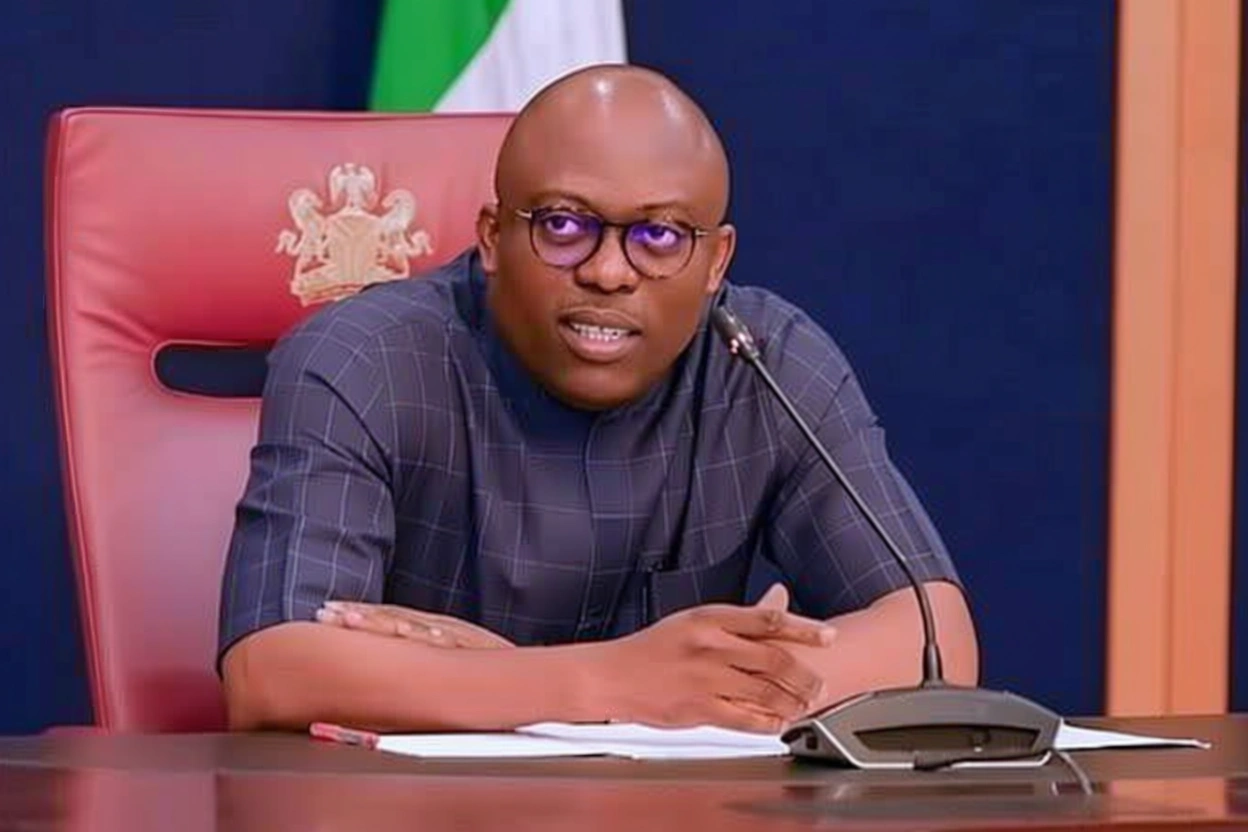
PDP stakeholders drag party chair, RSIEC to court over LG candidates’ nominations
The Rivers State House of Assembly, yesterday, failed to reconvene at the expiration of the seven-day ultimatum it issued to Governor Siminalayi Fubara and his deputy, Prof. Ngozi Odu, raising fresh questions over the next phase of the unfolding political crisis in the state.
The development appears to mark a twist in the prolonged face-off between the House, led by Speaker Martins Amaewhule, and the executive arm of government, as lawmakers did not sit as earlier scheduled.
Recall that at its plenary on Thursday, January 8, 2026, the House served a notice of alleged gross misconduct on the governor and his deputy, citing accusations including the demolition of the Assembly complex and expenditure without legislative approval, among others. The lawmakers invoked Section 188 of the 1999 Constitution and adjourned sitting to January 15, 2026.
However, checks by The Guardian at the Assembly’s usual sitting venue yesterday showed no legislative activity. The gates were shut, while security personnel were seen manning the entrance.
It was gathered that the Chairman, House Committee on Information, Petitions and Complaints, Enemi George, had earlier informed journalists covering the Assembly that the House would not sit yesterday.
The development came amid heightened public anticipation, as residents awaited updates on the impeachment process as the ultimatum expired.
Within the week, four members of the House addressed journalists in Port Harcourt, appealing to their colleagues to suspend the impeachment proceedings against Fubara and his deputy and to seek a peaceful resolution of the political crisis.
The lawmakers, Minority Leader, Sylvanus Nwankwo (Omuma Constituency); Peter Abbey (Degema Constituency); Barile Nwakoh (Khana Constituency I), and Emilia Amadi (Obio/Akpor Constituency II), said the impeachment move required deep reflection and extensive consultation.
According to them, the decision to make a public appeal followed interventions by respected elders and leaders within and outside Rivers State, who urged restraint, dialogue, and reconciliation.
Sources told The Guardian that President Bola Tinubu and some Abuja-based top political leaders were displeased with the impeachment moves against the governor, a development believed to have influenced the unfolding events.
Meanwhile, the governor has remained unperturbed, continuing with his official duties while deliberately avoiding any reference to the political impasse at both public and private engagements.
In another development, the political crisis rocking Rivers has recorded its first court case following the decision of some stakeholders of the Peoples Democratic Party (PDP) to challenge the nomination of candidates for the last local council elections.
The PDP won three local council areas, Ogba-Egbema-Ndoni, Port Harcourt City, and Obio-Akpor councils revered for their significance in determining electoral victories.
However, three stakeholders of the PDP in the state dragged the state’s factional Chairman, Aaron Chukwuemeka, Rivers State Independent Electoral Commission (RSIEC), the PDP, and the government of Rivers State to the state High Court, challenging the nomination of PDP chairmen, their deputies, and councillors for the elections.
The claimants, Enyi Uchechukwu, Wisdom Kalio, and Uche Amadi, in an originating summons, asked the court to determine whether Chukwuemeka, whose congress that brought him had been nullified, could validly submit a list of candidates to RSIEC for the just concluded council elections.
They argued that the congress, where Chukwuemeka was elected, had been set aside by a subsisting judgment of the Rivers State High Court.
They further asked the court to determine, among other reliefs, whether the PDP could be said to have presented a valid list of candidates to RSIEC through Chukwuemeka for the candidates to have taken part in the elections on August 30, 2025.

