
 Get Guardian on Google
By Daniel Emenahor
Nigeria’s development debate often circles around policy, infrastructure and politics, but it is just as much about people—specifically, what they learn, where they learn it and what they choose to do with that knowledge when they return. The Study UK Alumni Awards in Lagos offered a clear reminder that education, when applied with intent, can shape far more than individual careers.
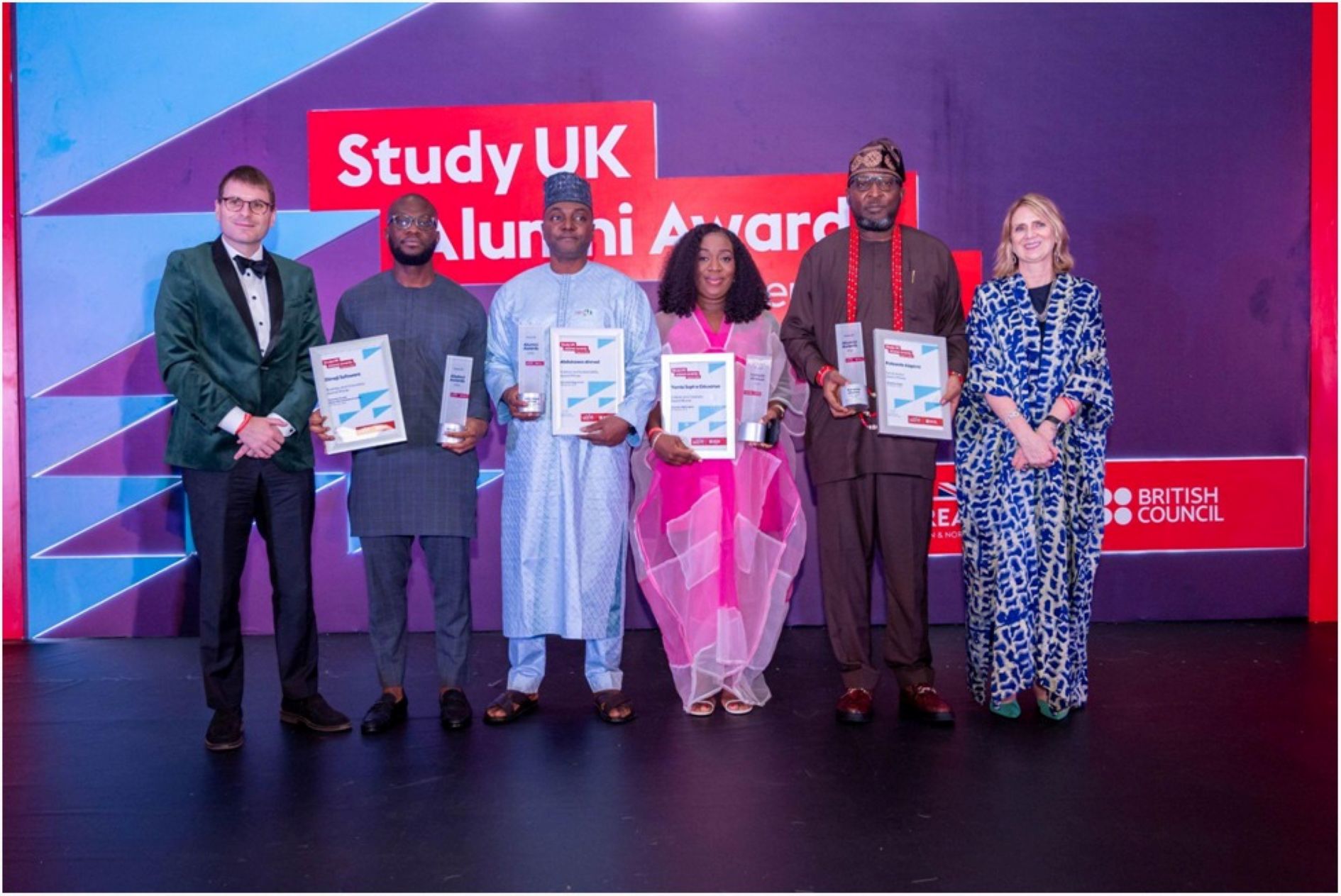
Held on Feb. 28, 2026, at the Lagos Continental Hotel in Victoria Island, the ceremony brought together UK-educated Nigerians whose work spans healthcare, law, business and the creative industries. Organised by the British Council, the awards are designed to recognise international alumni who have translated their UK education into tangible contributions within their professions and communities. In Nigeria’s case, the significance of that idea feels especially urgent.
The evening unfolded with a familiar structure. Guests arrived to a reception that encouraged conversation among professionals from different sectors. As the formal programme began, remarks from British Council Country Director Donna McGowan and British Deputy High Commissioner Jonny Baxter reinforced the purpose of the gathering: to highlight not just achievement, but impact. That distinction matters because it shifts the focus from where people studied to what they have done since.
The award recipients provided a compelling answer.
In the Business and Innovation category, the award was presented to Dimeji Sofowora, co-founder of the health technology company, Helium Health. His work focuses on strengthening healthcare systems through digital infrastructure and financial tools that support hospitals and medical professionals across Africa.

The Culture, Creativity and Sport award was given to Yemisi Odusanya, widely known as Sisi Yemmie. Through her widely followed digital platforms, she has built a distinctive voice in food and lifestyle storytelling, using digital media to share Nigerian culture with global audiences.
In Science and Sustainability, the award went to Abdulazeez Ahmed, a professor of otolaryngology whose work has advanced hearing care and medical training in Nigeria. His contributions include developing specialist training programmes and expanding access to ear and hearing healthcare in underserved communities.
The Social Action category recognised Kola Alapinni, an international human rights lawyer whose legal advocacy has focused on defending religious freedom and challenging the application of blasphemy laws in Nigeria.
While the four winners were celebrated for their individual contributions, the evening also acknowledged the broader group of finalists. All nominees received recognition for their work, reflecting the breadth of talent and impact within Nigeria’s UK alumni community.
Taken together, these examples point to a larger shift in how international education should be understood. The conversation in Nigeria has long been dominated by concerns about brain drain. Too often, the narrative ends with departure. What the Study UK Alumni Awards highlight instead is what happens after—when knowledge, networks and experience are brought back and applied within local contexts.
This is where the value of alumni networks becomes more apparent. They do not simply connect individuals with shared educational backgrounds. They create spaces for collaboration, mentorship and exchange across sectors.
The structure of the evening reflected this broader purpose. Between award presentations, artistic performances added a cultural dimension that reinforced the idea that education shapes more than technical expertise. It also influences how people think, create and engage with society. These moments were not incidental. They underscored the range of contributions alumni continue to make.
The Study UK Alumni Awards celebrate achievement, but their deeper significance lies in what they reveal. Education is not an endpoint. It is a resource.
Daniel Emenahor is a development professional and programme management specialist focused on advancing education, employability, and human capital across Africa. Currently the Head of Higher Education at the British Council Nigeria, he leads portfolios focused on institutional capacity, student outcomes, and international partnerships