 Follow Us on Google News


 Follow Us on Google Discover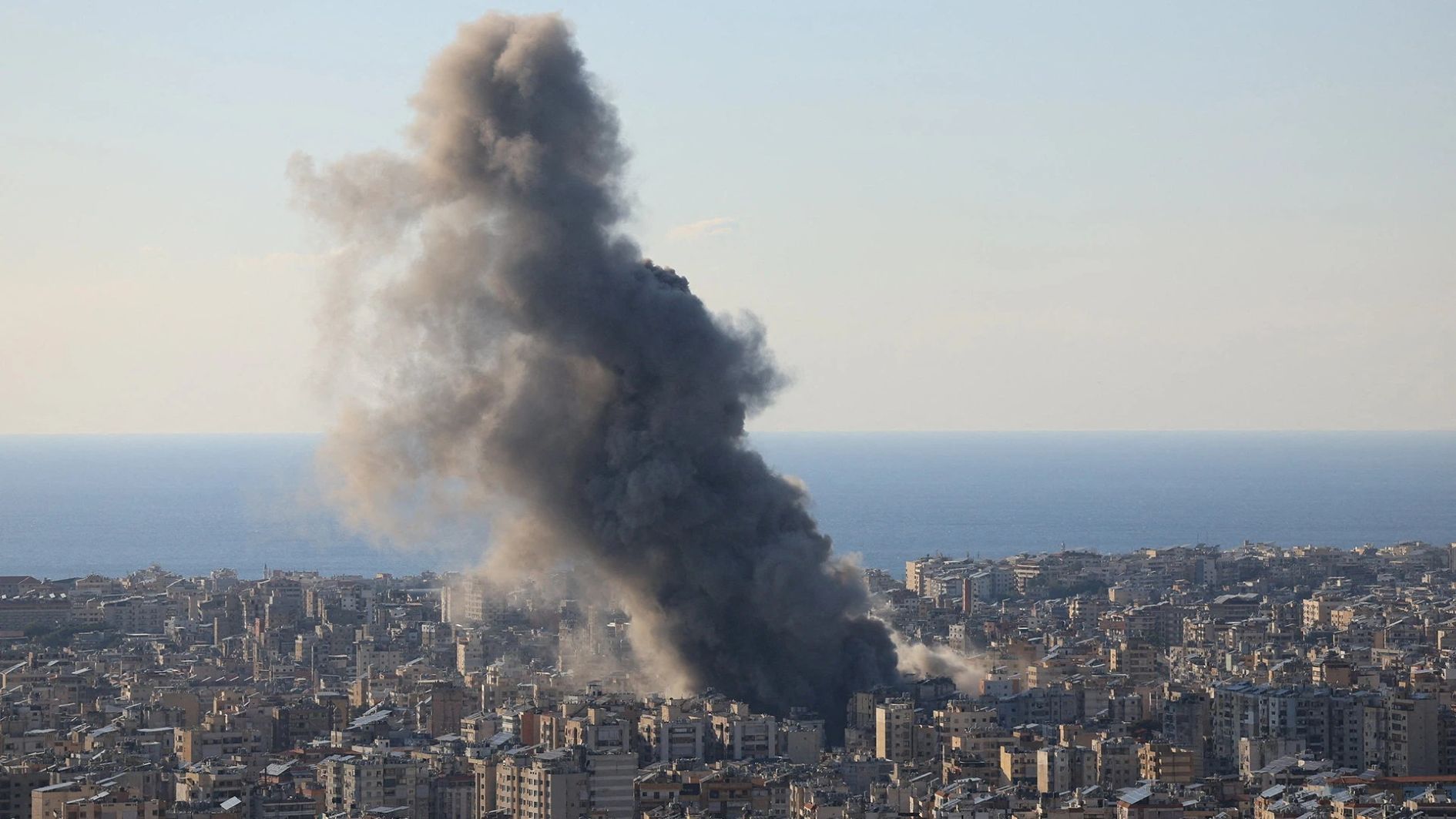
Global unemployment is expected to rise gradually, increasing by 0.1 percentage points in 2026 and 0.5 percentage points in 2027 as the Middle East crisis weighs on labour markets.
According to a new International Labour Organisation (ILO) report, ‘Employment and Social Trends: May 2026 Update’, the Middle East crisis is increasingly affecting jobs, working conditions and incomes far beyond the region, as higher energy costs, disrupted transport routes, supply chain pressure, weaker tourism and migration constraints weigh on economies and labour markets.
The survey said the conflict is expected to affect labour markets for some time, with the scale and duration of its effects depending on how the situation evolves.
While the full consequences will take time to materialise, the ILO warns that the shock is already transmitting through multiple channels, with pressures expected to build gradually in a global economy still marked by weak growth and decent work deficits.
Under an illustrative scenario in which oil prices climb about 50 per cent above their early 2026 average, global working hours are projected to fall by 0.5 per cent in 2026 and 1.1 per cent in 2027.
It stated that it is equivalent to 14 million and 38 million full-time equivalent jobs, respectively. At the same time, real labour incomes are expected to decline by 1.1 per cent and 3 per cent ($1.1 trillion and $3 trillion), respectively.

The report stated that the effects are expected to be highly uneven across regions, sectors and workers, with the Arab States and Asia and the Pacific identified as the most exposed due to their integration with Gulf energy flows, trade routes, supply chains and labour migration.
According to the Chief Economist at the ILO and author of the report, Sangheon Lee, said: “Beyond its human toll, the Middle East crisis is not a short-lived disruption. It is a slow-moving and potentially long-lasting shock that will gradually reshape labour markets.
“The world of work is one of the main channels through which global shocks become human shocks. What begins as an external shock eventually reaches workers and enterprises and can leave deeper scars by weakening the conditions that make work decent, secure and protected.”
Lee stated that the Arab States are the most directly exposed, through conflict-related disruption, damage to economic activity, displacement, energy and trade shocks, and pressure on migrant workers and refugees.
It said total working hours could fall by 1.3 per cent under rapid de-escalation, noting that this could reach 3.7 per cent under a prolonged crisis and 10.2 per cent under a severe escalation.
It said such a decline is more than twice the scale recorded during the COVID-19 pandemic in 2020.
Lee said around 40 per cent of employment in the region is concentrated in high-exposure sectors such as construction, manufacturing, transport, trade and hospitality.
He said migrant workers are expected to bear a disproportionate share of labour market adjustment.
On migration and remittances, Lee said they are a lifeline under pressure and that spillovers are putting them under further strain.
“If the crisis disrupts both deployments and remittance flows, the effects could spread to consumption, poverty and local employment in countries of origin,” the report says.
While the ILO has called for timely and well-targeted action, the report stated that policy responses have been rolled out across countries, but remain uneven, fragmented and often constrained by limited fiscal space.
The report said measures have largely focused on short-term stabilisation, including energy subsidies, cash transfers, business support and administrative steps for migrant workers.
The report noted that policy gaps are most acute in fragile and conflict-affected contexts.
The report says a sharper focus on jobs and incomes is needed to prevent a temporary energy shock from becoming a longer-lasting setback for decent work.
This, it said, includes ensuring that policy measures reach the most affected workers and enterprises, particularly informal workers, migrant workers, refugees, and small businesses, while balancing macroeconomic stability with employment protection.
The ILO also called for employment-centred crisis responses, grounded in social dialogue and aligned with international labour standards, to protect jobs, incomes and working conditions as the crisis evolves.
The ILO pledged to continue to monitor the labour market effects of the crisis as new data become available and transmission channels evolve.

