 Follow Us on Google News
 Follow Us on Google Discover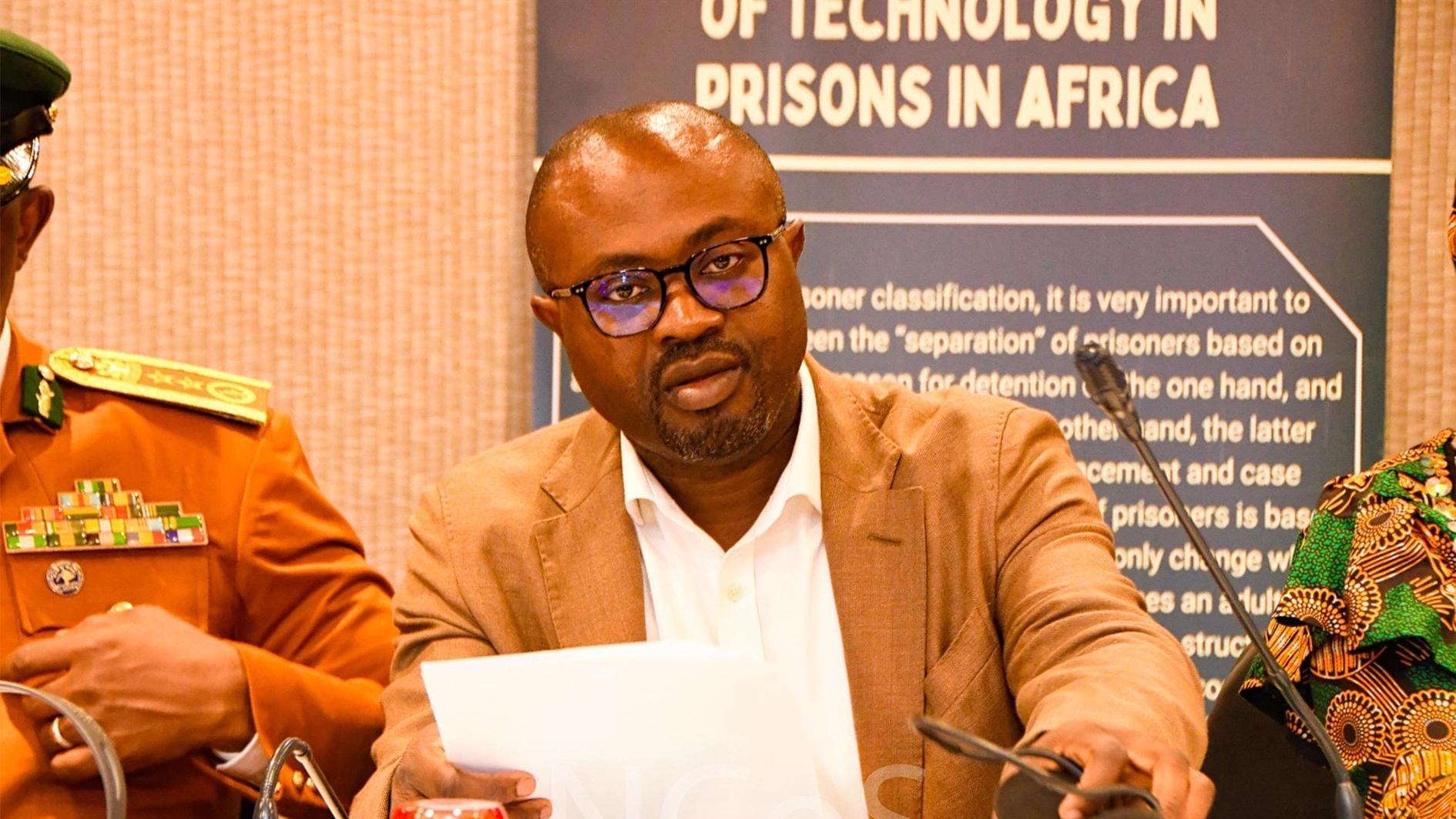
By: Babatunde Ogundare
Abuja once again demonstrated Nigeria’s growing influence in correctional administration as it hosted the African Correctional Services Association (ACSA), in collaboration with the United Nations Office on Drugs and Crime (UNODC), Regional Conference from 15 to 17 July 2026. The three-day conference brought together heads of prisons, penitentiaries and correctional services, policymakers, prison administrators, development partners, researchers, and criminal justice experts from across Africa and beyond to deliberate on two critical issues shaping the future of corrections on the continent: prisoner classification and the application of technology in correctional settings in Africa.
The conference provided a unique platform for African nations to exchange ideas, share experiences, and evaluate the progress made in modernizing prisons, penitentiaries and correctional institutions. Against the backdrop of increasing prison populations, overcrowding, security concerns and growing demands for rehabilitation, reformation and reintegration, participants agreed that technology has become indispensable to effective inmate management and institutional security. Discussions throughout the conference reinforced the need for African prisons, penitentiaries and correctional services to embrace innovation while maintaining internationally accepted standards of humane treatment of persons in custody.
Declaring the conference open, the Honourable Minister of Interior, Dr. Olubunmi Tunji-Ojo, delivered a thought-provoking keynote address that highlighted the remarkable transformation taking place in the Nigerian Correctional Service (NCoS). The Minister presented compelling statistics on Nigeria’s correctional system, outlining the scale of custodial operations and the reforms undertaken to improve efficiency, transparency, and security. He emphasized that technology has become one of the strongest pillars supporting the ongoing reforms, particularly in addressing long-standing challenges such as jailbreaks, poor inmate records management, delayed case tracking, and ineffective institutional coordination.
The Minister explained that the strategic deployment of digital solutions has significantly strengthened custodial security and improved decision-making in correctional facilities. According to him, technology is no longer a luxury but a necessity for modern corrections, especially in an era where criminal networks continue to adopt increasingly sophisticated methods. He challenged African governments to recognize correctional services as essential institutions for public safety, national security, and sustainable development rather than viewing prisons merely as places of confinement.
One of the conference’s most significant achievements was the opportunity it created for cross-fertilization of ideas among participating countries. Delegates openly reviewed one another’s correctional practices, shared success stories, discussed policy failures, and examined innovative approaches to offender management. The atmosphere of peer learning reflected a collective commitment to improving prison and correctional administration across the continent through collaboration rather than competition.

Countries represented at the conference presented their respective offender management systems, demonstrating varying degrees of technological advancement in inmate custody, rehabilitation, sentence administration, healthcare delivery, education, vocational training, and reintegration planning. These presentations revealed both the impressive strides made by some nations and the substantial gaps that still exist in many correctional systems. Delegates agreed that the exchange of knowledge and best practices would accelerate institutional reforms across Africa.
Among all the presentations, Nigeria’s showcase attracted considerable attention. The Nigerian Correctional Service demonstrated its Correctional Information Management System (CIMS), a comprehensive digital platform developed to manage virtually every aspect of offender administration. Built around approximately twelve integrated modules, the system supports inmate admission, prisoner classification, biometric identification, sentence computation, healthcare management, rehabilitation programmes, movement control, case management, release procedures, and other critical correctional functions. The integrated nature of the platform reflects Nigeria’s commitment to building a data-driven correctional system capable of meeting contemporary security and rehabilitation needs.
With its network of 256 custodial centres spread across the federation, Nigeria demonstrated that digital transformation is possible even within one of Africa’s largest correctional systems. Participants acknowledged that the scale and sophistication of the Nigerian Correctional Information Management System place the country among the continental leaders in the application of technology for correctional administration. Many delegates expressed interest in studying aspects of the Nigerian model for possible adaptation in their own jurisdictions.
The conference also devoted considerable attention to prisoner classification, recognising it as the foundation of effective correctional management. Experts agreed that accurate classification enables prison and correctional authorities to separate offenders according to security risk, criminal history, vulnerability, age, gender, medical condition, and rehabilitation needs. Proper classification not only enhances institutional security but also improves rehabilitation outcomes by ensuring that correctional interventions are tailored to the specific risks and needs of individual offenders.
While acknowledging the progress made by several countries, participants candidly identified the persistent challenges confronting prison and correctional systems across Africa. Foremost among these was the inadequate political and societal attention given to prisons and correctional services. Delegates observed that, despite their central role in criminal justice and public safety, prisons and correctional institutions often receive less policy attention, weaker political backing, and significantly lower budgetary allocations than many other security agencies. This neglect has contributed to ageing infrastructure, overcrowding, manpower shortages, limited rehabilitation opportunities, and slow technological advancement.
Participants therefore called upon African governments to reposition correctional services as strategic national institutions deserving of sustained investment. They stressed that meaningful criminal justice reform cannot be achieved without strong and well-resourced prison and correctional systems capable of securely managing offenders while preparing them for successful reintegration into society. Investment in prisons and corrections, they argued, ultimately contributes to safer communities, lower recidivism, and improved public confidence in the administration of justice.
One of the major recommendations emerging from the conference was the establishment of a dedicated prisons and correctional governance platform within regional organisations such as the African Union (AU), ECOWAS, the Southern African Development Community (SADC), and other regional blocs. Participants proposed the creation of a standing committee that would periodically convene Ministers responsible for prisons penitentiaries and corrections, heads of correctional services, development partners, and other key stakeholders to review emerging challenges, harmonize policies, promote regional cooperation, and coordinate continental reforms.
Delegates further emphasized the urgent need for sustained investment in correctional infrastructure, especially digital infrastructure. Modern correctional facilities require reliable information systems, secure communication networks, surveillance technologies, biometric identification, electronic records management, and integrated offender databases to effectively address contemporary security threats. Equally important is continuous investment in the training and capacity building of correctional personnel. Participants agreed that technology alone cannot transform correctional systems unless officers possess the knowledge and skills necessary to deploy and manage these innovations effectively.
The conference concluded with the adoption of a comprehensive communiqué reflecting the collective aspirations of participating countries. The communiqué reaffirmed the commitment of African prisons and correctional leaders to deepen regional cooperation, promote evidence-based offender management, strengthen prisoner classification systems, expand digital transformation initiatives, and advocate for greater governmental support for correctional services. It also encouraged continued collaboration with international partners such as UNODC, INL, ICRC and others in advancing humane, secure, and professionally managed correctional institutions throughout Africa.
As the curtains fell on the landmark conference, Nigeria emerged not only as an efficient host but also as a continental leader in correctional innovation. Much of this achievement reflects the visionary leadership of the Honourable Minister of Interior, Dr. Olubunmi Tunji-Ojo, an ethical hacker of more than 30 years, whose reform agenda has accelerated the digital transformation of the Nigerian Correctional Service, and the unwavering commitment of the Controller-General of Corrections (CGC), Sylvester Ndidi Nwakuche, MFR, mni, whose strategic implementation of these reforms has translated policy into measurable institutional progress. Together, their leadership has positioned Nigeria as a reference point for correctional modernization in Africa. The successful hosting of the 2026 ACSA–UNODC Regional Conference has therefore done more than facilitate dialogue; it has reinforced Nigeria’s reputation as a nation committed to building a correctional service that is secure, technology-driven, professionally managed, and firmly aligned with international best practices.
Barrister Babatunde Ogundare is the Special Adviser on Correctional Reforms

