 Follow Us on Google News
 Follow Us on Google Discover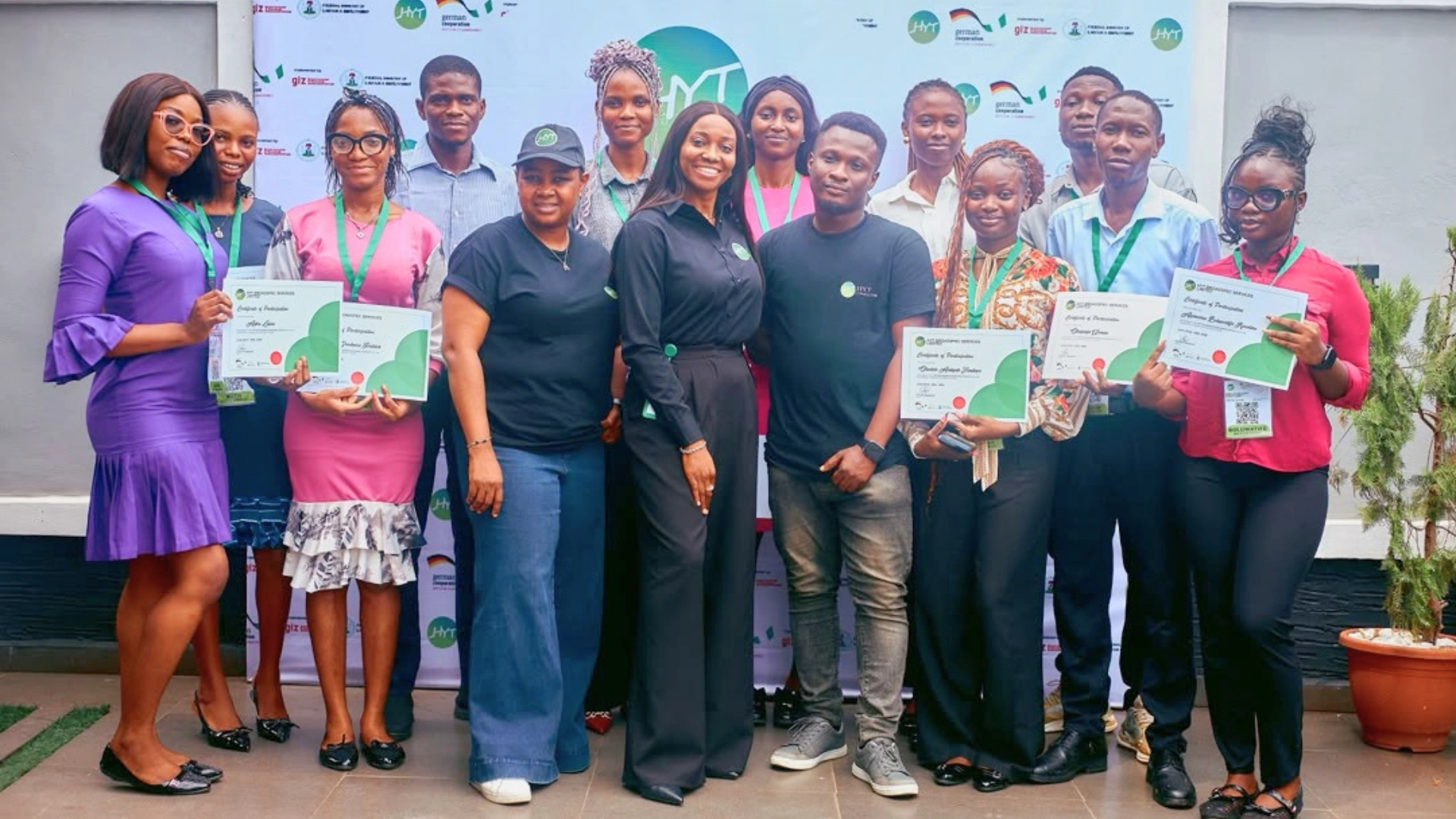
Nigerians have a familiar way of responding when competence becomes a public conversation: we turn it into humour. That is partly what the recent “olodo uprising” has shown. Beneath the jokes, memes, and social media takedowns is a more serious national anxiety about preparedness. Are young people being equipped to move from just knowing things to doing things? Are schools, employers and the wider economy preparing them for the demands of work, or are we simply producing graduates and leaving them to figure out employability on their own?
This question matters because Nigeria is not a small country trying to manage a small labour market. United Nations projections suggest that the country’s population could approach 400 million by 2050, placing it among the three most populous countries in the world. That scale often presents evidence of Nigeria’s future economic power. But population only becomes an advantage when people are equipped to create value. Without deliberate investment in human capital, a demographic dividend can quickly become a demographic burden.
This is what makes the work Folusho Odegbaike and HYT Consulting Limited are doing through the HYT Employability Bootcamp significant. HYT Consulting is not approaching graduate employability as an abstract policy conversation. As a human capital development and outsourcing company managing more than 6,000 outsourced employees across Nigeria and Ghana, it operates directly at the point where graduate expectations meet workplace realities. From that position, HYT has seen what many employers encounter during recruitment: young Nigerians with ambition, intelligence and qualifications who still require support to convert their potential into professional performance.
The company’s response has been to build that missing transition through the HYT Employability Bootcamp. The programme takes graduates, NYSC members and early-career professionals through practical training, interview preparation, workplace communication, professionalism, personal branding and other capabilities that determine how effectively a person functions within an organisation. Its latest cohort brought together participants physically and virtually across Nigeria, with a focus on sales opportunities in financial services and the fast-moving consumer goods sector. As Folusho Odegbaike, CEO of HYT Consulting Limited, puts it, “Our goal is simple: to produce candidates who are not only employable on paper, but able to create value from day one.”

The bootcamp matters because Nigeria’s employment debate has become too comfortable with blame. Universities can teach disciplines, but they may not teach a student how to explain the commercial value of a product, present an idea to a supervisor, manage workplace feedback, read a room during a client meeting, or respond when a prospect rejects an offer. These lessons often come through internships, mentorship, entry-level employment, and structured professional training. HYT’s bootcamp is strengthening this pathway, ensuring that more graduates and job-seekers do not enter recruitment processes at a disadvantage.
What separates HYT’s approach from the usual certificate-driven training culture is that participants are not only trained but also assessed, exposed to workplace expectations, prepared for interviews and connected to job placement opportunities. Across three successive cohorts, the bootcamp has trained over 400 young Nigerians for practical workplace demands while connecting them to jobs. Its employer feedback also points to the value of the bootcamp, with partners highlighting the professionalism, adaptability and workplace confidence of HYT-trained candidates. The programme has also attracted institutional support, including partnership with GIZ (Deutsche Gesellschaft für Internationale) and attendance of representatives from the Migrant Resource Centre (MRC), under the Federal Ministry of Labour and Employment (FMLE), at its just-concluded cohort closing ceremony, further reinforcing the importance of public-private collaboration in tackling youth unemployment and strengthening workforce development.

Corporate Nigeria must reconsider its role; Companies cannot continue to complain about an inadequate talent pipeline while treating talent development as somebody else’s responsibility. If businesses need better-prepared entry-level candidates, they must become more intentional about supporting the systems that produce them. That could mean sponsoring employability cohorts, gaining first access to pre-assessed candidates, building graduate programmes, or partnering with platforms like HYT that already understand the gap between employer demand and graduate readiness. Companies that invest early in readiness do not just hire better, but they help shape the future of work.
As Nigeria moves towards an estimated population of 400 million, its future advantage will depend less on how many young people it educates and more on how many can convert education into productivity, income and enterprise. HYT Consulting has shown that the gap between graduation and professional readiness is neither imaginary nor impossible to close. HYT has trained over 400 graduates and provided job placements for top-performing participants across organisations including Flour Mills of Nigeria (FMN), Providus Bank, Coronation, Cardinal Torch, OneCard, Heirs Insurance, Cloud Interactive, Quintessence, PNN and others.
Nigeria will continue to produce graduates, but the more important task is ensuring that it also produces professionals. HYT has chosen to work on that task. For companies serious about building a stronger entry-level talent pipeline, this is not just a social impact opportunity but a workforce strategy worth paying attention to.

