 Follow Us on Google News
 Follow Us on Google Discover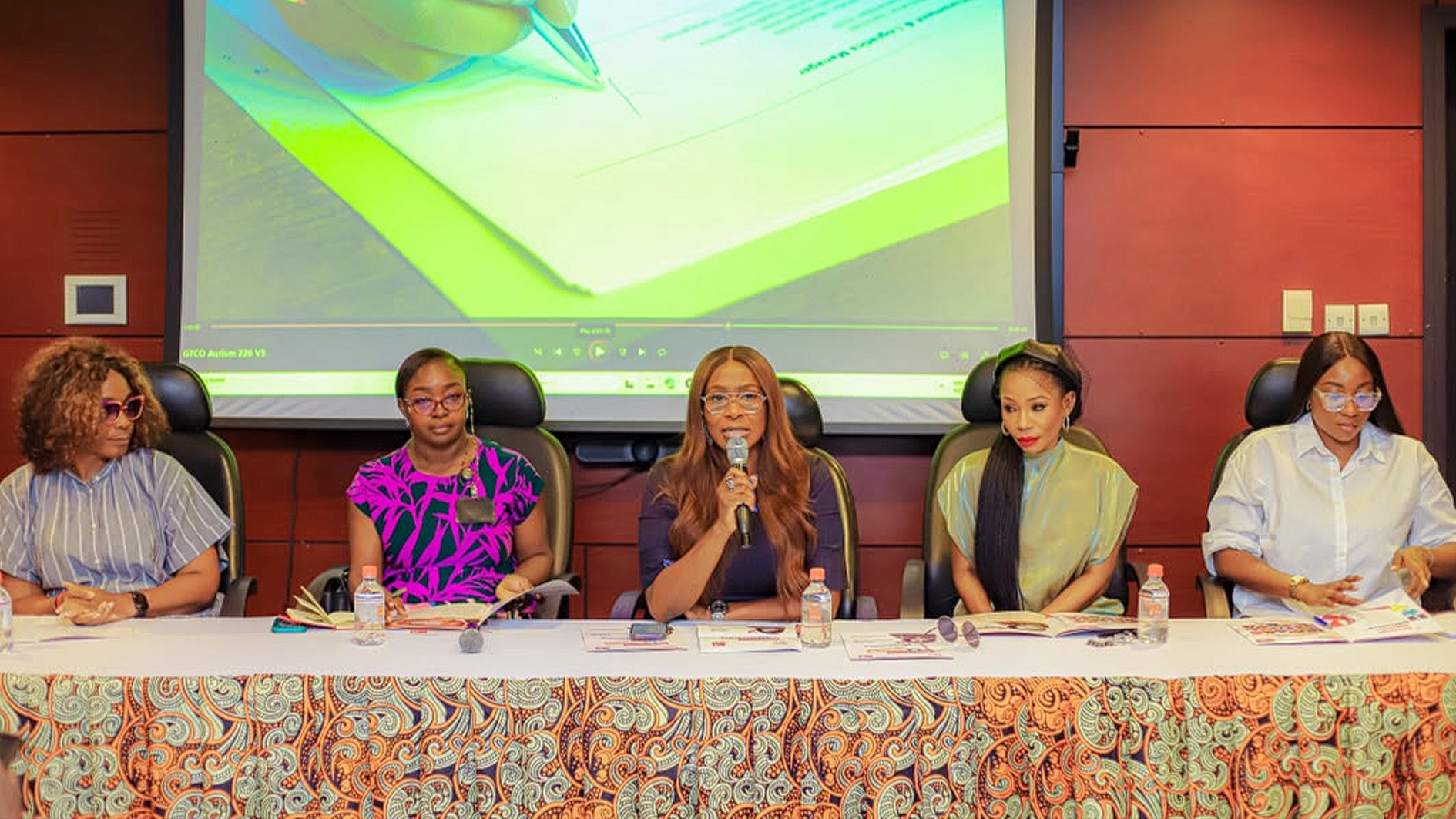
Stakeholders have called for greater acceptance and empathy-driven support for people living with autism across Nigerian communities, urging governments, organisations and the public to complement awareness campaigns with practical inclusion through training, policy reforms and recognition of invisible disabilities.
The call was made at a media briefing ahead of the 16th Guaranty Trust Holding Company (GTCO) Autism Conference, where experts stressed that meaningful inclusion must extend beyond awareness to deliberate action in homes, schools, workplaces and public spaces.
Now in its 16th year, the 2026 Autism conference, themed, ‘Acceptance in Action: From Family to Classroom to Workplace to Public Spaces,’ reflects a deliberate shift from creating awareness about autism to promoting practical acceptance.
According to GTCO, the event will feature expert-led discussions, workshops and free one-on-one consultations for families and individuals living with autism from July 29 to August 1 in Ikeja, Lagos.
Speaking at the briefing, the Group Chief Executive Officer of GTCO, Segun Agbaje, said the programme has evolved into a platform that connects families with development experts while advancing conversations around autism inclusion across West Africa.
He said this year’s theme challenges society to make inclusion visible in schools, workplaces and public spaces, adding that building an inclusive society requires collective action from families, educators, employers and policymakers.
“No single institution can build an inclusive society alone. It takes families willing to advocate, educators willing to adapt, employers willing to open doors and policymakers willing to act,” he said.

GTCO’s Chief Communications Officer, Oyinade Ogunade, said the theme underscores the need to move beyond merely recognising autism to creating environments where individuals on the spectrum are understood, supported and treated with dignity.
She explained that acceptance could be as simple as remaining calm when a child on the autism spectrum displays unusual behaviour in public or creating spaces where affected families feel understood instead of judged.
According to her, acceptance is ultimately a call to humanity, requiring patience, compassion and understanding even when people cannot solve every challenge faced by individuals living with autism.
Behaviour Analyst and Psychologist, Osezusi Bolodeoku, said although awareness of autism has improved over the years, communities must now prioritise acceptance, noting that genuine inclusion is reflected in everyday actions rather than words.
She encouraged families and community members to recognise developmental concerns early, seek professional support and ensure children living with autism feel accepted and included.
Also speaking, Founder of Cradle Lounge Special Needs Initiative, Solape Azazi, said acceptance begins within families by recognising that autism is neither caused by spiritual forces nor parental failures. She urged parents to see the child before the diagnosis, show unconditional love and educate neighbours and community members to dispel myths and reduce stigma.
Azazi added that grassroots advocacy in markets, schools, religious centres and primary healthcare facilities has helped improve public understanding of autism. She also cited autism sensitisation training organised for airport personnel following an incident involving her son, noting that ignorance rather than malice often fuels discrimination against people living with invisible disabilities.
Board Certified Behaviour Analyst, Dr. Eziafakaku Nwokolo, said creating inclusive public spaces requires empathy and practical adjustments that enable individuals on the autism spectrum to participate fully in society.
She urged employers and service providers to improve communication, accommodate diverse behavioural needs and avoid making assumptions about people whose disabilities may not be physically visible.
Nwokolo also called on governments to expand disability policies to recognise invisible disabilities such as autism and involve parents, professionals and advocacy groups in developing interventions.
According to her, policies designed without input from people directly affected often fail to address the realities faced by individuals living with autism and their families.

