 Follow Us on Google News
 Follow Us on Google Discover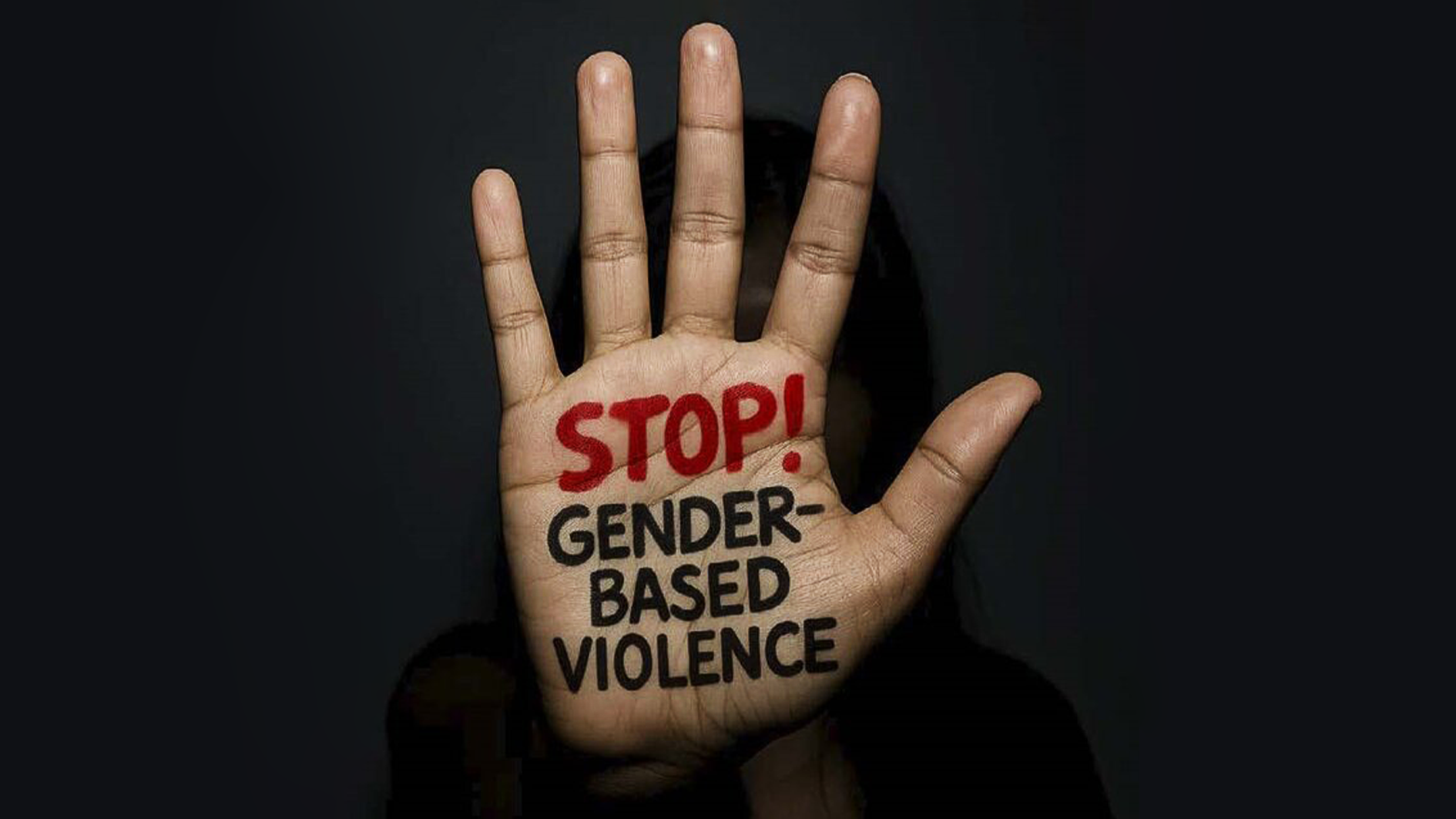
Traditional and religious leaders in Osun State have been urged to shun traditional and spiritual beliefs that encourage violence against women and girls.
This charge came as the head of the affected institutions pledged their renewed commitment towards preventing the trend of violence against the female folks in the state.
They made this resolve during a separate Consultative Forum with traditional and religious leaders in Osun State.
A non-governmental organisation, the Centre for Women’s Health and Information (CEWHIN), with support from the Ford Foundation, organised the training programme in Osogbo to strengthen community-led action for the prevention of violence against women and girls (VAWG), including harmful cultural practices, physical and sexual abuse, and other forms of gender-based violence rooted in social and traditional norms.
The forum was organised under the Partnership for Enhanced VAW/G Prevention Among Religious and Traditional Stakeholders in Ogun and Osun States, Nigeria, also known as the Ford Partnership for Violence Prevention (PVP) Project, which CEWHIN is implementing to engage
influential community structures in preventing violence against women and girls.
The consultative session brought together traditional and religious leaders and key community stakeholders to reflect on harmful norms and practices that increase the vulnerability of women and girls to violence, and to identify practical ways traditional institutions can promote safety, dignity, accountability and prevention within their communities.
After breaking into group sessions, the participants brainstormed on how they would strategize to prevent incidents of violence against the female folks.
They agreed to return to their domains, step down the training to their chiefs and other leaders of thoughts. They also promised to look into cultural practices that violate the rights of women with a view to stopping harmful traditional acts.
Speaking, a traditional ruler of Ara Kingdom in Osun State, Oba Olubayo Windapo stressed the need for the traditional institution to weed out cultural practices that debase human and rob their dignity.
“We need to start educating our people and the earlier the better. We need to start educating our children regarding some of our cultural issues that are harmful to women as early as when they are in primary schools and we need to enbolding them so that they can speak up when they come across any form of abuse,” he said.
In her submission, Olori Abisola Aderibigbe Okunade Omirin condemned misuse and abuse of women and girls, pledging that female traditional leaders would sensitive woman in communities to protect themselves and their children and should not endure violence under any guise.
At the session for religious leaders, many preventive measures against violence were proffered.
The Amirah of the Federation of Muslim Women’s Associations in Nigeria (FOMWAN), Osun State chapter, Mrs Fauzia Adenike described violence against women as “evil” that must be tamed. She said all hands must be on deck to tackle the menace especially in the area of prevention.
According to her, faithful would be sensitized through sermons and trainings would be organized for other clerics and believers.
Also, CEWHIN trained young citizens of the state on how to prevent internet-facilitated violence and the participants including youth advocates, legal practitioners, civil society activists, among others, pledged their resolve to intensity their campaigns against violence against women and girls in Osun State.
Speaking on the objective of the Consultative Forum, the Senior Programme Officer of CEWHIN, Julia Afachung said “By engaging custodians of culture and religious authority, the two fora seek
to strengthen local leadership in challenging harmful norms, promoting protective practices, and supporting collective action to prevent violence against women and girls.
The session featured discussions on the role of traditional and religious leaders in preventing VAWG, the influence of cultural and spiritual beliefs and practices on women’s and girls’ safety, and strategies for using traditional leadership platforms to promote prevention messages, survivor support, referral pathways and community accountability.”

