 Follow Us on Google News
 Follow Us on Google Discover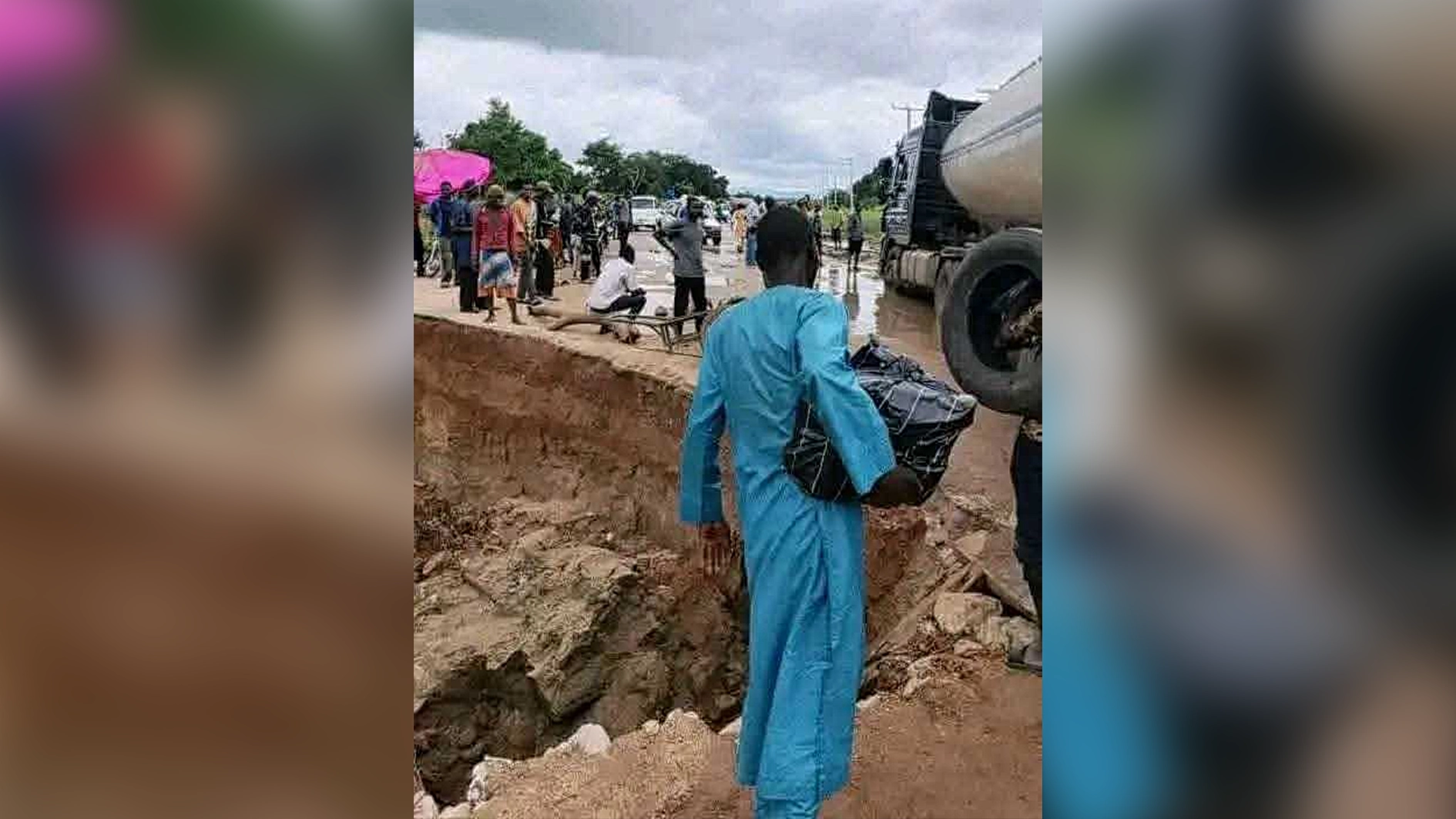
Residents, motorists and other road users in Bali local government council of Taraba state have raised the alarm over the worsening condition of the Zaga–Bali road, calling on the state government and relevant authorities to urgently intervene before the route becomes completely impassable.
The road, which provides an important link between Zaga and Bali and connects communities to the wider road network in the area, has reportedly deteriorated significantly, making movement increasingly difficult for motorists and commuters.

For residents who depend on the road for their daily activities, the deteriorating condition is more than a transportation challenge. It is a growing threat to the movement of agricultural produce, access to markets, healthcare, education and other essential services.
Motorists using the route are particularly concerned about the difficulties posed by the poor road condition, especially as continued neglect could lead to further deterioration and potentially isolate communities that depend on the road.
Residents who spoke with The Guardian fear that delaying intervention until the road becomes completely un-motorable could increase the economic and social burden on communities along the route.
Zaga, located in Bali local government council, is connected to the wider Bali road network, making the condition of its connecting roads significant to the movement of people and goods within the area.
Public records have also previously identified the Zaga–Kwassa road among routes requiring rehabilitation, further highlighting the need for sustained attention to road infrastructure in the area.
“We are therefore appealing to the Taraba state government and relevant road authorities to conduct an immediate inspection of the Zaga–Bali road and assess the extent of the deterioration”, said a resident who identified herself as Salama Ibrahim.
She also called for a comprehensive and sustainable rehabilitation programme rather than temporary repairs that may not withstand the pressure of regular use and seasonal weather conditions.
For communities along the route, the road represents a vital connection to economic and social opportunities.
Farmers depend on accessible roads to transport agricultural produce from their communities to markets. Poor road conditions can increase transportation costs, delay the movement of goods and potentially reduce the income of farmers and traders.
Similarly, residents requiring medical attention, students travelling to schools and families seeking access to other essential services may face additional difficulties when roads become severely degraded.
The residents argue that maintaining the road should therefore be treated as an essential public responsibility rather than simply an infrastructure project.
“We urged the government not to wait until the Zaga–Bali road becomes completely impassable before taking action,” Said Jauro Uuman.
Like his counterparts, he called for an urgent technical assessment, immediate remedial measures where necessary and a long-term rehabilitation plan capable of restoring the road to a safe and durable condition.
They stressed that early intervention would not only prevent further deterioration but could also reduce the financial burden associated with reconstructing a severely damaged road.
The residents are particularly appealing to the state government to treat the condition of the road as a matter requiring urgent attention, noting that good road infrastructure remains critical to economic development and the wellbeing of rural communities.
As concerns continue to grow, residents, motorists and other road users are hoping that the authorities will respond before the deteriorating Zaga–Bali road reaches a point where movement is completely disrupted.
For the people who depend on the route every day, the message is simple: the road cannot wait until it becomes impassable before help arrives. They deserve safe, reliable and accessible roads.

