 Follow Us on Google News
 Follow Us on Google Discover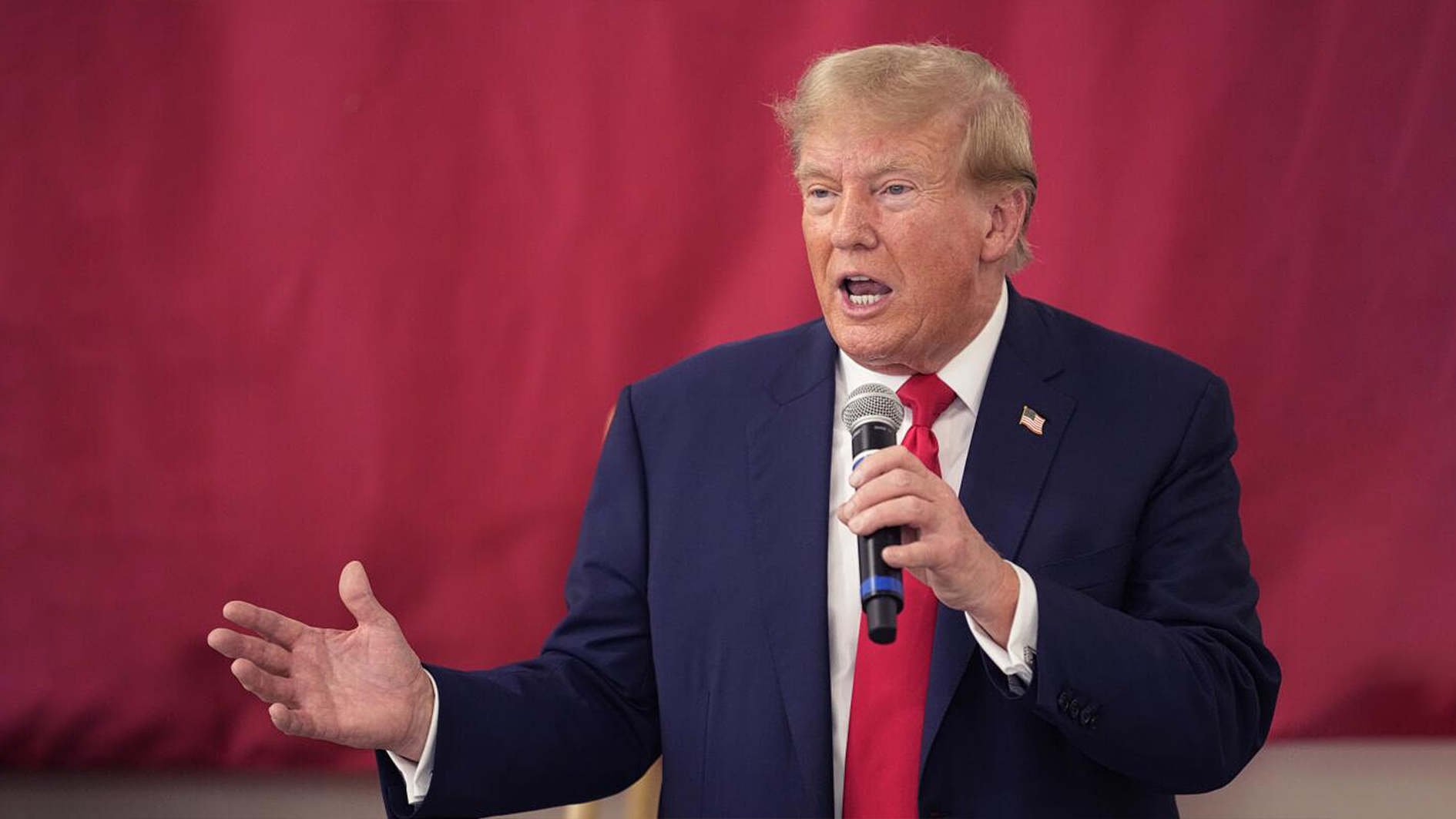
More concerns have been raised about the negative impact of artificial intelligence (AI) on humans.
A former Google DeepMind researcher, Bilal Chughtai, warned that AI could “kill us all”, saying there may be little time left to prevent such an outcome as advanced AI development accelerates.
Chughtai, who worked as a research engineer on artificial general intelligence (AGI) safety and alignment research at Google DeepMind, made the comments on X.
Chughtai’s warning comes amid growing concern among AI researchers and global leaders about the potential consequences of rapidly advancing AI systems.
Last week, Anthropic researcher Jacob Coxon, while resigning from the firm, raised the alarm that at the rate AI companies are advancing, the technology could wipe out humans any time soon.
He claimed that AI companies “are racing straight to self-improving superintelligence and gambling with our lives.”

Anthropic scientist, Evan Hubinger, subsequently backed Coxon’s assessment, saying he believed there was a greater than 10 per cent chance that AI could kill all humans within the next decade.
Indeed, Chughtai said the risks posed by advanced AI are severe and that there may be limited time to prevent the worst-case scenarios.
“At Google, I witnessed AI development first-hand. I too am extremely concerned by the default trajectory of this technology. I earnestly believe that AI has the potential to kill us all, and that we might be running out of time to avoid this outcome,” Chughtai wrote.
He said the pace of AI development over the past few years has been “staggering”, noting that AI systems have advanced significantly since he began working in the field in early 2022.
Chughtai also said he believes AI companies could succeed within the next few years in developing superintelligent systems that exceed human capabilities across every domain.
He said safely navigating AI development remains possible but would require greater coordination among companies developing increasingly advanced systems.
“We need to pace AI development to a speed that society can handle, where emerging risks can be addressed before extreme harm is realised,” he said.
Chughtai also described AI alignment, the effort to ensure AI systems behave as intended, as a difficult and unresolved problem.
According to him, the current understanding of how to train AI systems to reliably pursue human goals remains limited, while frontier AI capabilities are improving faster than researchers’ understanding of alignment.
Chughtai also called for coordination among AI companies to avoid what he described as a “manic race” in AI development.
Meanwhile, U.S. President Donald Trump has dismissed fears that artificial intelligence could wipe out humanity, calling them a hoax and rejecting global calls to put guardrails around the fast-moving technology.
Trump’s pushback comes amid growing international alarm about AI, with even some tech bosses saying development of computer super-intelligence needs to slow down.
Trump said the United States could not afford to lose a technological race with rival China and insisted the only guardrails necessary were a “Strong and Smart (High IQ!) President, and the U.S.A. has that, in spades!”
“AI taking over the World, destroying Humanity, and all other things bad, is a HOAX,” Trump said in one of a series of posts on his Truth Social network about the subject.
Trump compared it to what he called “all the other hoaxes,” including the investigation into ties between his election campaign and Russia, and his impeachment over Ukraine, both in his first term.
Earlier, Trump alleged what he called a “sick conspiracy” against AI and attacked “conspiracy theorists, treasonists, traitors and leakers” who opposed the technology.
The U.S. leader also lashed out at Anthropic Chief Executive Dario Amodei, who called on Saturday for AI companies to ease the pace of development.
“The Trump Administration has stopped AI ‘people’ from doing bad, or potentially bad, ‘things,’ like Dario (Anthropic!), who is now pretending to be a ‘perfect little angel’,” the US president wrote.
Trump, who has made AI data centres central to his economic plans, questioned why AI firms want regulation that “will drive them into oblivion and bankruptcy.”
He also trained his fire on Google, urging it to rethink plans for a $15 billion AI investment in Finland, which he blamed on “finding permitting too difficult in the United States.”
But the President now faces a growing backlash from U.S. voters amid the mounting fears that AI could wipe out humanity by creating pathogens or triggering nuclear war.
A majority of Americans are also opposed to energy-guzzling AI data centres, which have become a major issue in crucial US midterm elections in November.

