 Follow Us on Google News
 Follow Us on Google Discover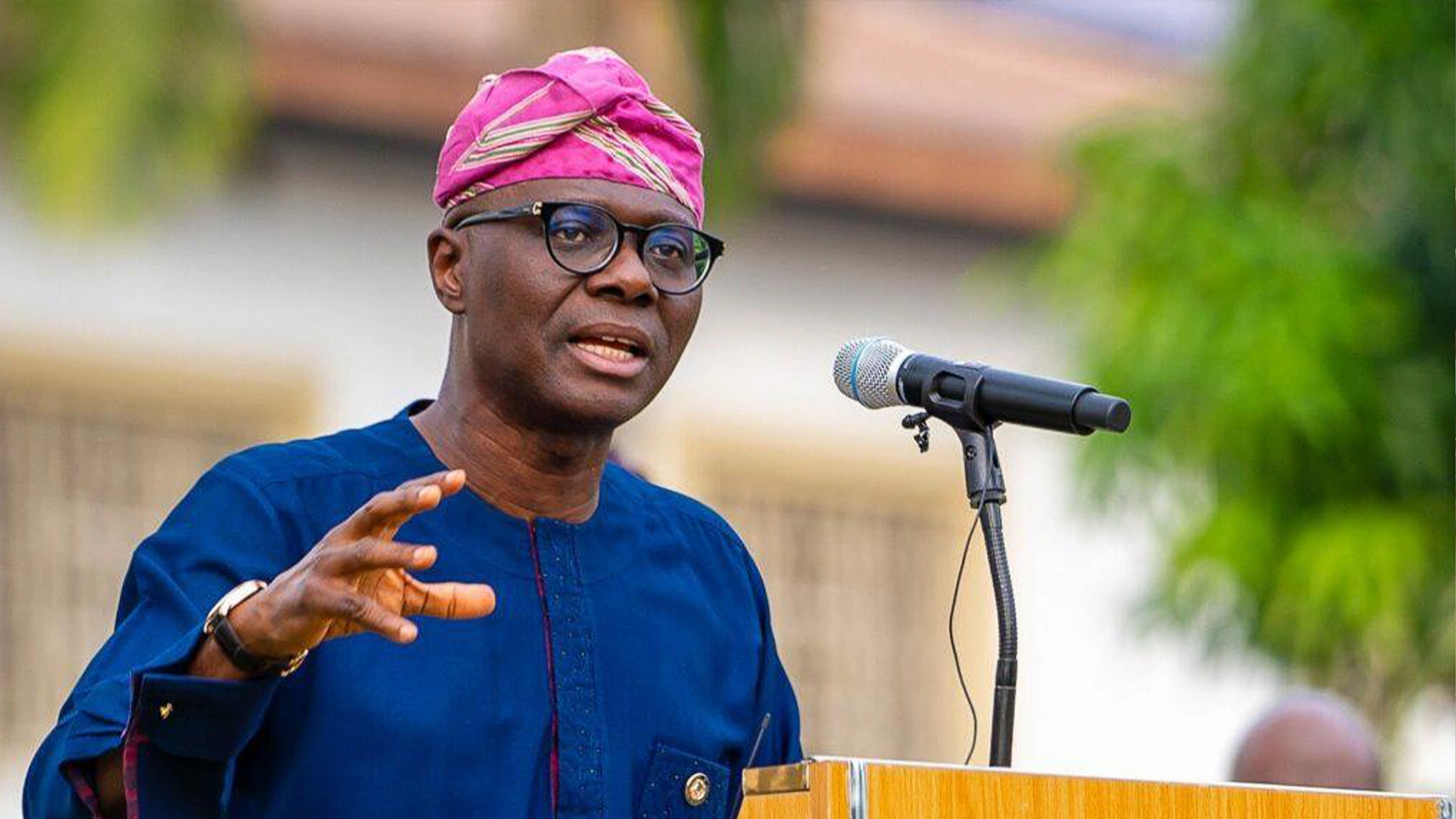
Says continuity key to Lagos progress, development
Lagos State Governor, Babajide Sanwo-Olu, has urged politicians to move away from focusing only on four-year election cycles and embrace long-term planning, saying that leaders should be willing to invest in projects whose benefits may be enjoyed by future generations.
He also advocated continuity in governance, saying that Lagos development has been driven by successive administrations building on the vision of their predecessors.
Sanwo-Olu stated this yesterday at the Yoruba Tennis Club centenary anniversary lecture, themed “Democracy, Governance and the Lagos Spirit: A Century of Excellence,” held at the club’s Greetings Hall, Onikan, Lagos.
The governor said the state had maintained the same development blueprint since the return of democracy in 1999, describing continuity as one of the four habits of Lagos’ way of governing.
According to him, the blueprint introduced under former Governor Bola Ahmed Tinubu had been sustained by successive administrations, allowing each government to inherit a plan rather than start from a blank page.

He also identified self-reliance, partnership and measuring governance by its impact on ordinary people as other features of what he described as the Lagos governance model, adding that Lagos had strengthened its revenue system when federal allocations were withheld, leading the state to rely more on internally generated revenue to fund development.
Sanwo-Olu said the state had repeatedly worked with the private sector and other stakeholders to address challenges, citing the Lagos State Security Trust Fund, the Bus Rapid Transit system and developments around the Lekki corridor as examples.
He said the success of governance should ultimately be measured by its effect on residents, including whether health workers could get to work on time, children could have access to basic learning facilities and traders could move their goods efficiently.
The governor, who said that Lagos had also played a significant role in Nigeria’s democratic development, recalling the establishment of the Nigerian National Democratic Party in Lagos in 1923 and the city’s role in the June 12 pro-democracy movement, urged the Yoruba Tennis Club to preserve its founding values while adapting to changing times as it begins its second century.
He advised the club to maintain high standards in admitting new members, preserve its archives, encourage youth participation and create opportunities for younger members to take leadership positions.
Earlier, Chairman of the Yoruba Tennis Club, Olawumi Gasper, said the club had remained relevant through a century of social and institutional changes in Lagos.
Meanwhile, as part of the centenary activities, the club unveiled its 100-year history book, held an exhibition of historical and archival materials and performed the turning of the sod for its proposed Legacy Building.

