 Follow Us on Google News
 Follow Us on Google Discover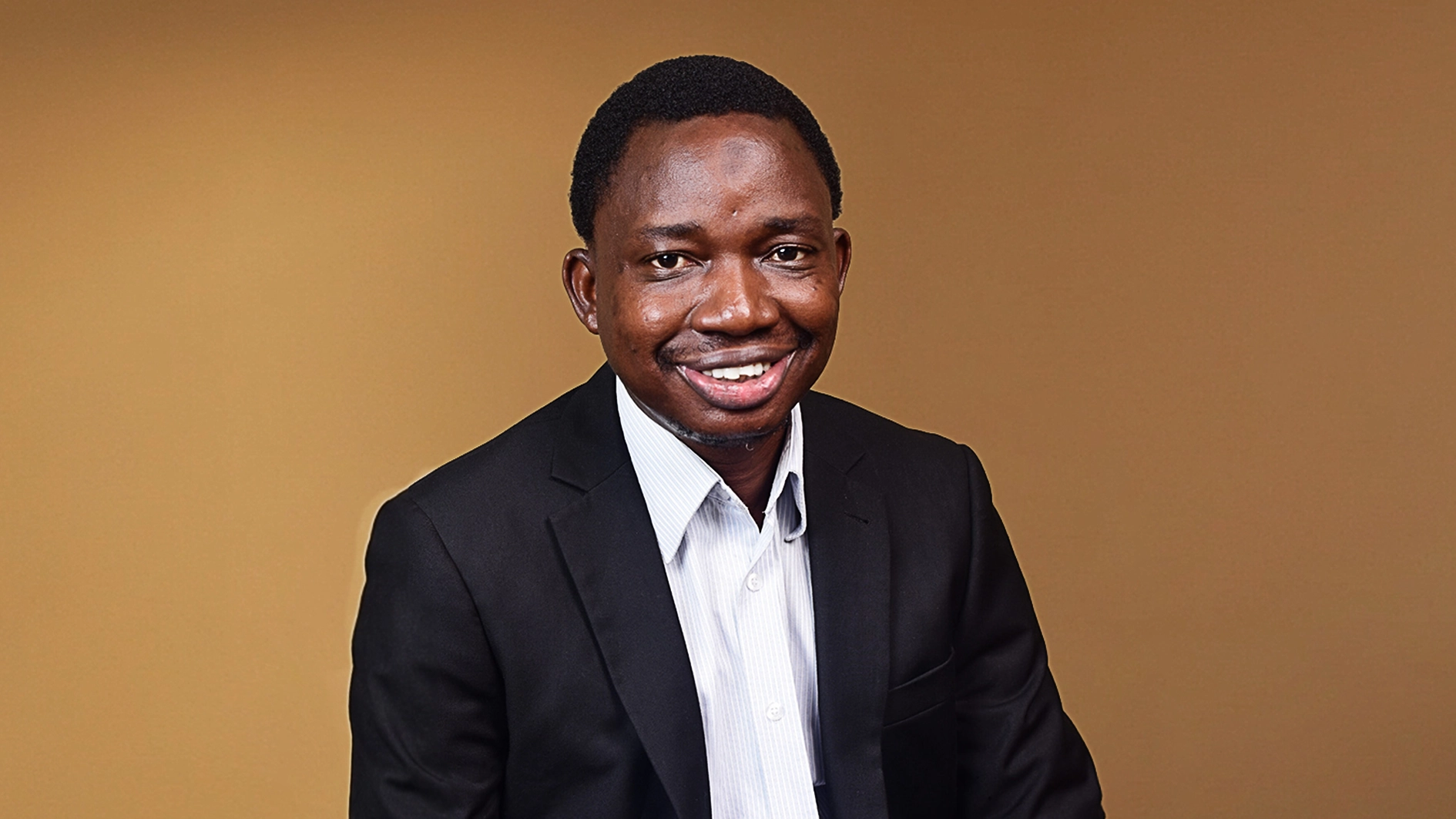
For many Nigerians living with persistent joint pain, stiffness and swelling, painkillers and informal remedies are often the first response instead of professional medical care.
However, Consultant Rheumatologist and Associate Professor at the Lagos State University Teaching Hospital and Lagos State University College of Medicine, Olaosebikan Hakeem, has warned that delayed diagnosis and self-medication can worsen arthritis and other rheumatic disorders, leading to prolonged pain, disability and loss of productivity.
The warning comes amid concerns over the growing burden of rheumatic and musculoskeletal diseases (RMDs) in Nigeria. According to data cited from the Nigerian Orthopaedic Association, more than 1.5 million Nigerians receive treatment for or suffer from arthritis annually, although the actual community burden may be higher because of underreporting and limited access to diagnosis.
Hakeem said Nigeria faces a severe shortage of specialists, with fewer than 30 to 40 practising rheumatologists serving a population of more than 220 million people. The country also has only one paediatric rheumatologist for children with rheumatic and musculoskeletal diseases.
He explained that RMDs comprise more than 100 conditions affecting the joints, muscles, bones, ligaments, tendons, connective tissues and immune system. They include osteoarthritis, chronic low back pain, rheumatoid arthritis, systemic lupus erythematosus and gout. Contrary to the belief that arthritis is mainly a disease of old age, he said rheumatic diseases affect people of different ages, including children and young adults.
According to him, osteoarthritis is the most common rheumatic condition in Nigeria, while inflammatory diseases such as rheumatoid arthritis and lupus frequently affect people in their productive years. He identified obesity, previous injuries, family history, hypertension, diabetes, elevated uric acid levels, physical inactivity and some occupational activities as risk factors.

Hakeem said inadequate specialist care, limited diagnostic facilities, high treatment costs, late presentation, weak referral systems and the migration of healthcare professionals have compounded the problem. Patients may also initially be treated for malaria or typhoid because symptoms such as joint pain, fatigue and fever can overlap with common illnesses. Others turn to traditional remedies, bone-setters, faith healing or patent medicine stores, delaying appropriate care.
He particularly cautioned against self-medication with over-the-counter painkillers, noting that while they may provide temporary relief, they do not address the underlying disease and can cause complications such as ulcers, kidney and liver damage and heart problems.
The specialist said diagnosis is further hampered by inadequate and expensive access to advanced imaging and specialised laboratory tests, particularly outside major urban centres. In some cases, samples must be sent outside the country, increasing costs and delaying treatment.
Treatment can also be financially burdensome. Hakeem said long-term medicines and monitoring can impose high costs, while some biologic therapies can cost hundreds of thousands to more than N1 million, depending on the drug and treatment schedule. Limited insurance coverage for specialist care, expensive medicines and rehabilitation further increases the risk of treatment abandonment.
He stressed that early diagnosis is particularly important in inflammatory arthritis because the first months after disease onset provide a critical window for disease-modifying treatment to suppress inflammation and prevent or reduce irreversible joint damage. For osteoarthritis, early intervention through weight management, physical activity, appropriate medication and rehabilitation can help preserve mobility and quality of life.
To address the burden, Hakeem called for increased investment in rheumatology training, better incentives and working conditions to retain specialists, and the integration of basic recognition and referral of rheumatic diseases into primary healthcare.
He also advocated improved diagnostic infrastructure, wider access to essential medicines and monitoring tests, expanded health insurance coverage, and the use of telemedicine and task-shifting to extend specialist support to underserved communities.
He urged Nigerians not to dismiss persistent joint pain, swelling or prolonged morning stiffness as a normal part of ageing. He advised people to maintain a healthy weight, exercise appropriately, avoid prolonged inactivity, practise good workplace ergonomics, prevent injuries and control conditions such as hypertension and diabetes.
Hakeem said the priority should be ensuring that Nigerians receive the correct diagnosis and treatment before persistent pain progresses to permanent disability, noting that many rheumatic conditions are treatable, particularly when identified early.

