 Follow Us on Google News
 Follow Us on Google Discover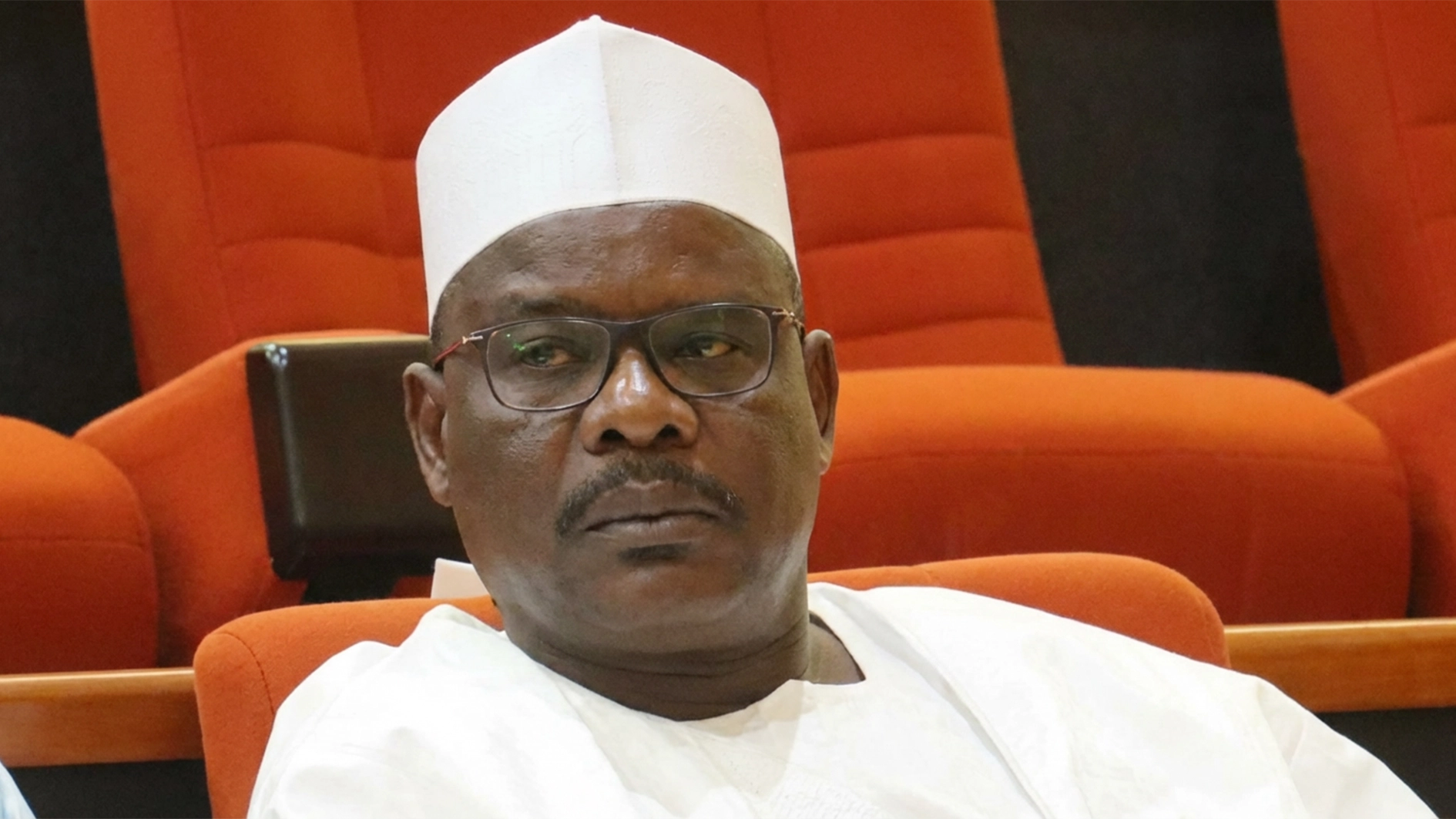
West Africa’s worsening climate, migration and security challenges have renewed calls for stronger legislative powers for the Parliament of Economic Community of West African States (ECOWAS Parliament) through the amendment of the legal framework establishing it.
The concerns were raised by Nigerian lawmakers – Senators Ali Ndume and Awaji N. Abiante on the sideline of the ongoing 2026 Second Extraordinary Session and Seminar holding in Accra, Ghana.
Worried that despite their commitment towards a regional bloc that is devoid of socio-political and economic quagmires, their limited power as an advisory body deprives them of necessary authority to hold the executive arm of government accountable at both national and regional levels.
Speaking on climate change as the driving force behind environmental degradation, population displacement and growing insecurity in the region, the discussions exposed a fundamental institutional question on how the parliament can effectively respond to problems when its role is simply consultative.
The lawmakers respectively, called for strengthening of the parliament to enable its recommendations carry greater legislative weight.
“The issue is how the power of the regional parliament can be increased so that they don’t just advice or make recommendations but be able to compel implementation of recommendations.”

“The articles have to be amended to give ECOWAS more legislative powers, and to also give the ECOWAS judiciary more powers”, they held.
Senator Ndume personally questioned the practical impact of an institution whose recommendations can depend on decisions by other ECOWAS organs.
“Do we have powers outside of advisory? And how many of the pieces of advice rendered have honestly been considered? He asked, describing climate change as a governance test.
The week-long meeting has focused on the increasing climate-related pressures on migration, food security, pastoralism land use and regional security. The seminar examined how environmental degradation and changing conditions can contribute to population displacement as well as the implications of population movements across borders on communities and governments.
Ndume, who linked the movement of pastoral communities from environmentally stressed areas with the farmer-herder tensions, particularly in Nigeria, blamed the crises largely on failure of government to effectively engage communities and herders on the implications of their actions.
Recalling failed ranching programme and lack of political will to take necessary actions, the lawmaker insisted that where there are no good laws and order, there is bound to be crisis
He therefore called for clearer legal frameworks for livestock movement, land use and resource management.
For him, the issue demonstrates why regional institutions need sufficient authority to turn policy discussions into coordinated action.
“The ECOWAS Parliament’s legal framework already gives it responsibilities in regional integration, peace, security and the enactment of Community Acts. Its 2016 Supplementary Act provides for parliamentary opinions and mandatory assent in specified areas but the distinction between having parliamentary functions and possessing full legislative authority remains important.
Recall that an ECOWAS document has previously acknowledged that the Parliament’s powers were intended to progress from an advisory role towards co-decision and eventually a law-making role in areas defined by the regional Authority, but it has remained largely consultative and advisory despite earlier ambition.
Consequently, it can adopt resolutions and exercise oversight but some of its resolutions must pass through other ECOWAS institutions before they become legal texts for implementation.
Even the Parliament itself has explained that its resolutions are transmitted to the Council of Ministers, which can recommend them to the Authority of Heads of State and Government for adoption as community legal texts.
It is such institutional pathway that worries lawmakers, who argued that responsibility and accountability should go together.
“Until you give a man responsibilities, you cannot question him on what he has done. So, a stronger Parliament will make regional lawmakers more directly accountable for the issues they debate.
“That is the essence of being a member of parliament, to represent your people, advocate, speak to issues and if possible, hold institutions to account”, Ndume said.

