 Follow Us on Google News
 Follow Us on Google Discover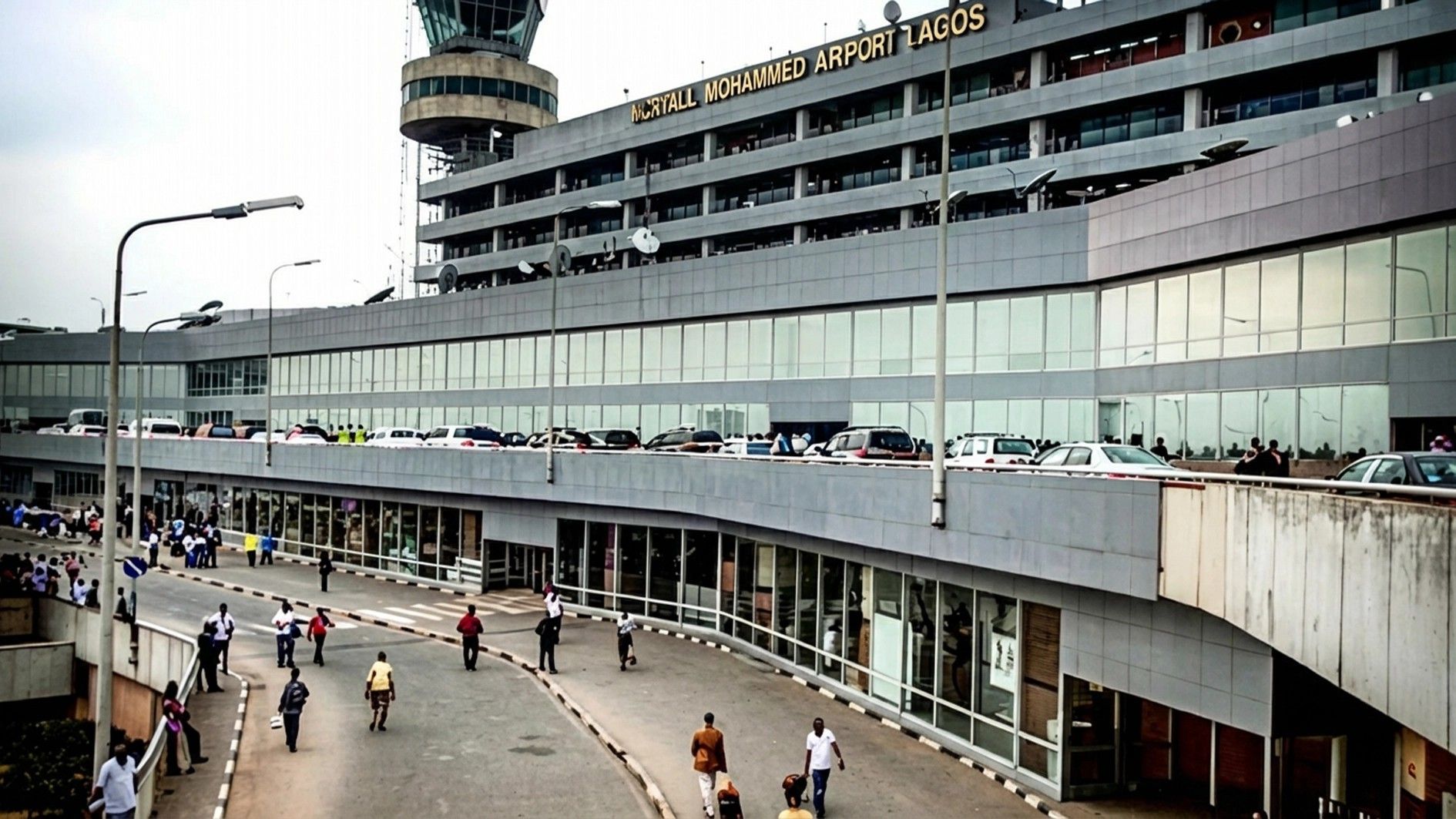
Aviation labour leaders have called on the Federal government to develop a deliberate strategy for a strong national carrier. The call came as Nigeria marks its 66th independence anniversary.
The unions also tasked the government to ensure sustained investments in infrastructure, safety, technology and human capital in the sector.
The labour leaders, in separate interviews with aviation journalists yesterday in Lagos, assessed the development of the aviation industry since independence and said the sector had recorded growth in infrastructure and airline operations, but regretted that the industry was still faced with challenges that required urgent and sustained attention.
The Secretary of the Joint Aviation Trade Unions Forum (JATUF), Hector Nnadi, said Nigeria should exceed the current gains by developing a clear strategy for a viable national carrier capable of competing within the West African sub-region.
Hector declared that the country required a national airline to boost its tourism and travel sector, saying that a strong national carrier would further strengthen Nigeria’s position in regional aviation.
Also, the President of the Air Transport Services Senior Staff Association of Nigeria (ATSSSAN), John Ogbe, traced the evolution of the sector from the establishment of Nigeria Airways in 1961 to the emergence of a network of 31 airports, several domestic airlines and nearly 30 international carriers operating into the country.

Ogbe said the oil boom of the 1970s provided resources for the development of major aviation infrastructure, including the construction of the Murtala Muhammed International Airport (MMIA), Lagos.
He, however, noted that the industry experienced a massive decline in the late 1980s and 1990s, culminating in the liquidation of Nigeria Airways.
Also, President General of the Association of Nigeria Aviation Professionals (ANAP), Adedayo Alale, identified the high cost of aviation fuel and inadequate domestic Maintenance, Repair and Overhaul (MRO) facilities as major constraints to the sustainability of Nigerian airlines.
Alale regretted that airlines were often compelled to send aircraft abroad for major maintenance checks, including C-checks, resulting in substantial foreign exchange expenditure.
The President of the Nigerian Air Traffic Controllers Association (NATCA), Amos Edino, warned against delayed maintenance of critical infrastructure and career stagnation among air traffic controllers.
He called for safety interventions to be carried out before problems become critical.
The President of Aeronautical Information Services (AIS), Ibrahim Audu, called for the completion of Nigeria’s transition from Aeronautical Information Services to Aeronautical Information Management (AIM).
President of the National Air Traffic Communicators Association of Nigeria (NACAN), Alhaji Rabiu Mohammed Sani, said the next phase of Nigeria’s aviation development should focus on building a modern and technology-driven industry rather than merely maintaining existing systems.

